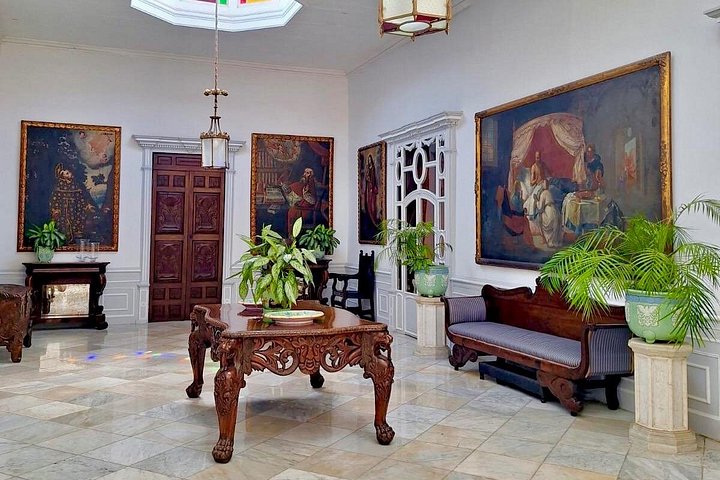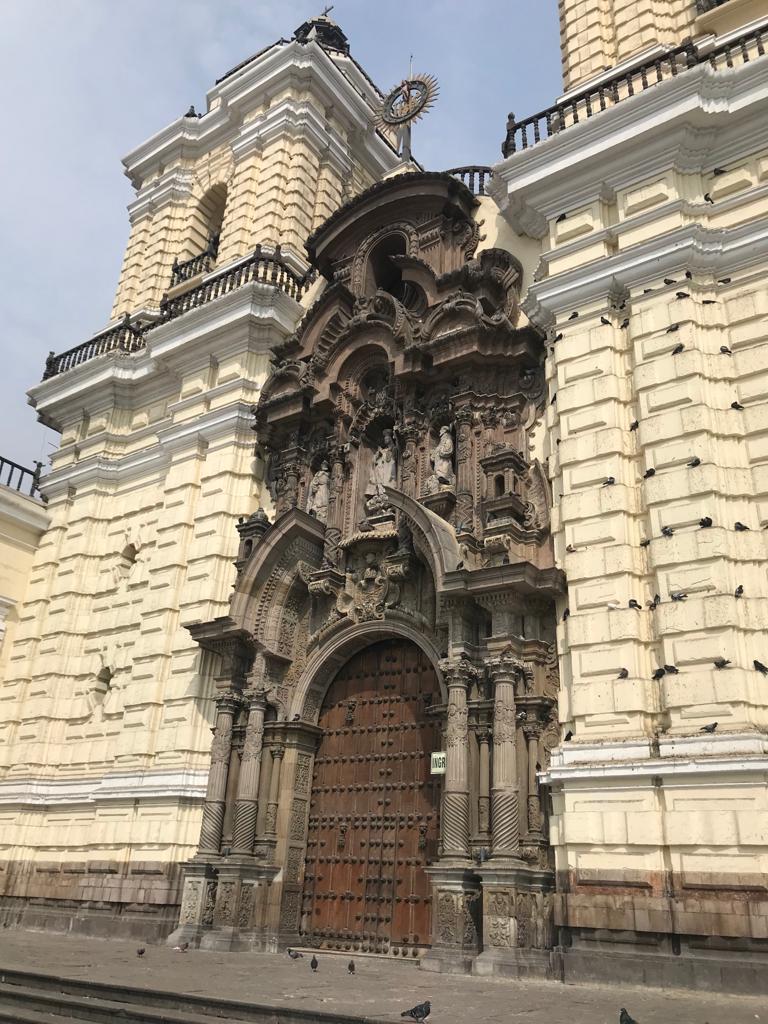
The Cathedral of Lima stands on the north-east side of the Plaza Mayor, on the spot where Francisco Pizarro marked out the city in 1535. The present building dates mostly from the seventeenth and eighteenth centuries, rebuilt after earthquakes, and inside you find a long nave, richly carved wooden choir stalls, side chapels in different styles and silver-covered altars. The most visited chapel holds a tomb traditionally identified as Pizarro's, and a museum attached to the cathedral displays colonial paintings, gold and silver church objects, vestments and sculpture. A ticket covers the interior and the museum, and it is a good way to see the grandest colonial room in the city without hurry. The cathedral anchors a walk around the historic centre and sits within easy reach of the convent, balconied mansions and the presidential palace.
Why it matters
Lima was the capital of Spain's South American empire, and the cathedral shows the wealth and artistry that flowed through it. The carved choir, the paintings and the church silver tell the story of a city where Spanish, indigenous and mestizo craftsmen worked side by side. Standing in the nave, you can read the history of Lima in its architecture: baroque flourishes, repairs after earthquakes and later neoclassical touches.
How to do it
Arrive early in the day, when it is quieter, and combine the cathedral with a walk across the Plaza Mayor. Dress respectfully, since this is a working church, with shoulders and knees covered. Audio or printed guides may be offered, and a guided tour adds context to the paintings and chapels. Check opening hours for your day when you book, as they can change on religious holidays and Sundays.
Good to know
Photography rules vary by area, and inside chapels flash is usually discouraged. The plaza outside is busy, so keep bags close, and hold your ticket as you move between the church and the museum. The interior is cool, which is welcome in summer, and a light layer helps in winter. Some areas have steps, so accessibility varies, and it is worth asking staff at the entrance.
Making the most of it
Pair the cathedral with the San Francisco Convent and its catacombs, the Casa Aliaga mansion and a pisco tasting for a full historic-centre day. Look for the choir stalls and the side chapels first, then spend longer in the museum if you like paintings. History lovers can stay for the changing of the guard at the nearby palace, a free show that is popular with visitors. The cathedral is a quiet contrast to the street life outside, and a good place to rest.
What to expect
The experience
A self-paced visit to the cathedral nave, chapels and attached museum of religious art on the Plaza Mayor.
Best time
Early in the day, before tour groups arrive.
How long
1 to 1.5 hours
Tips
Dress modestly, check opening hours, keep bags close on the plaza and ask about the audio guide.
Quick picks
- Best for
- History and art lovers visiting the historic centre.
- Families
- Fine for older children interested in history, but quiet manners are expected.
- Couples
- A calm, atmospheric stop on a day in the centre.
- Pair with
- The San Francisco Convent, Casa Aliaga and the Plaza Mayor.
- Time needed
- Allow about an hour.
Good questions
Where is the cathedral?+
On the Plaza Mayor in the historic centre of Lima.
Does the ticket include the museum?+
The ticket is for the cathedral and its museum; confirm the inclusions when you book.
Is there a dress code?+
Yes. Cover shoulders and knees, as it is a working church.
Is the cathedral open every day?+
Hours vary, especially on Sundays and religious holidays, so check when you book.
Can I take photos?+
Often yes, but flash is usually discouraged inside, and some areas are restricted.