The Mosaic Templars Cultural Center tells the story of African American life, business and community in Arkansas from the nineteenth century to today. The museum stands on West Ninth Street, once the heart of a thriving Black commercial district known as the Ninth Street corridor, where doctors, lawyers, merchants, newspapers and entertainers served a self-sustaining community. The building itself commemorates the Mosaic Templars of America, a Black fraternal and benevolent society founded in Little Rock in 1883 that grew to a national organization offering insurance, burial benefits and community leadership. Its original headquarters was a landmark of the neighborhood, and the museum rebuilt on the site after a fire. Exhibits cover the Templars and other Black businesses, music and nightlife on Ninth Street, civil rights history, education and the political struggles of the Jim Crow era, with photographs, documents and artifacts that tell personal stories. The center also hosts rotating art shows, lectures and events focused on Black history and culture, and is part of the Arkansas state parks and heritage system. For many visitors the museum fills in a missing chapter, because the national story of civil rights often focuses on a few famous moments, while this museum shows the broader texture of Black enterprise and resilience in the state.
Plan about ninety minutes, more if you like to read every panel. The exhibits flow logically from the founding of the Mosaic Templars through the commercial heyday of Ninth Street, the effects of segregation and urban renewal, and the modern legacy of the neighborhood. The museum tends to be quiet, so you can take your time and speak with staff who know the collection well.
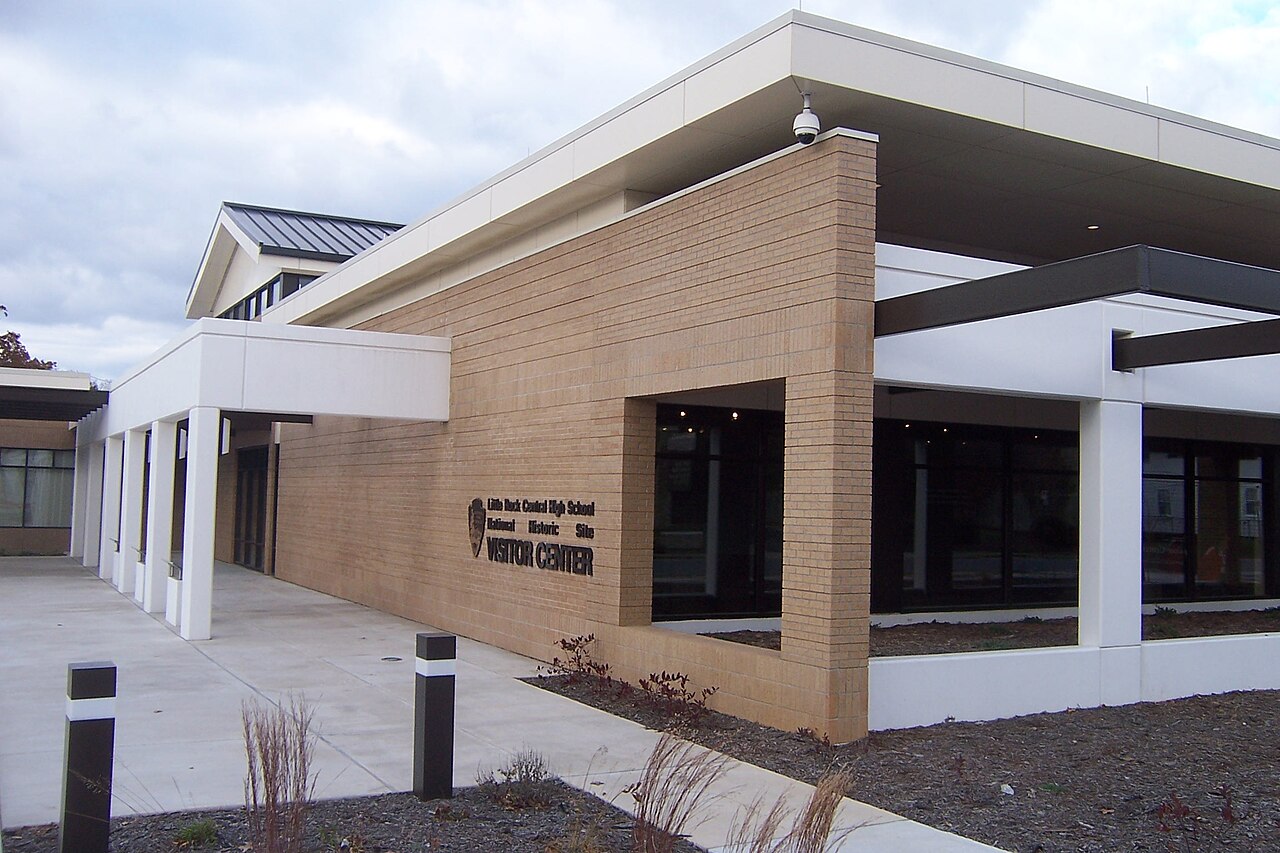
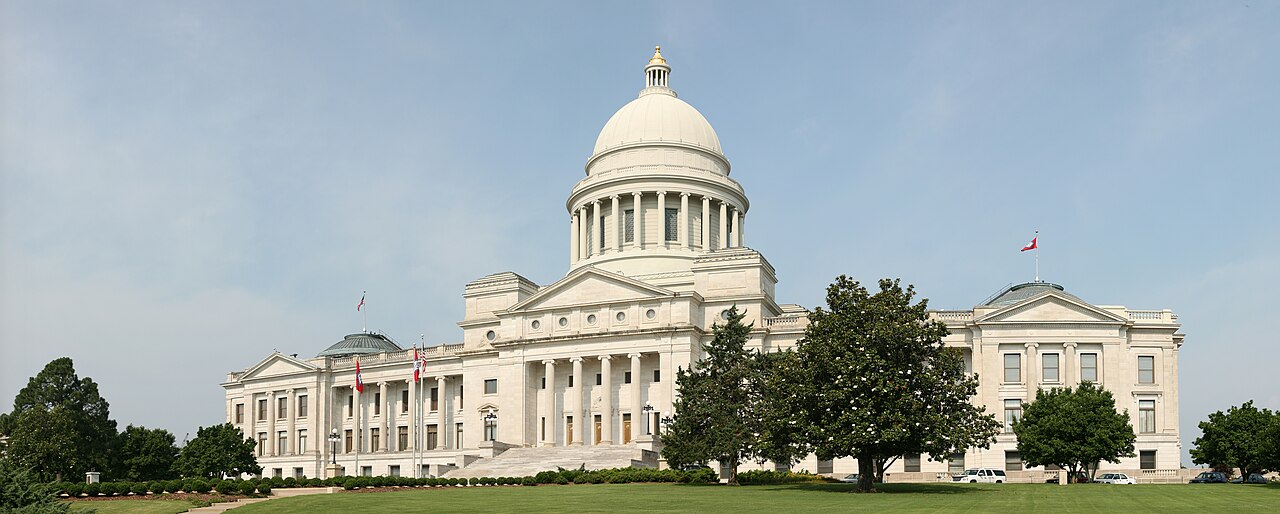
The center works well in a day that also includes Little Rock Central High School National Historic Site and the Little Rock Nine Memorial at the State Capitol. Together they offer a thorough view of Black history in the city, from business and community life to the fight for school integration. The neighborhood around the museum has changed over the decades, and a walk along Ninth Street, with the historic markers and public art, shows what remains and what has been lost.
Check the museum website for current hours, admission, special exhibits and programs. Some events, including lectures and cultural celebrations, can enrich a visit if your dates align. Parking is available near the building, and it is a short drive from downtown hotels and the River Market. Honest limits: the museum is compact, and the focus is historical rather than interactive. It rewards visitors who come curious and willing to read.
Consider timing your visit around a special program. The center hosts talks, film screenings, art exhibitions and cultural celebrations that bring the history to life, and some events feature local historians and descendants of Ninth Street families. The gift shop carries books on Black history in Arkansas and works by regional artists.
The building is fully accessible, and staff are generous with their time. If you are building a themed itinerary, it makes sense to start here for the economic and community story, then move to Central High and the Capitol for the legal and political struggle, ending with reflection on how the city has changed since.
What to expect
The experience
A history museum with exhibits on the Mosaic Templars of America, Ninth Street's Black business district, civil rights and Black culture in Arkansas.
Best time
A weekday morning, paired with Central High and the State Capitol in one civil rights day.
How long
About ninety minutes.
Tips
Check the website for hours, admission and event schedules. Combine with Central High and the Capitol memorial.
Quick picks
- Best for
- History-minded travelers and anyone building a civil rights itinerary.
- Families
- Suitable for school-age children with context; exhibits are text-based.
- Couples
- A reflective cultural stop.
- Pair with
- Central High National Historic Site and the Capitol memorial.
- Time needed
- About ninety minutes.
Good questions
Who were the Mosaic Templars?+
A Black fraternal and benevolent society founded in Little Rock in 1883 that offered insurance, burial benefits and community leadership.
What was West Ninth Street?+
A Black commercial and entertainment district that served as the center of community life in Little Rock.
Is the building original?+
The museum rebuilt on the historic site after a fire.
Is it a state-run site?+
Yes, it is part of the Arkansas state parks and heritage system.
What should I pair it with?+
Little Rock Central High and the Little Rock Nine Memorial at the State Capitol.