Little Rock has four distinct seasons, and the best time to visit depends on what you want to do. Museums and history sites work year-round, but hiking, cycling and patio dining depend on the weather. This guide explains what to expect in each season and how to plan around heat, rain and events.
Spring
Spring is widely considered the best season. From March through May, temperatures are mild, trees and gardens bloom and the river trails are at their prettiest. It is ideal for the Big Dam Bridge, Pinnacle Mountain and the Quapaw Quarter's historic homes, and spring tours of private houses draw visitors who like architecture. Spring can bring storms and heavy rain, so pack a light rain jacket and keep a flexible schedule. Hotels fill on weekends with festivals and graduations, so book early.
Summer
Summers are hot and humid, with long stretches of high temperatures. Plan outdoor activities for early morning or evening, and use the middle of the day for indoor sights such as the Clinton Presidential Center, the Museum of Discovery and the museums downtown. Summer is a good time for the zoo in the cooler morning hours, and for the river, where a breeze helps. Hydration and sun protection matter, particularly on the Pinnacle Mountain summit trails, which are exposed. Summer hotel rates can be attractive outside event weekends.
Fall
Fall rivals spring for comfort. From late September through November, temperatures ease, humidity drops and the foliage turns, especially in the hills near Petit Jean State Park. It is an excellent time to hike, cycle and sit outside in the River Market. Football weekends and fall festivals can raise hotel demand, so check the calendar, and lodges in state parks fill early for peak color. Weather is generally dry and sunny, with the occasional cold front.
Winter
Winter is the quietest season. Days can be chilly, with occasional freezing rain or snow, but many days are mild enough for walking and museums. Crowds thin, and hotel rates are often lowest. Holiday lights and seasonal events brighten December, and indoor attractions are comfortable. Some outdoor sites may reduce hours or close during bad weather, so check before traveling, and be ready for the occasional ice storm that can disrupt driving.
Weather risks
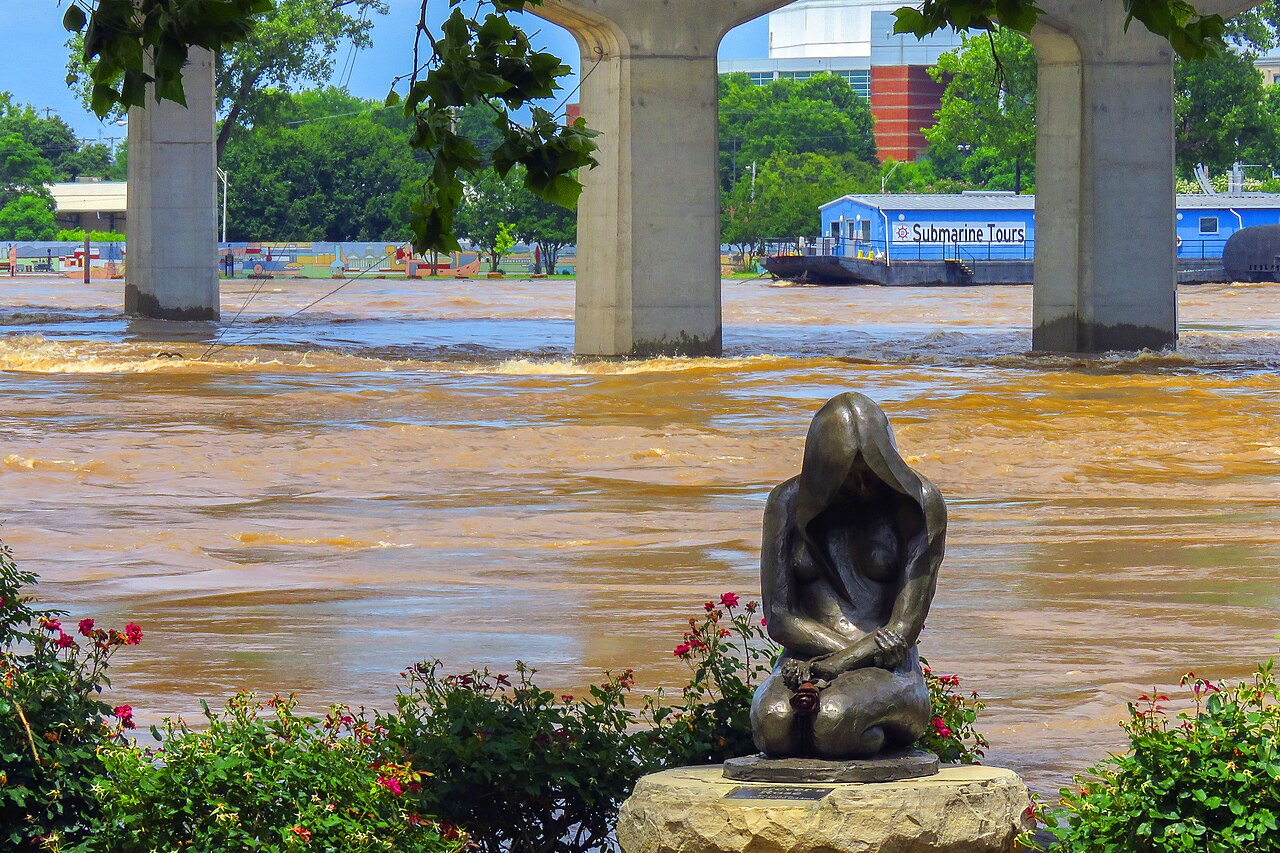
Arkansas can see severe thunderstorms and, occasionally, tornadoes in spring and early summer. Keep an eye on forecasts, know the shelter plan at your hotel and avoid hiking during storm warnings. High river levels after heavy rain can close low-lying trails. Heat advisories are a real consideration in July and August.
Events and crowds
The calendar shapes the trip. Conventions at the Statehouse Convention Center, football weekends, festivals and legislative sessions can fill hotels and restaurants. Quiet weeks can feel almost empty in the museums, which suits travelers who prefer solitude. Check event listings for your dates, and book accommodations early for popular periods.
Our pick
If you can choose, aim for late April, May, late September or October. You will get mild weather, comfortable hiking and lively patios. If you must visit in summer, plan around the heat, and if you come in winter, enjoy the indoor attractions and the lower prices. Whatever the season, check each site's hours before you go and bring layers, since Arkansas weather can change quickly.
Packing and practical advice
Bring layers in every season except midsummer. A light jacket handles cool mornings in spring and fall, and a compact umbrella is useful year-round. In summer, pack a hat, sunscreen, a refillable water bottle and breathable clothing, and expect air-conditioned interiors to feel cold by comparison. In winter, carry a warm coat and shoes with grip for icy mornings. Comfortable walking shoes matter in every season, because downtown, the riverfront and the historic districts are best seen on foot.
Month by month in brief
March and April bring the first warm days and blooming trees. May is lush, busy and mostly pleasant. June warms up quickly, and July and August are the hottest and most humid stretch. September stays warm but eases late in the month. October is often the most comfortable and the most colorful. The late autumn and winter months bring cool evenings, shorter days and the lowest crowds, which suits museum-focused trips and travelers who like quiet.