Few American cities carry as much civil rights history in so small an area as Little Rock. In 1957, nine Black students tried to attend Central High School, and the crisis that followed drew the attention of the nation and the president. That story is the best-known chapter, but it is not the whole of it. This one-day route links the school, the Capitol, a museum of Black enterprise and several downtown sites that show the longer arc of the struggle and the community that sustained it.
Start at Central High
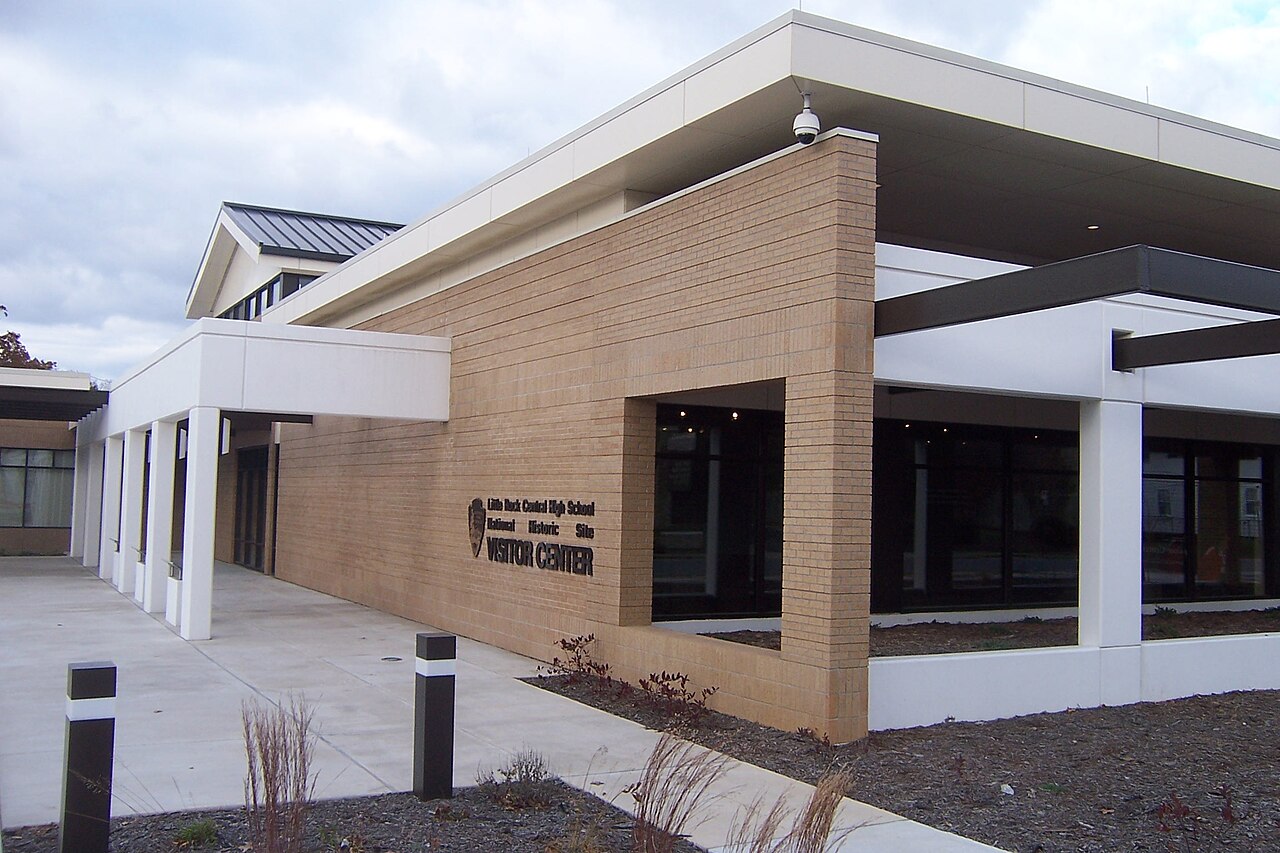
Begin the day at Little Rock Central High School National Historic Site, ideally in the morning, when the neighborhood is calm. The visitor center, in a restored former gas station across the street, is free and gives a clear account of the events of 1957, with photographs, film and oral histories. Allow at least ninety minutes. Step outside to the sidewalk and look at the front of the school, which is still a working high school, and remember to be respectful of students and staff. If ranger-led tours of the interior are offered, book them in advance through the National Park Service.
The Capitol and the Little Rock Nine Memorial
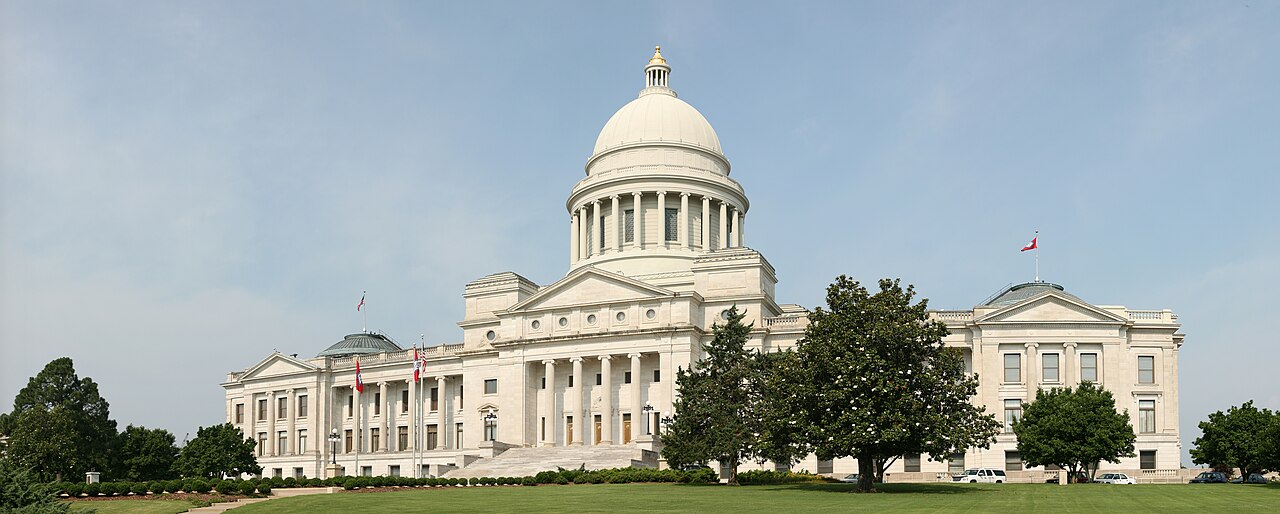
From Central High, drive to the Arkansas State Capitol. The memorial on the lawn, a group of bronze figures honoring the nine students, is the emotional center of the route. Stand among the figures and read the plaques. Then take the free tour of the Capitol itself, where the portraits and displays show how state government has changed. Bring photo identification for the security check, and check the visiting hours on a weekday.
West Ninth Street and the Mosaic Templars
After lunch, visit the Mosaic Templars Cultural Center, which tells the story of Black business, community life and culture in Arkansas. West Ninth Street was once a thriving commercial district, with doctors, lawyers, shops, newspapers and entertainers serving a self-sufficient community. The museum explains how the Mosaic Templars of America, founded in Little Rock in 1883, built an insurance and fraternal organization that supported Black families, and how segregation and urban renewal reshaped the neighborhood. It is a quieter, more reflective stop that deepens the context of the crisis at Central High.
Downtown context
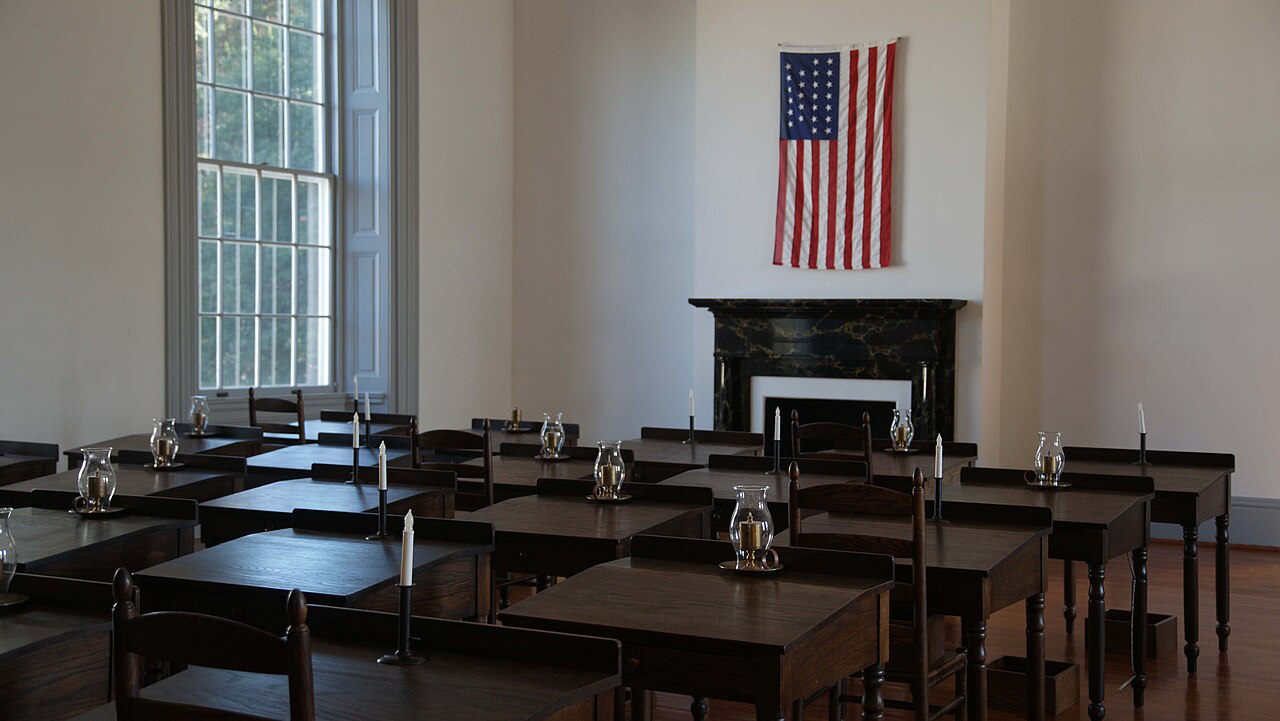
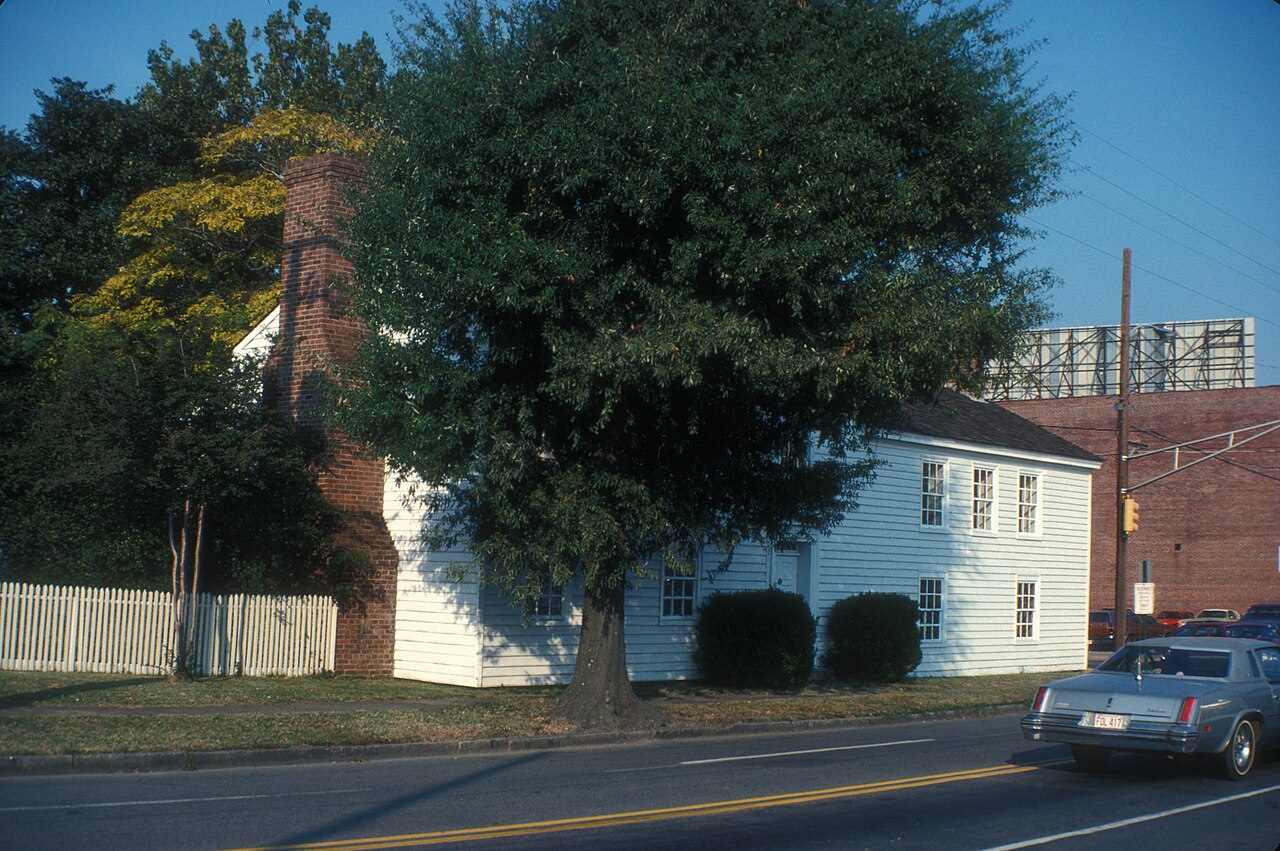
To round out the day, stop at the Old State House Museum, where exhibits address slavery, secession, Reconstruction and the long history of Arkansas politics, or the Historic Arkansas Museum, which presents the early city and its people. These sites place the civil rights era in a longer story, and they are free or low cost. If you have time and energy, a walk along the riverfront to the Clinton Presidential Center gives another perspective on the state's national role.
Visiting with respect
These are living places. Central High is an active school, so do not photograph students, keep voices low and stay on public sidewalks. At the memorial and in the museums, give people space to read and reflect. If you travel with children, prepare them in advance and be ready to answer questions. Teenagers often find the stories especially powerful.
Practical notes
The route works best with a car, because the sites are spread across the city, though rideshares are plentiful. Check each site's hours before you go, since schedules vary and some close one or two days a week. Wear comfortable shoes, carry water in summer and allow a long lunch, as the day can be emotionally demanding. Consider reading a short history or watching a documentary beforehand. Many visitors say the trail changes how they understand the city, and that is the point.
Extending the trail
If you have a second day, add the Daisy Bates House, the former home of the NAACP leader who guided the Little Rock Nine, and look for other markers around the city. Reading before you go helps: the memoirs and histories written by the students themselves are widely available and make the places feel personal. Ask the park rangers for suggestions, as they are often glad to point visitors toward lesser-known sites. Whatever you choose, leave time at the end of the day to sit quietly and absorb what you have seen.
Questions for conversation
The sites invite discussion, especially with teenagers. How did ordinary people, not only leaders, shape the outcome? What did the closure of the city's high schools in the year after the crisis cost the community? How does a place like West Ninth Street show what segregation took away as well as what it imposed? Talking these over at lunch turns a sequence of stops into a shared understanding.