Western Approaches is one of the most atmospheric history sights in Liverpool and one of the least known to first-time visitors. Beneath an unremarkable office block called Derby House, close to the Town Hall and Exchange Flags, lies the bomb-proof bunker from which the Royal Navy and its allies ran the Battle of the Atlantic. In 1941 the command moved to Liverpool from Plymouth because the city was the main western port for convoys carrying food, fuel and troops across the ocean, and the bunker became the nerve centre for protecting them from U-boat attack. The great hall of the Operations Room still has the enormous wall map of the Atlantic on which the position of every convoy and escort was plotted, and you can picture the Wrens and naval officers moving markers, passing messages and making decisions that cost or saved thousands of lives. Around it are the offices, the communications rooms and the quarters where the staff worked in shifts, kept much as they were in the 1940s. It is a story told through places rather than glass cases, and the thick concrete walls and low ceilings make the pressure of the war feel real.
How to visit
Derby House is on Rumford Street, a few minutes’ walk from the Town Hall, the Cavern Quarter and Moorfields station, and about ten minutes from Liverpool ONE and the Pier Head. The visit is a self-guided walk through the bunker, so you can go at your own pace and read or listen as long as you like.
The museum does not open every day of the week, so check the days and hours when you book, and arrive with a little time in hand. The tour involves steps and narrow corridors in places, as you would expect in a bunker, so ask the museum about access if you use a wheelchair or find stairs difficult.
What to expect
Most visitors spend about an hour and a half here, and enthusiasts can happily stay longer. The route follows the working life of the command, from the entrance and corridors to the plotting room, the offices of the commanders and the rooms used by the Wrens and other staff. The story is told with original equipment, maps, documents and recreated scenes, and the Operations Room is the highlight.
The space is underground and cool all year, so bring a layer even in summer, and it is a good choice on a wet day. Younger children may find it long, but older children who like history or films about the war often love it.
Making the most of it
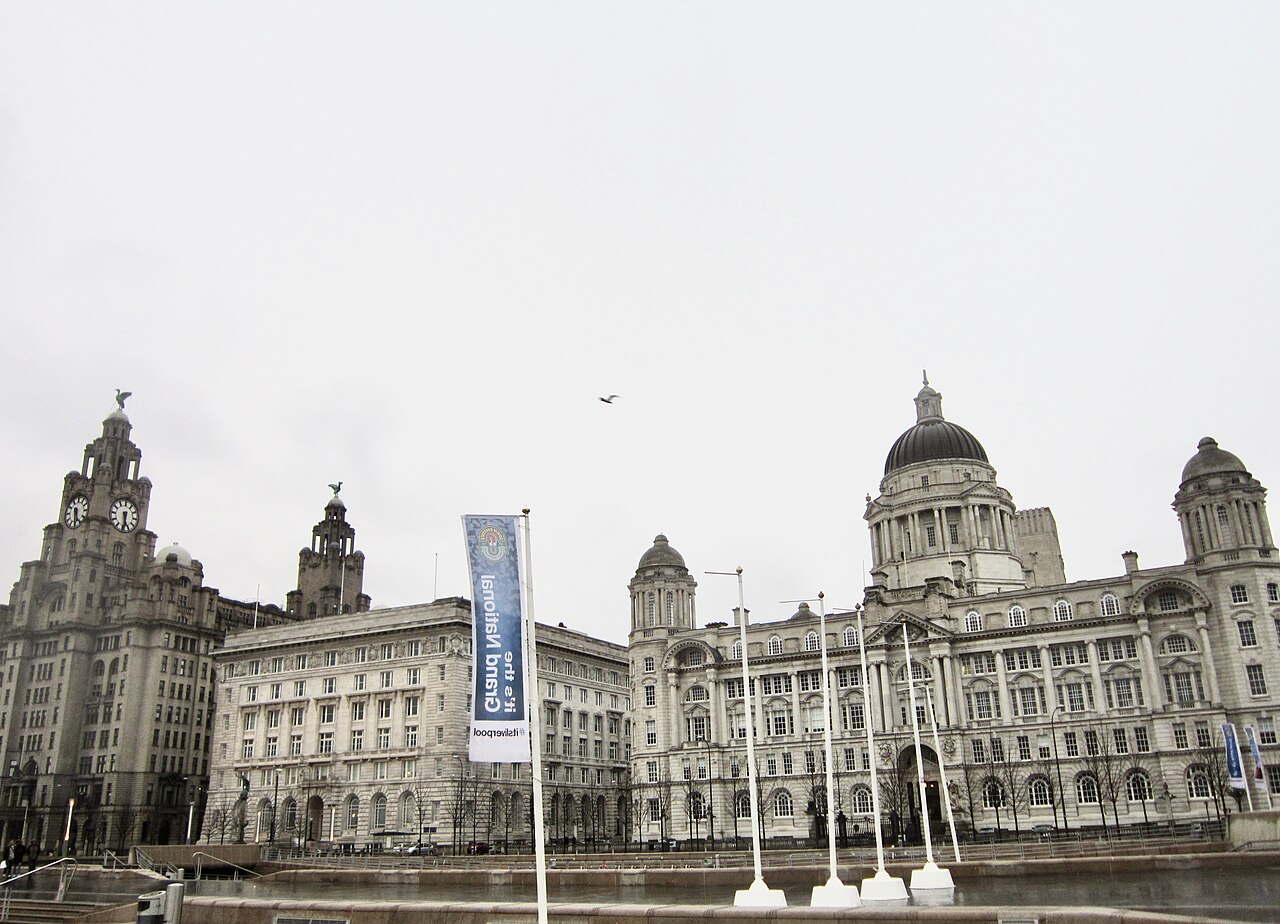
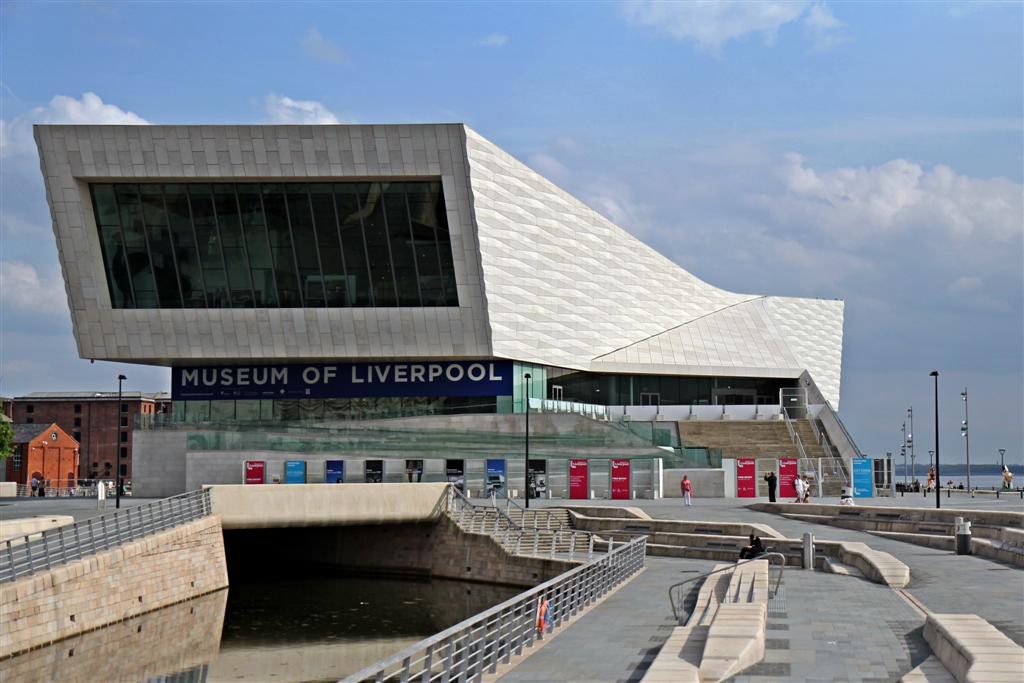
Begin with a few minutes on the wall map, because understanding how convoys crossed the Atlantic makes the rest of the bunker click into place. Combine the visit with the free Museum of Liverpool, which tells the wider story of the city in wartime, and with a walk to the Pier Head, where the Liver Building and the Cunard Building recall the great shipping lines that made Liverpool a target and a lifeline. If you only have time for one wartime sight in the city, this is the one to choose.
What to expect
The experience
A self-guided walk through the preserved underground bunker where the Battle of the Atlantic was run, including the Operations Room and its giant wall map.
Best time
A weekday morning, which is usually quieter, or any wet afternoon when you want something indoors.
How long
About ninety minutes, or longer if you like to read every display.
Tips
Check the opening days when you book, wear comfortable shoes for the steps and narrow corridors, and bring a layer because the bunker is cool.
Quick picks
- Best for
- History fans and anyone who wants to understand why Liverpool mattered so much in the Second World War.
- Families
- Best for older children and teenagers who enjoy history. Very young children may find the visit long.
- Couples
- A fascinating, atmospheric hour or two that makes a change from the usual waterfront sights.
- Pair with
- The Museum of Liverpool and a walk through the Pier Head and the Three Graces.
- Time needed
- Ninety minutes to two hours.
Good questions
What is Western Approaches in Liverpool?+
It is the preserved underground bunker in Derby House where the Battle of the Atlantic was directed in the Second World War. Visitors can see the Operations Room, the wall map and the staff offices.
How long does a visit to Western Approaches take?+
Most people spend about ninety minutes in the bunker. History enthusiasts often stay for two hours or more.
Is Western Approaches self-guided?+
Yes, the visit is a self-guided walk through the bunker, so you can move at your own pace. Check the museum for any extra talks or events on the day you go.
Is Western Approaches suitable for children?+
It suits older children and teenagers who like history. Very young children may find it long, and the bunker has steps and narrow corridors.
Where is the Western Approaches Museum?+
It is in Derby House on Rumford Street, a few minutes’ walk from the Town Hall and Moorfields station. The Pier Head is about ten minutes away on foot.