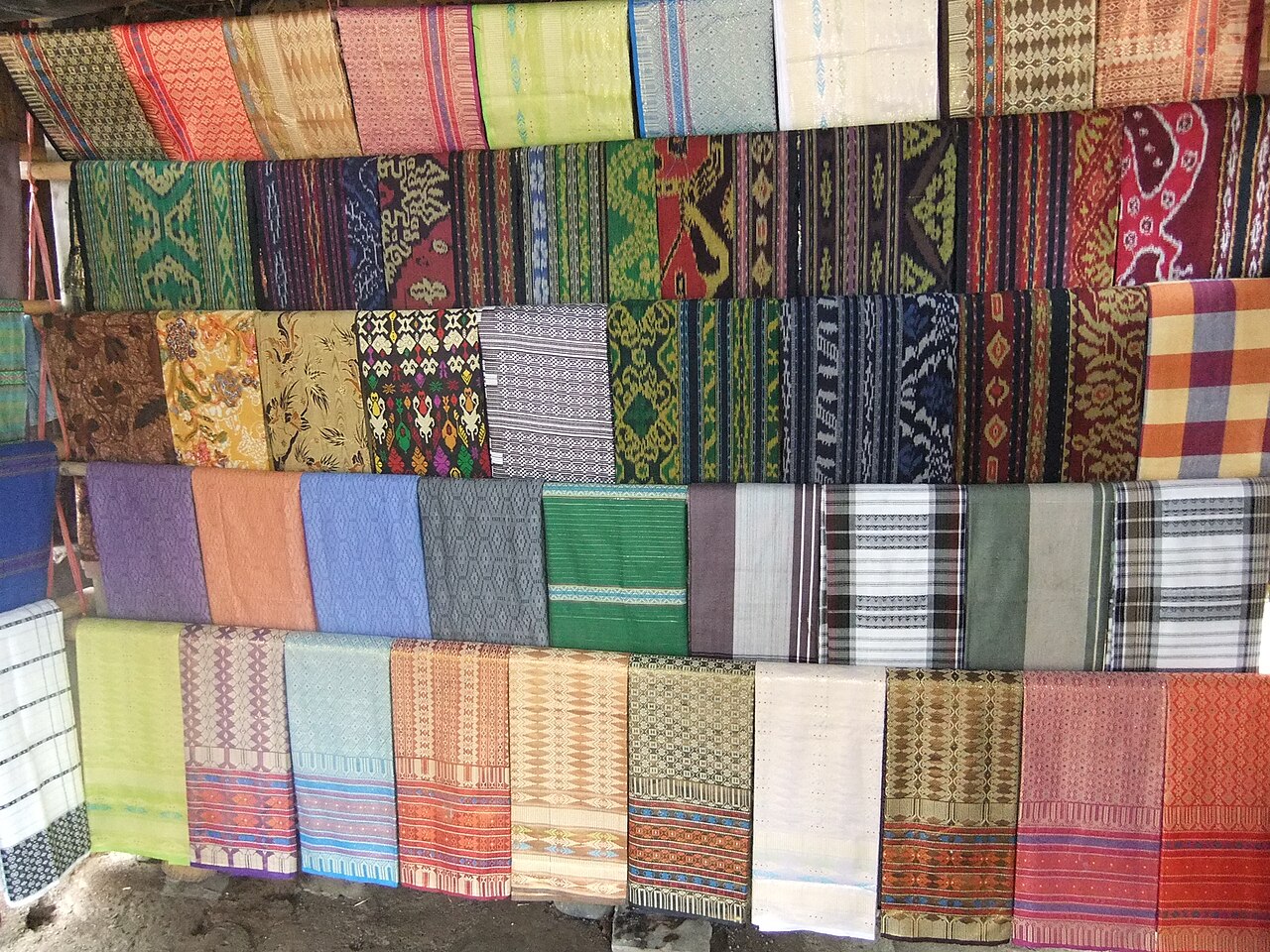
The Sasak are the indigenous people of Lombok, and Sade, in the village of Rembitan, is the best-known place to meet them. Indonesia's tourism board describes it as a hamlet of around 150 homes, most of them traditional, with grass-thatched roofs that must be replaced every eight years and packed-earth floors that are periodically coated with buffalo or cow dung to prevent cracking and dust. About 750 Sasak people live here, and the village is laid out on a terraced slope, with a high point that gives a view over the whole settlement. Guides in traditional dress meet visitors at the entrance, with around fifty guides taking turns to show people around. Women weave in front of the houses, since Sasak women traditionally learn to weave before they marry, and handwoven shawls and souvenirs are sold at kiosks inside the village, with proceeds shared through a cooperative. Sade sits on the Praya to Kuta road, about 25 minutes from Lombok International Airport.
How to visit
Most people stop at Sade on the way between the airport and the south coast, or combine it with a beach day at Kuta. A guide leads you through the lanes, explains the layout of the houses, the granaries and the meeting places, and describes marriage customs, farming and weaving. A visit takes about an hour, and wearing comfortable shoes helps because the lanes climb.
Be respectful
This is a living community, not a museum. Ask before photographing people, dress modestly, and follow your guide's advice about which buildings can be entered. Expect to be invited to buy textiles, and bargain politely, since first prices are usually negotiable. The tourism page does not list a fixed entrance fee, so ask at the gate about the current donation and plan to tip your guide.
Context
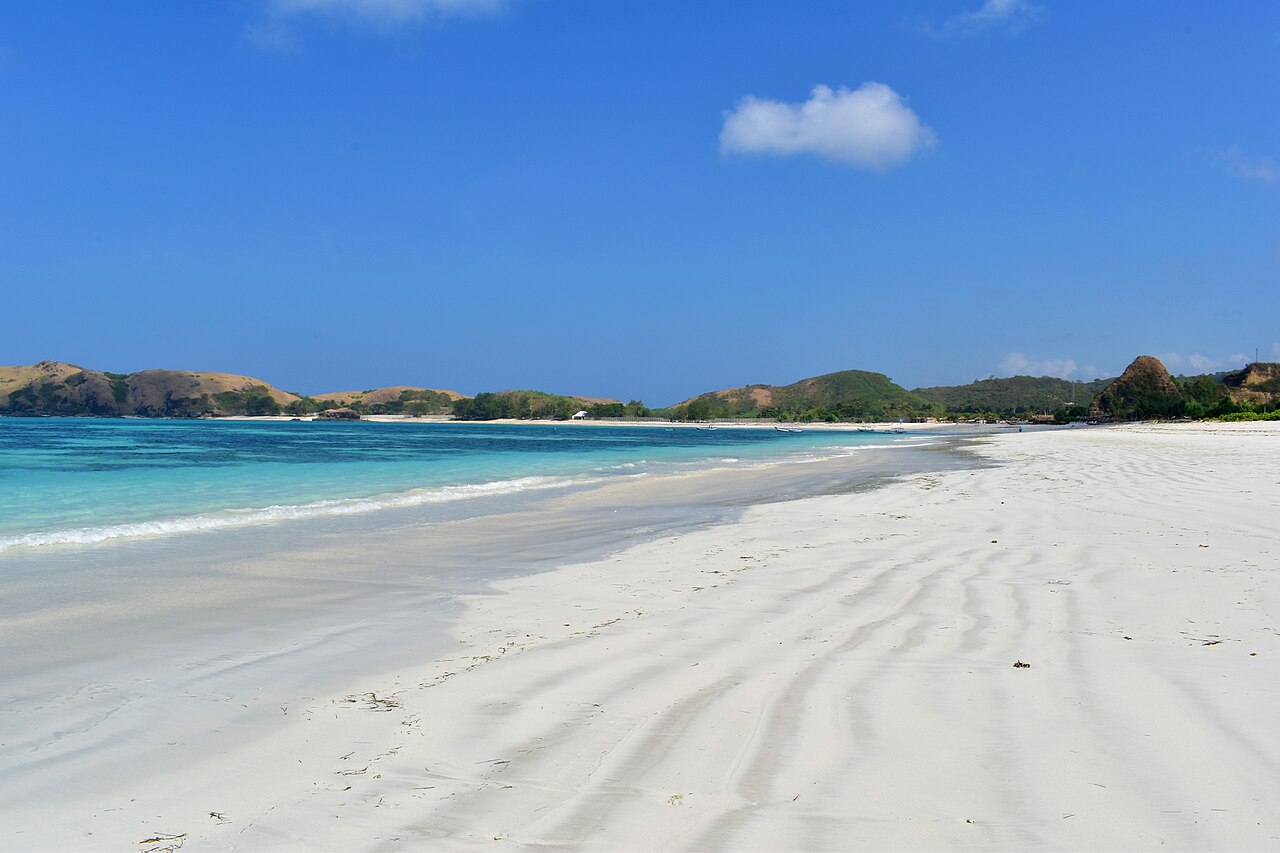
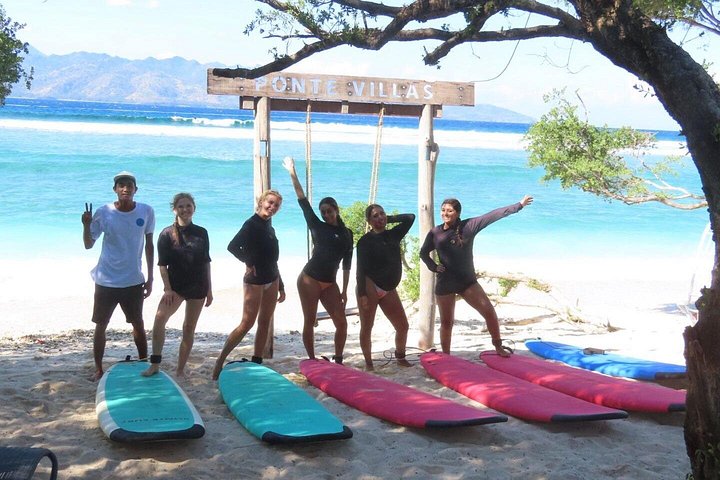
Sade is popular, and midday can be hot and busy with tour groups. Arrive early for a quieter visit and better light. If you want more depth, other Sasak villages, such as those in the Senaru area, offer a different perspective. A visit to Sade fits naturally with the Kuta and Tanjung Aan beaches, a surf lesson at Selong Belanak or a drive to the south coast.
What to expect
The experience
A guided walk through a working Sasak village led by a local guide in traditional dress, with weaving demonstrations and a chance to buy textiles.
Best time
Early morning for cooler weather, softer light and smaller crowds.
How long
About one hour, plus time to browse the weaving kiosks.
Tips
Wear comfortable shoes for the sloping lanes, dress modestly, ask before photographing people, and ask at the gate about the current donation.
Quick picks
- Best for
- Travelers who want a quick, genuine introduction to Sasak culture on the way south.
- Families
- Children enjoy the thatched houses and the weaving, but keep them close on the sloping lanes.
- Couples
- A cultural stop that pairs well with a beach afternoon in Kuta.
- Pair with
- Kuta and Tanjung Aan beaches, a surf lesson at Selong Belanak or the airport run.
- Time needed
- About one hour.
Good questions
Where is Sade village?+
Sade is a hamlet in Rembitan village in Central Lombok, on the Praya to Kuta road, about 25 minutes from Lombok International Airport.
How many people live there?+
Indonesia's tourism board says about 750 Sasak people live in Sade, in around 150 homes that are mostly traditional.
What are the houses made of?+
Traditional roofs are made of thatched grass that must be replaced every eight years, and the floors are packed earth, periodically coated with buffalo or cow dung to prevent cracks and dust.
Is there an entrance fee?+
The tourism page does not list a fixed fee, so ask at the gate about the current donation. Tipping your guide is customary.
Can I buy textiles?+
Yes, handwoven shawls and souvenirs are sold at kiosks inside the village, and the sales are shared through a cooperative. Bargaining politely is normal.