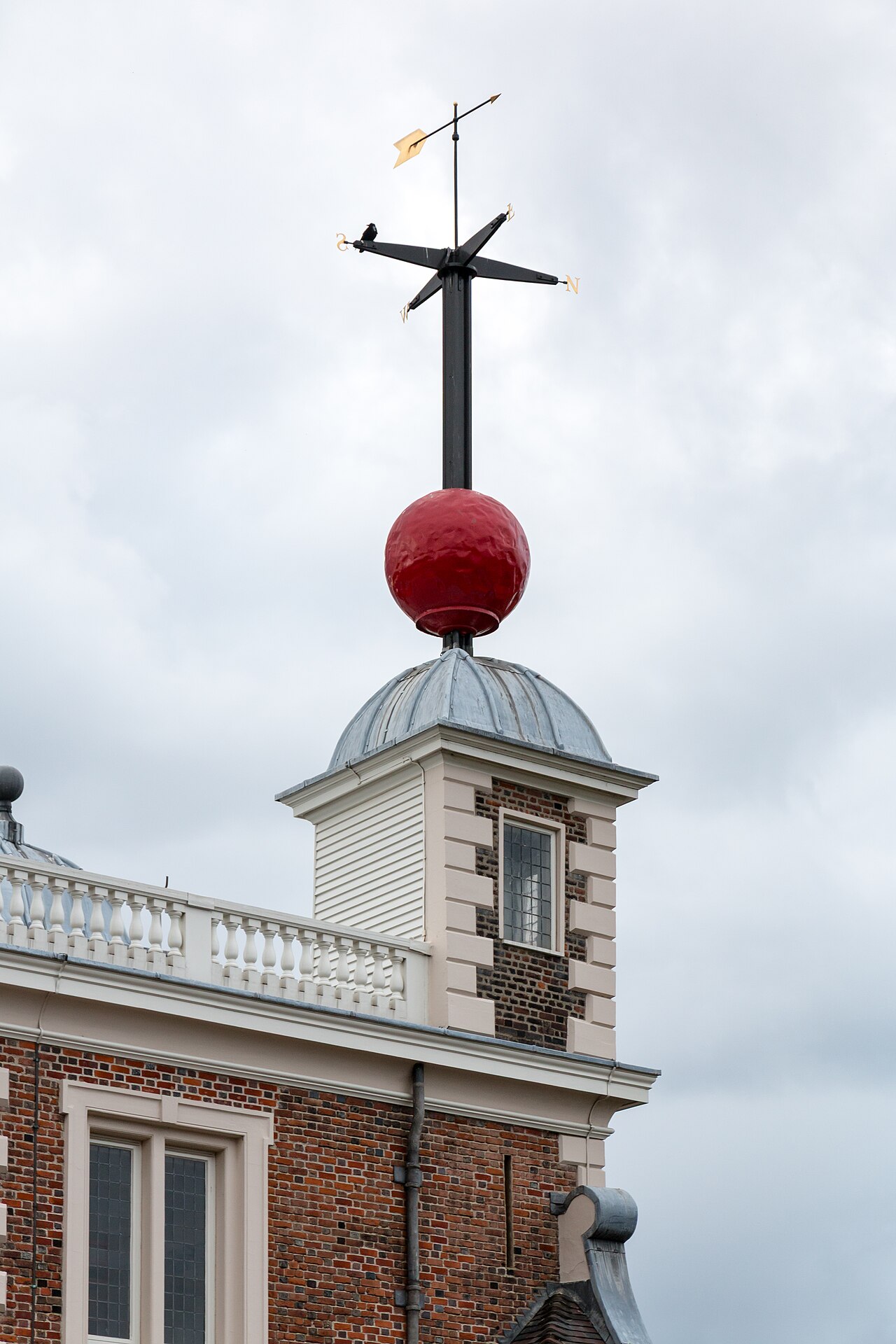
The Royal Observatory sits on the hill in Greenwich Park, and it is the place where the world's time and longitude were organised. Founded in the seventeenth century to help sailors find their position at sea, it is home to the Prime Meridian, the line of zero longitude, which is marked on the ground in the courtyard so that visitors can stand with one foot in each hemisphere and have their photograph taken. The standard entry ticket takes in the Meridian Line, Flamsteed House, the galleries and the Altazimuth Pavilion, and the Great Equatorial Telescope within the Astronomy Centre. The chronometers of John Harrison, the clockmaker who solved the longitude problem, are among the most absorbing objects in the collection, and the Camera Obscura projects a live image of the surroundings onto a table in a darkened room. The setting adds to the experience: the view from the terrace across Greenwich Park to the Queen's House, the Old Royal Naval College and the towers of Canary Wharf is one of the best in London.
The venue is open daily with last entry in the late afternoon, and the booking page shows a last entry of 16:15, so build the visit around that. Talks and shows run through the day, so check the schedule on arrival. The Peter Harrison Planetarium needs a separate ticket, and some options have been shown as temporarily unavailable, so look at the current listing for your date.
Children under four enter free but need a free ticket selected. Online tickets are cheaper than buying on the day, and the audio guide is a downloadable English-language one.
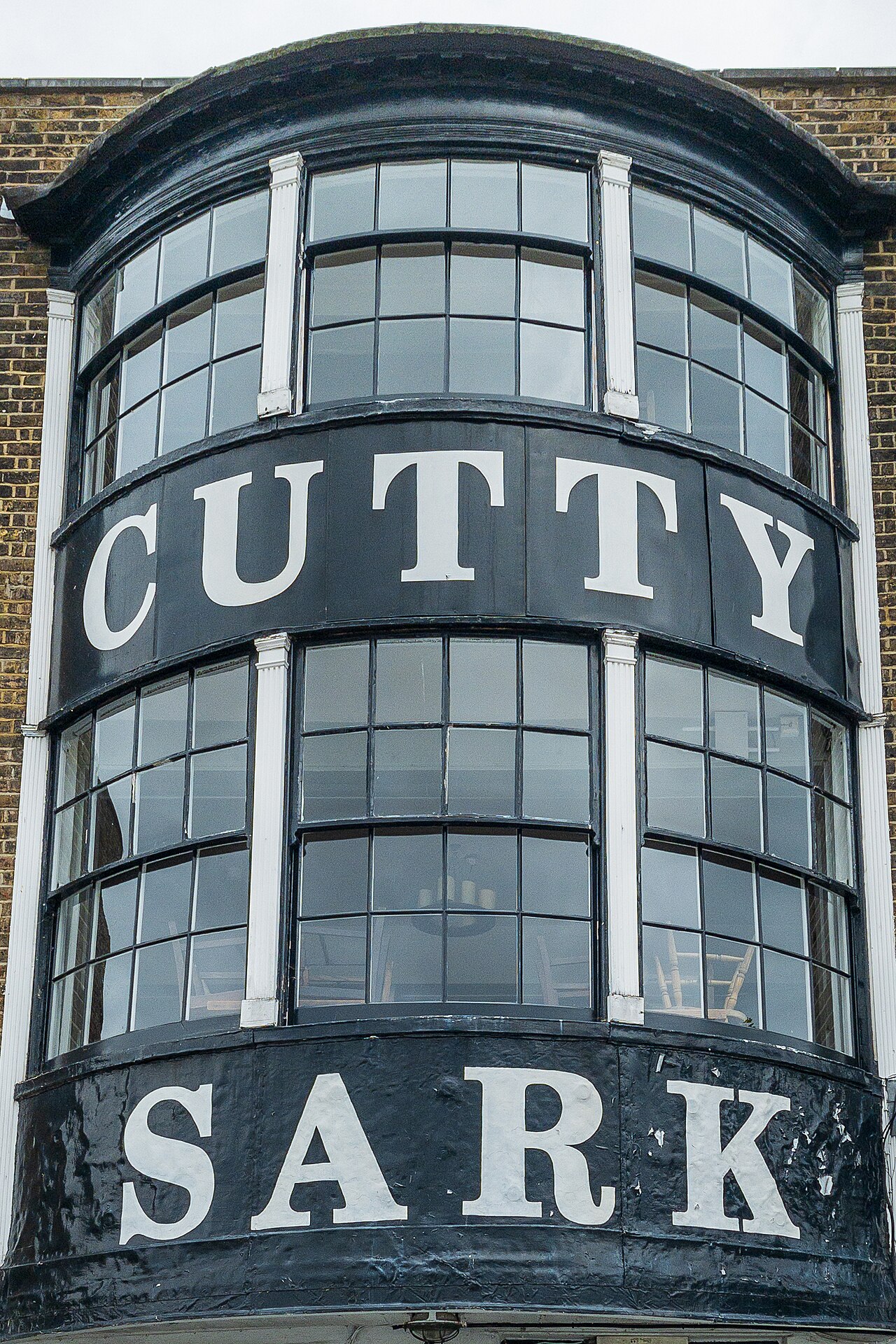
Getting there is part of the day. The Observatory is about a twenty-minute walk from Greenwich DLR and rail and from the Cutty Sark stop, and the route up through the park is steep in places. There is an Astronomy Cafe and terrace on site for refreshment. The neighbouring National Maritime Museum and Queen's House are free to enter, so a combined day is excellent value. The Cutty Sark ticket pairs well with this one, and joint tickets are sold.
For most visitors the best sequence is to arrive at Greenwich by river, see the Cutty Sark, wander through the market, climb the hill to the Observatory for the meridian and the view, and then drift back through the park to the free museums. The honest note is that the interpretation is better suited to adults and older children than to toddlers, and the line for the meridian photograph can build up in good weather.
Go early or late for the fastest queues. It is a rewarding stop for anyone interested in science, navigation or the history of time, and the view alone justifies the climb.
What to expect
The experience
A self-guided visit to the historic observatory buildings, the Prime Meridian line, the Harrison timekeepers, the Great Equatorial Telescope and the Camera Obscura.
Best time
Early in the day or late afternoon to avoid the queue for the meridian photograph. Last entry is in the late afternoon.
How long
About one and a half to two hours.
Tips
Buy online in advance, allow time for the uphill walk through Greenwich Park, and check the talks schedule. The planetarium is a separate ticket.
Quick picks
- Best for
- Science and history lovers, and anyone who wants to stand on the Prime Meridian.
- Families
- Good for school-age children who like science; the meridian photograph is a hit.
- Couples
- A scenic hillside stop with one of the best views in London.
- Pair with
- Cutty Sark, the free National Maritime Museum and Queen's House.
- Time needed
- Two hours, or a half day with Greenwich.
Good questions
Where is the Royal Observatory?+
On Blackheath Avenue, SE10 8XJ, in Greenwich Park, about a twenty-minute walk uphill from the Cutty Sark DLR stop.
What does the standard ticket include?+
The Meridian Line, Flamsteed House, Harrison's timekeepers, the Camera Obscura, the Great Equatorial Telescope and Astronomy Centre, and the galleries.
Is the planetarium included?+
No, the Peter Harrison Planetarium needs a separate ticket.
When is last entry?+
The booking page shows last entry at 16:15, with the site open daily during the day.
Are the nearby museums free?+
Yes, the National Maritime Museum and the Queen's House are free to visit.