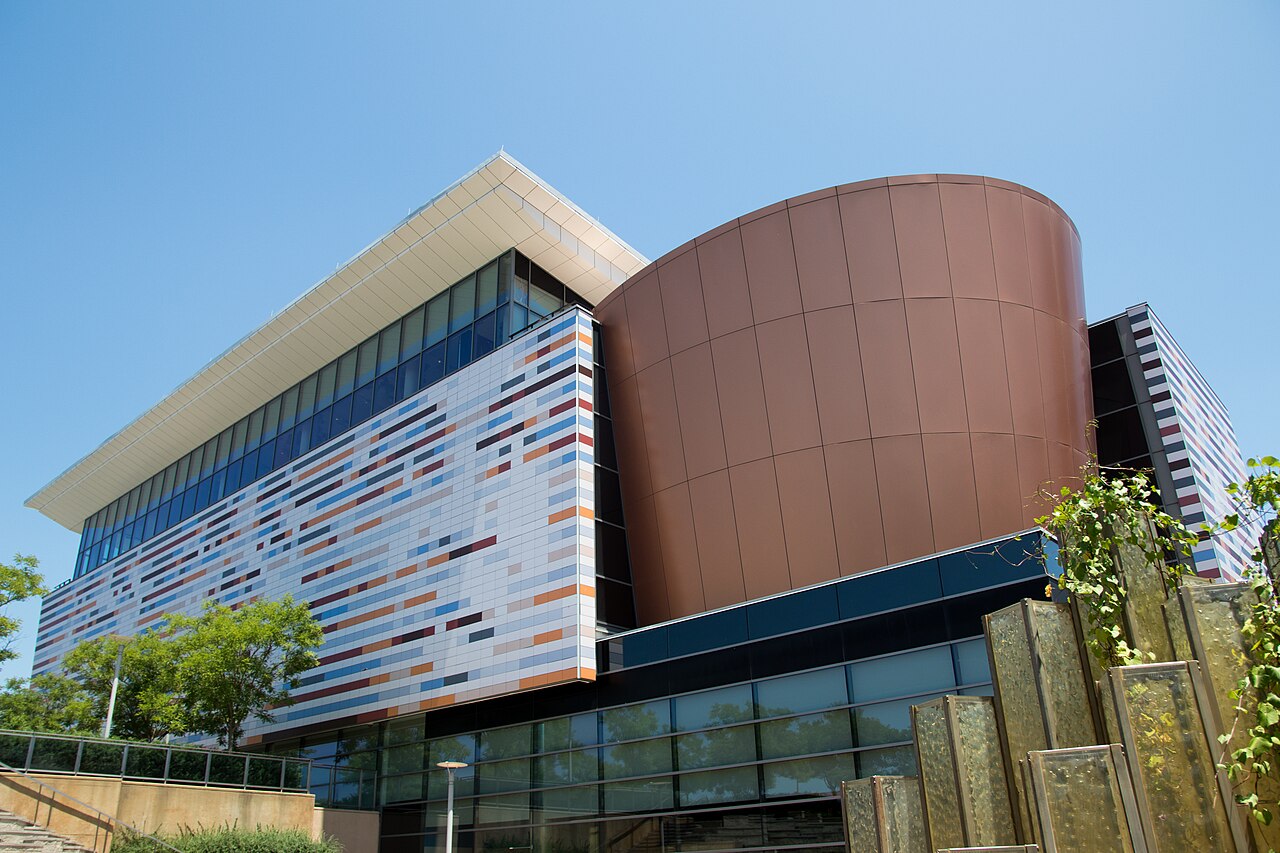
Muhammad Ali was born Cassius Clay in Louisville in 1942, and the Muhammad Ali Center on Sixth Street honors him in a museum that moves well beyond boxing. Opened in 2005 and shaped by Ali himself, it frames his life through six core values: confidence, conviction, dedication, giving, respect and spirituality. Galleries trace his path from a Louisville gym to Olympic gold in Rome, then to heavyweight titles, the refusal to be drafted during the Vietnam War, the years of exile from the ring, the comeback and the long fight with Parkinson disease. Film, photographs, artifacts and interactive stations let you step into his story, shadowbox on a bag, study his famous fights and consider the choices he made when they cost him.
What makes the museum stand out is its tone. It is less a trophy case than a conversation about conscience, identity and public life. Ali's decision to join the Nation of Islam, change his name and refuse induction into the army is presented with context rather than caricature, and visitors are invited to think about courage in their own lives.
Archive footage of press conferences, poems and training sessions reveals the humor and showmanship that made him a global figure, while quieter spaces highlight his humanitarian work after retirement. Children and teenagers tend to respond strongly to the combination of sport and social history.
The center also functions as a cultural venue, hosting talks, exhibitions and events tied to Ali's legacy, including programs on civil rights, education and global citizenship. Check the schedule for special exhibitions or community days that might enhance your visit. A shop offers books, apparel and gifts, and staff are happy to point you to nearby Louisville sights connected to Ali, including the West End neighborhood where he grew up, a boyhood home that has been preserved as a museum, and his grave at Cave Hill Cemetery.
Visiting tips
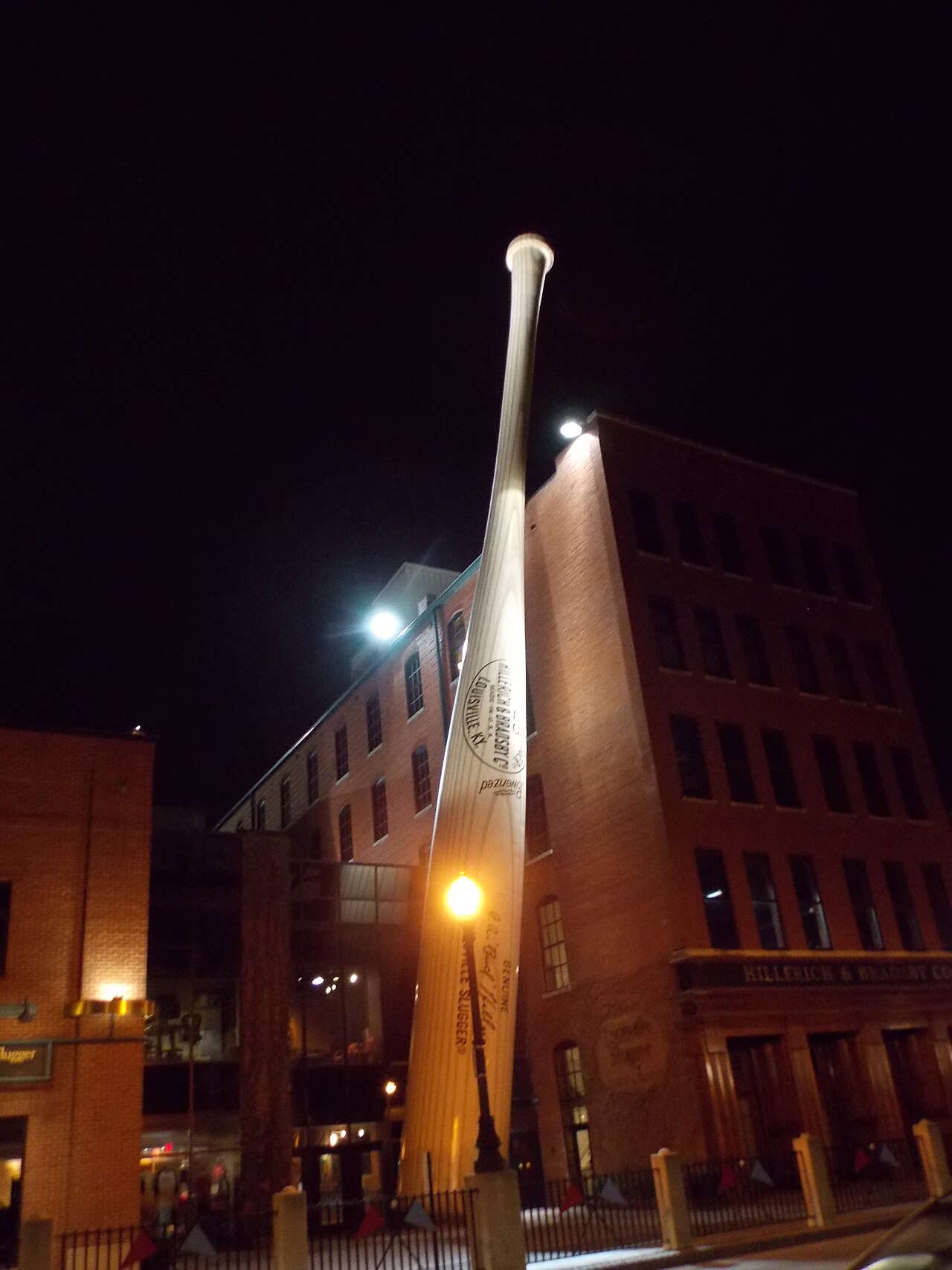
Plan on two hours, more if you read and watch everything. Weekday mornings are calm, and the museum is a comfortable indoor stop in any weather. It sits on Museum Row, within walking distance of the Frazier History Museum, the Slugger Museum and Waterfront Park, so it combines easily with other stops.
The galleries address serious subjects such as racism, war and illness, but they do so in a way that most older children can handle. Ticketing and opening hours can change seasonally, so confirm details before you go. Whatever your connection to boxing, you will likely leave with a deeper respect for the man.
A note on context for visitors who did not live through the era: Ali rose to fame in the early 1960s, a period of intense debate over race, religion and war in the United States. His outspokenness made him both celebrated and controversial, and the museum does not shy away from the divisions he provoked. Seeing his poetry, his press conferences and the crowds in Zaire and Manila gives a sense of why he became a global symbol.
Allow a few minutes at the end of the visit to reflect on the six values, which the center encourages visitors to consider in their own lives. Many guests find that the final galleries, which look at his later years and charitable work, are the most moving part of the museum.
What to expect
The experience
Self-guided galleries with film, photographs, artifacts and interactive stations organized around six core values and key chapters of Ali's life.
Best time
Weekday mornings for space to read and watch. Indoors, so any season works.
How long
About two hours.
Tips
Watch the introductory film, take time in the Vietnam-era gallery and finish at the interactive training area. Confirm hours and special exhibitions before you visit.
Quick picks
- Best for
- Anyone interested in sport, civil rights and twentieth-century American history.
- Families
- Strong for teenagers and older children; some themes are serious.
- Couples
- A thoughtful daytime stop before dinner on Main Street.
- Pair with
- Frazier History Museum, Louisville Slugger Museum and Cave Hill Cemetery.
- Time needed
- Two hours.
Good questions
Why is Muhammad Ali linked to Louisville?+
He was born in the city in 1942 and began boxing here as a boy. The center on Sixth Street was created to honor his life and values.
Is it only about boxing?+
No. The museum covers boxing but also civil rights, faith, conscience and humanitarian work.
How long should I allow?+
About two hours for most visitors.
Is it suitable for children?+
Yes for most school-age children and teens, though some themes such as racism and war are serious.
Where can I see Ali's grave?+
He is buried at Cave Hill Cemetery in Louisville. The cemetery is open to visitors.