Wat Xieng Thong, the Temple of the Golden City, was founded in the mid-sixteenth century under King Setthathirath and is considered the finest example of classical Luang Prabang temple architecture. Its main hall, the sim, has a roof of layered tiers that sweep almost to the ground, and the rear wall carries a tree-of-life mosaic in coloured glass on a deep red background that is one of the most photographed images in Laos. Beside it stand smaller chapels, including a red chapel with gilded exterior panels, and the royal funerary chapel that houses an ornate funeral carriage and the urns of past kings. The temple stood in the royal city, and its monks still live and study here. It sits at the northeastern tip of the old town, a pleasant walk or short ride from the main street, and an entrance fee is paid at the gate. The wider town of Luang Prabang is a UNESCO World Heritage Site, and the listing is the best official introduction to what makes the old town special.
What to look at: begin with the sim, taking in the long roof and the gilded stencils on the dark walls inside, then walk around to the back for the tree-of-life mosaic. The smaller buildings are quick to see, but each has detail worth a look. The royal funerary chapel houses a tall hearse in the form of a naga, along with funeral urns, and its gilded exterior is a highlight. Take your time, because the light changes across the courtyard through the day.
Etiquette is straightforward. Dress with shoulders and knees covered, remove shoes when entering any building, and speak quietly. Do not touch monks or sacred objects and do not sit with your feet pointing at a Buddha image. This is a working monastery, and novices live and study in the compound.
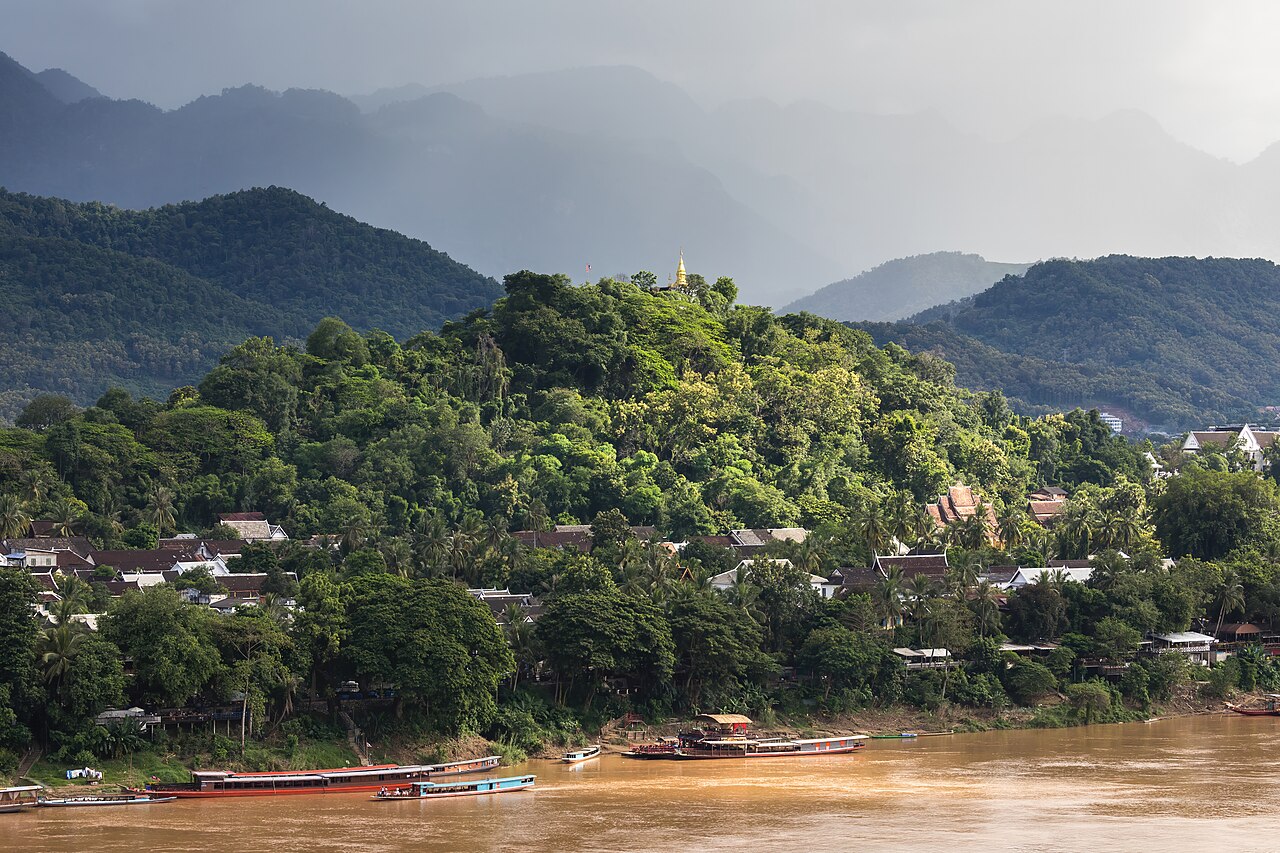
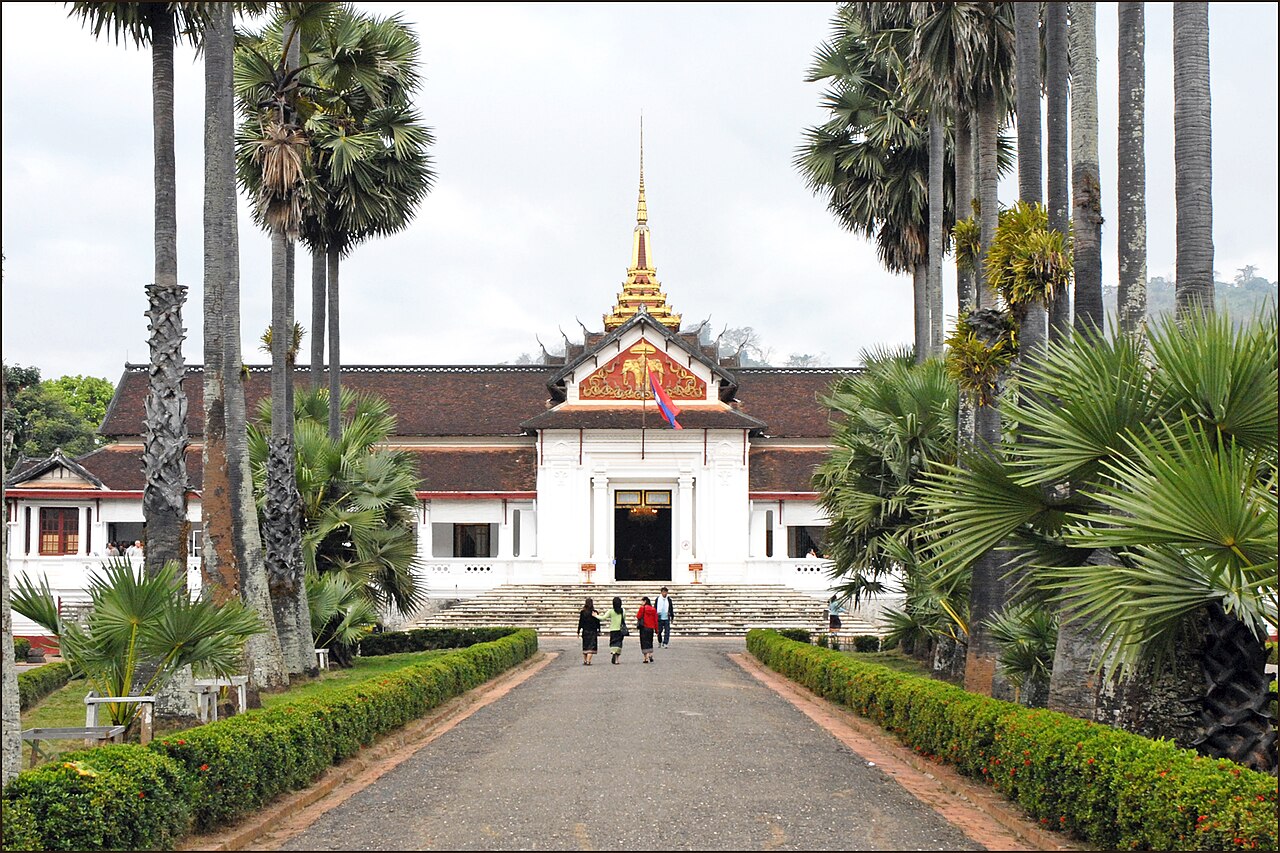
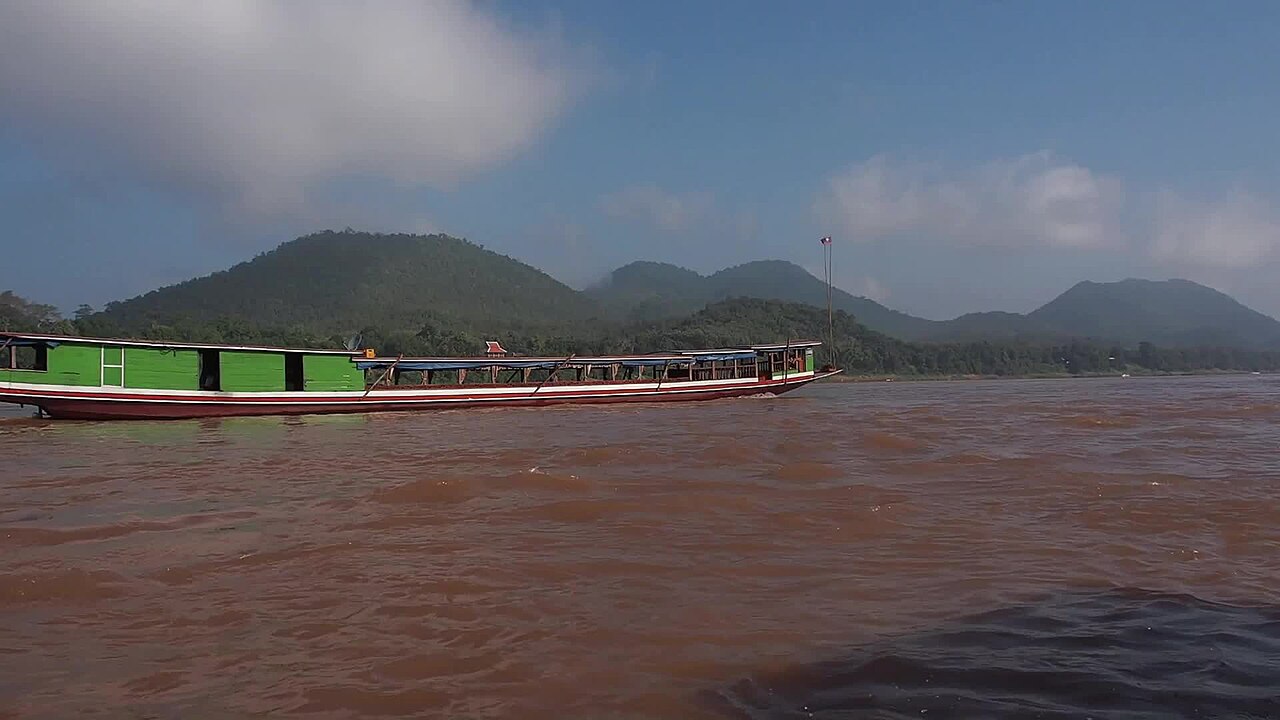
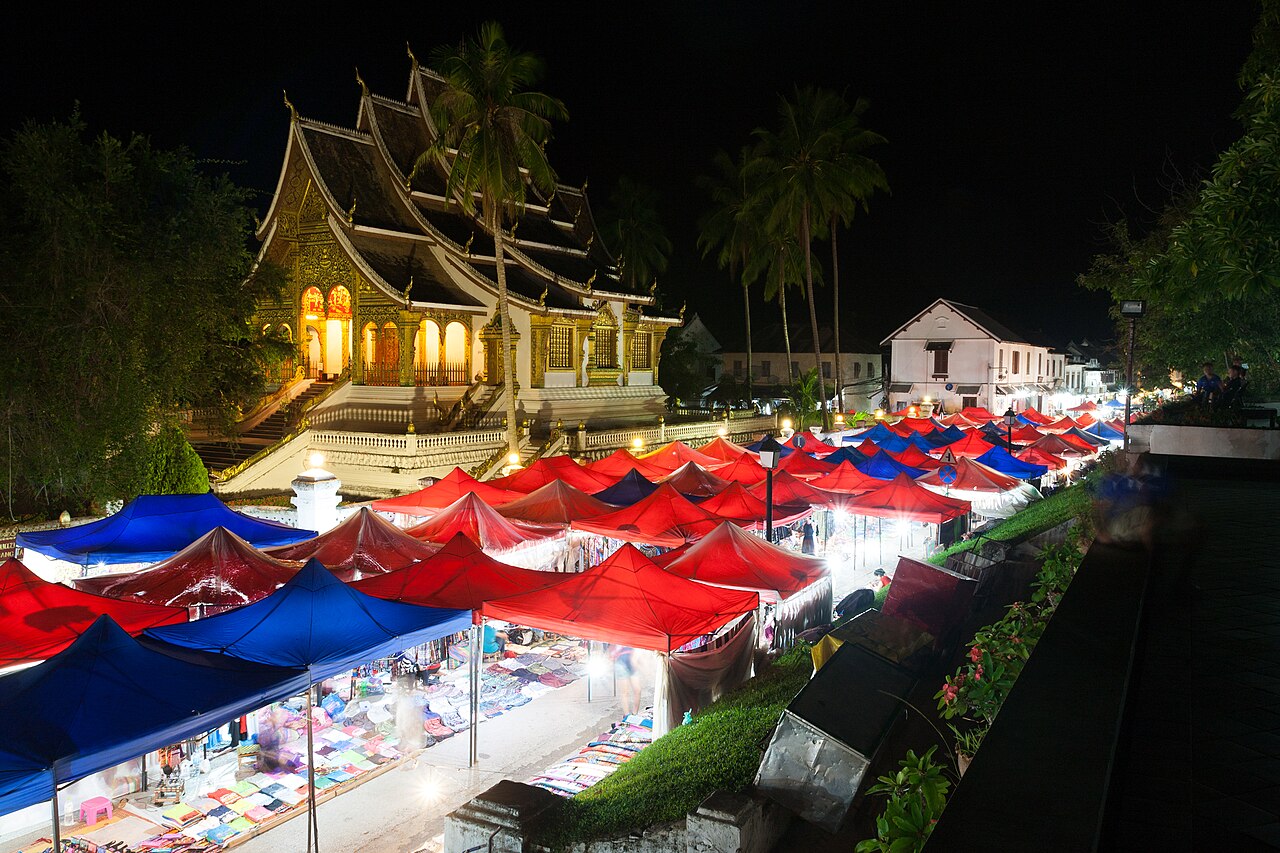
When to go: early morning is best, when the light is softer and the tour groups have not arrived, and it combines well with the alms-giving ceremony. Allow an hour. From the temple you can walk back along the river road, stopping at cafes along the Mekong or the Nam Khan, and continue to the Royal Palace Museum and Mount Phousi. The wider UNESCO inscription covers the whole peninsula, with its mix of Lao temples and French colonial villas, which is why the town has strict building rules and why a walk through it is a sight in its own right.
What to expect
The experience
A self-guided visit to the sim, the tree-of-life mosaic, the red chapel and the royal funerary chapel in a working monastery compound.
Best time
Early morning, for soft light and few groups.
How long
About an hour, plus a walk along the river on the way back.
Tips
Cover shoulders and knees, remove shoes at the doors, keep quiet and bring a little cash for the entrance fee.
Quick picks
- Best for
- Architecture and culture lovers, and anyone who wants to see the best temple in town.
- Families
- Open space and colour make it easy with children, but they should be quiet and respectful.
- Couples
- A slow morning walk along the Nam Khan riverfront after the temple.
- Pair with
- The alms-giving ceremony, the Royal Palace Museum and Mount Phousi.
- Time needed
- One hour.
Good questions
When was Wat Xieng Thong built?+
It was founded in the mid-sixteenth century under King Setthathirath, and it remains one of the best-preserved royal temples in Laos.
What is the tree-of-life mosaic?+
A glass mosaic on the rear wall of the main hall, set against a red background, showing a tree of life and scenes from Lao folklore. It is one of the town's best-known images.
What should I wear to visit?+
Cover your shoulders and knees, and remove your shoes before entering any building. Speak softly.
Is there an entrance fee?+
Yes, a modest fee is charged at the gate for foreign visitors. Bring cash in kip.
Is the whole of Luang Prabang a World Heritage Site?+
Yes, UNESCO inscribed the town in 1995 for its blend of Lao architecture and European colonial buildings. The listing page explains the criteria.