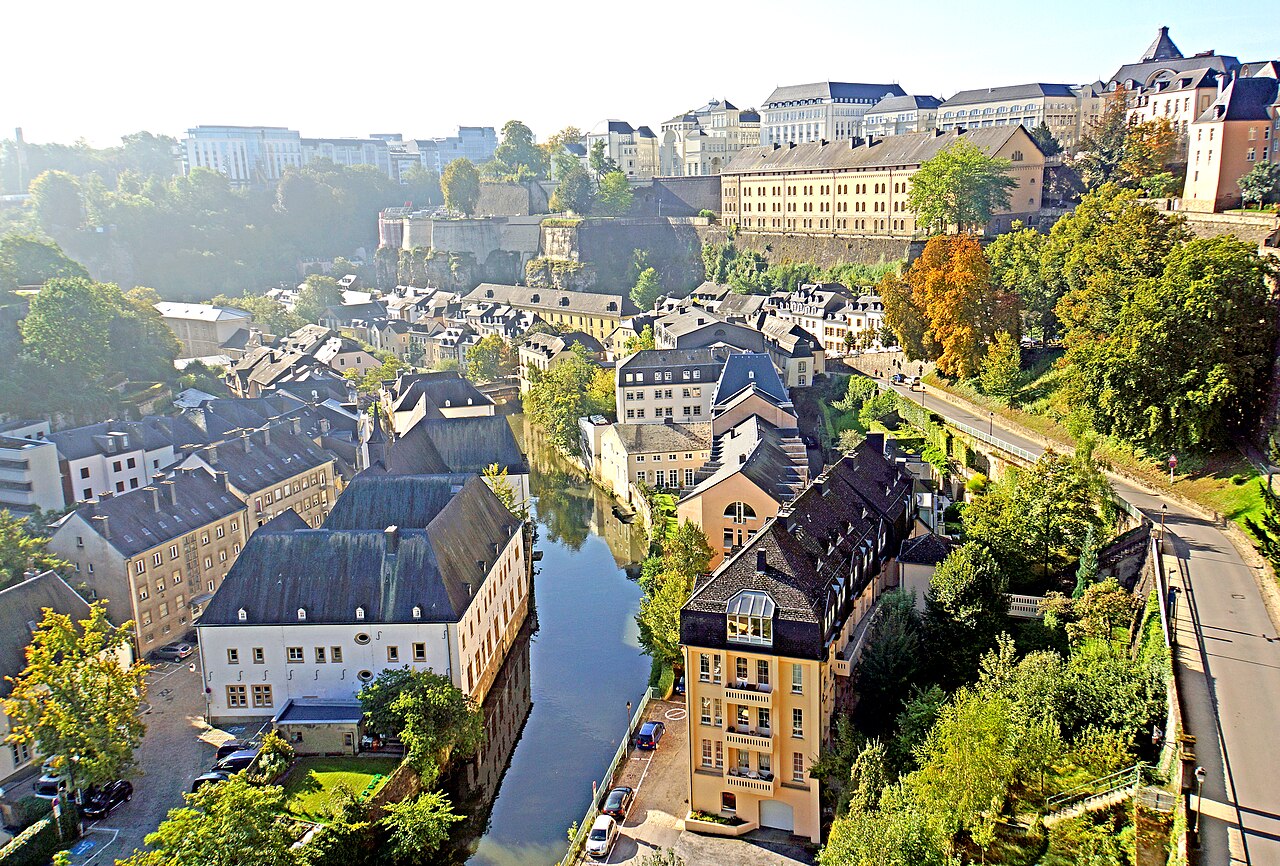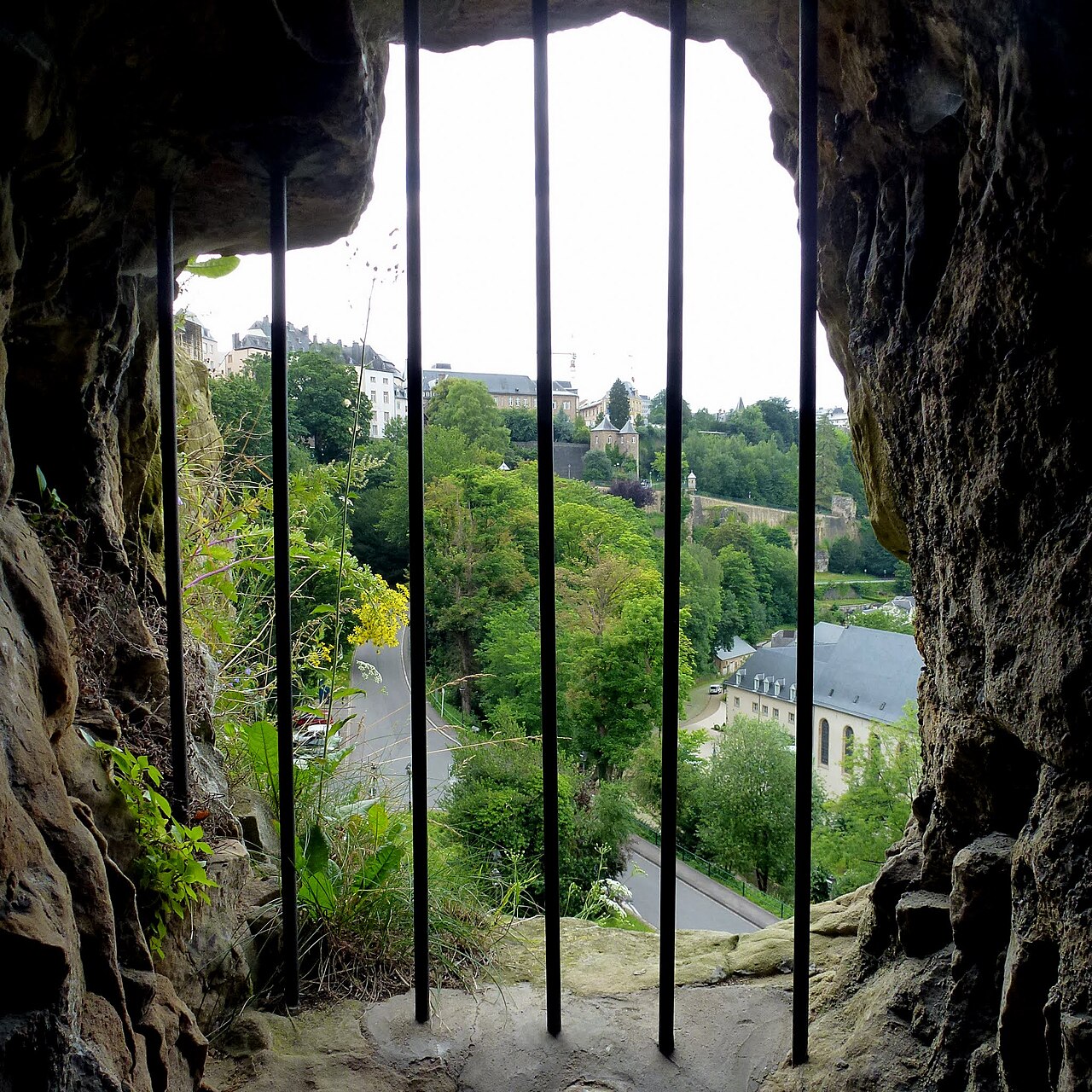
The Dräi Eechelen Museum occupies part of Fort Thüngen, an eighteenth-century fortress built under Austrian rule as an outer defence of Luxembourg City. The name means three acorns in Luxembourgish and refers to the three round towers that rise from the fort’s walls. Much of the fort was dismantled after the 1867 Treaty of London, which required the fortifications of the city to be demolished, but the towers and walls were rebuilt in the early twenty-first century and now house a museum devoted to the history of the fortress and the identity of the country. The exhibitions trace how Luxembourg grew from a strategic rock into a modern state, using objects, maps, models and multimedia displays to tell a story that is easier to grasp in a compact building than in a long lecture. Outside, the terraces and grassy ramparts command wide views over the Pfaffenthal valley and the old town.
How it works
You buy a ticket at the entrance, and visitors explore the permanent exhibition and any temporary displays at their own pace. The museum closes on Mondays, so schedule it for another day, and check opening hours before you set out. It is included in the city’s museum pass if you are planning to visit several museums over a couple of days.
What to expect
The permanent exhibition follows the fortress through its many rulers, from the Burgundians, the Spanish and the French to the Austrians and the Prussians, and shows how each one reshaped the walls. Models of the old fortifications are especially helpful for making sense of what you see from the Corniche.
Texts are available in several languages including English. Children often enjoy the towers, the underground passages and the hands-on elements, and a visit usually takes about ninety minutes. The building includes lifts and ramps, though the grounds and some outer paths have slopes and uneven ground.
Getting there
The fort is in Kirchberg, close to Mudam and the Philharmonie. The free tram from the station and the centre stops nearby, and the ride takes only a few minutes. You can also walk down through the Pfaffenthal valley and climb the fortress trail, a pleasant route with views of the old town.
Making the most of it
Arrive in the morning, visit the museum and then walk the ramparts for the view of the city skyline. The panorama is particularly good in the late afternoon, when the light warms the stone of the old town. Because the museum is next door to Mudam, many visitors combine them into a single outing that covers eighteenth-century military engineering and contemporary art.
If you have already walked the Corniche and visited the Bock Casemates, the museum fills in the missing chapters, explaining the politics behind the tunnels and the reason so much of the fortress vanished.
It is a good choice on a wet day and a rewarding stop for anyone with an interest in military or urban history. Because the exhibitions cover many centuries, it helps to pick a few themes rather than read every panel, and the staff can suggest a short route if you only have an hour. Visitors who enjoy maps will appreciate the models and plans, which make the layout of the lost fortress far easier to imagine.
What to expect
The experience
A museum in a rebuilt fortress, with models, objects and multimedia on the story of Luxembourg’s fortifications.
Best time
Weekday mornings, with the ramparts and skyline views saved for the late afternoon; closed Mondays.
How long
About ninety minutes, plus time on the ramparts.
Tips
Take the free tram to Kirchberg and combine the visit with Mudam next door.
Quick picks
- Best for
- Anyone who wants the story behind the fortress after walking the Corniche.
- Families
- Towers, tunnels and hands-on displays keep school-age children interested.
- Couples
- A quiet museum visit followed by a rampart walk at golden hour.
- Pair with
- Mudam, the Bock Casemates and the Grund.
- Time needed
- Two to three hours with the walk and the tram.
Good questions
What does Dräi Eechelen mean?+
It means three acorns in Luxembourgish and refers to the three round towers of the fort.
What is Fort Thüngen?+
An eighteenth-century fortress built under Austrian rule, partly dismantled in the nineteenth century and later rebuilt.
Which day is the museum closed?+
Mondays; check the current hours before visiting.
How do I get there?+
Take the free tram to Kirchberg, or walk up through the Pfaffenthal valley.
Is it included in the museum pass?+
Yes, it is one of the museums covered by the city’s museum pass.