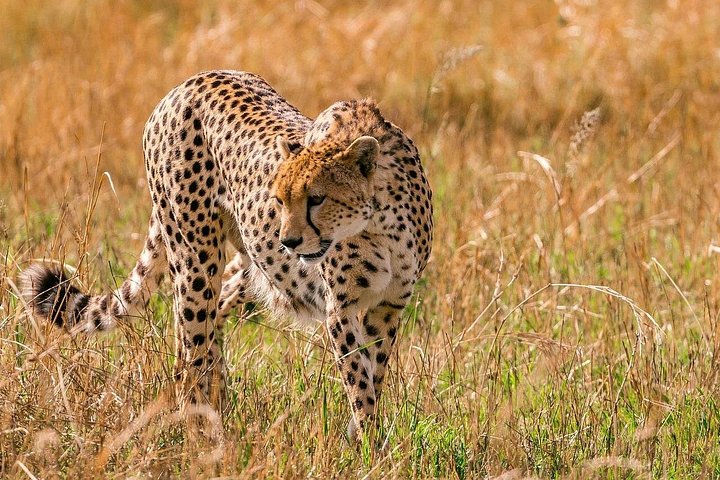
Each year, more than a million wildebeest, along with hundreds of thousands of zebra and gazelle, travel a circuit of roughly 1,000 kilometres between the Serengeti in Tanzania and the Maasai Mara in Kenya, following the rains and the fresh grass. The Kenyan leg of the journey usually begins when the herds start arriving from the south around July and August, and the best-known moments happen at the Mara River, where animals gather on the steep banks, hesitate, turn back and then, all at once, plunge into the water in front of waiting crocodiles. It is loud, chaotic and impossible to forget. Away from the river the plains are alive with grazing herds stretching to the horizon, with lions, hyenas and cheetahs following close behind. The migration is a moving event rather than a fixed show, so timing varies from year to year with rainfall and grazing, and no operator can guarantee a crossing on a particular day.
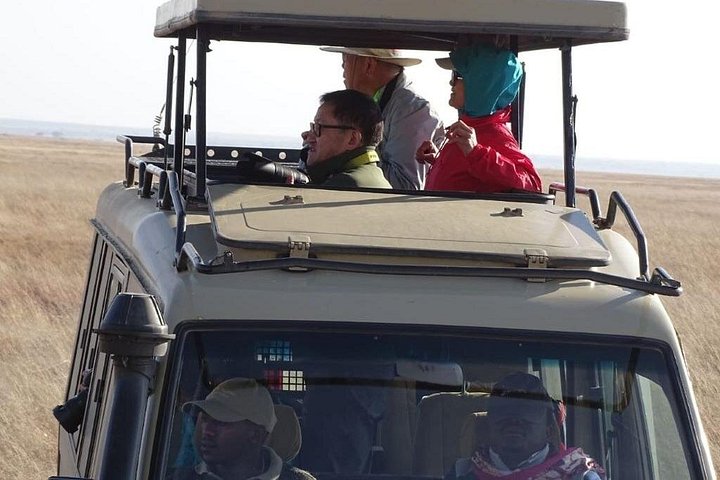
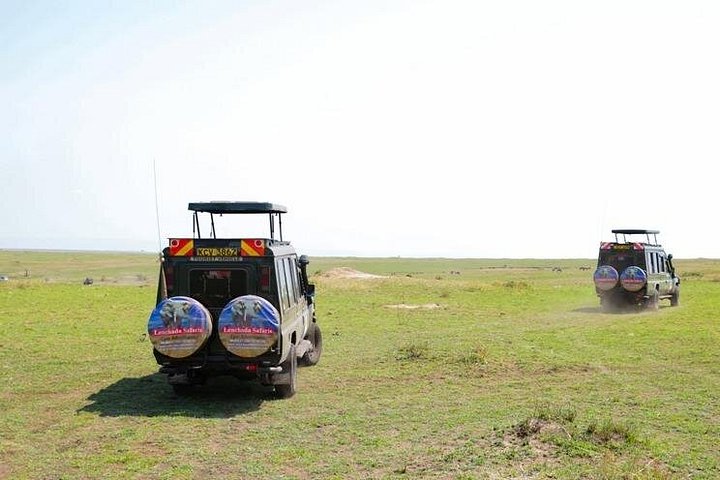
Our recommended way to see it is a three-day group safari built around the migration season, in a shared 4x4 with a capped group size. Group departures are the budget-friendly route into the Mara during the busiest months, when private lodges and camps charge their highest rates. The itinerary typically includes a long drive from Nairobi on day one, a full day of game drives on day two with time to check the river crossing points, and a final morning drive before the return.
Because crossings can take hours of waiting, a longer stay of three nights or more greatly improves your chances, and many experienced guides recommend four or five nights if crossings are your priority.
How to watch a crossing
The build-up is part of the show. Herds gather, dust thickens, the contact calls become urgent and lead animals approach the water several times before one commits. Keep your distance, switch off the engine and stay quiet, because vehicles that crowd the bank can stall a crossing or put animals at risk.
The most celebrated crossing points are on the Mara River, on both the Mara Triangle side and the Narok County side, and your guide will choose a spot based on the herd’s movements that morning. Bring snacks, water and patience; the river rewards waiting more often than speed.
When to go and what else to see: the Mara hosts the herds from roughly July to October, with August and September usually strongest for river crossings. Outside those months the resident wildlife is excellent, the landscape is greener and there are fewer vehicles, so the Mara is a good year-round destination even if the herds are away in Tanzania.
Book early for the migration season because rooms near the river fill up months ahead, and expect the reserve fee to be at its higher seasonal rate. If you are travelling with a particular crossing in mind, keep your plans flexible and talk to your operator about recent herd locations.
Choosing your base
Lodges and camps close to the river book out first, so group safaris during the peak months are a practical option for those who cannot reserve far ahead. Whichever route you choose, ask how many days are planned near the Mara River and what the plan is if herds are elsewhere that week.
Good guides share information with each other and will move to where the herds are gathering. Be prepared for long hours in the vehicle, bring a packed lunch and a hat, and remember that the quieter days between crossings, with lions and cheetahs following the herds, are also part of the migration story.
What to expect
The experience
A three-day group safari in a shared 4x4 with game drives focused on the river and the herds.
Best time
July to October, with August and September usually strongest for river crossings.
How long
Three days, though four or five nights improve your chances of a crossing.
Tips
Be patient at the river, keep vehicles back from the bank and book early for peak months.
Quick picks
- Best for
- Wildlife lovers who want the migration on a realistic budget.
- Families
- Fine for older children who can sit still through long waits at the river.
- Couples
- A shared bucket-list moment, best paired with a comfortable camp.
- Pair with
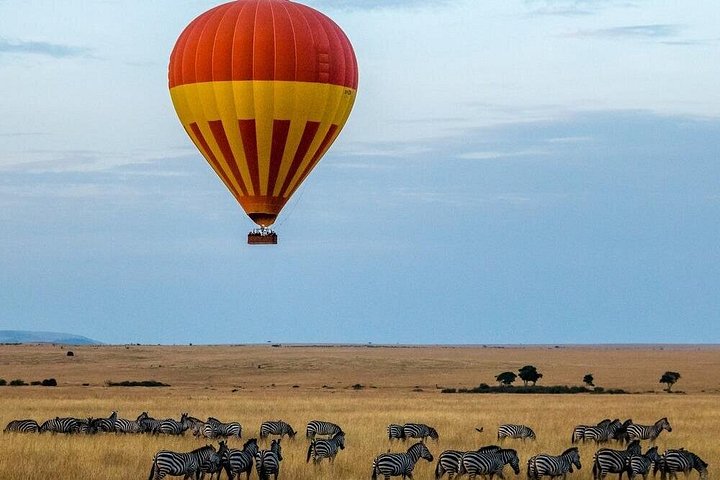
- A dawn balloon flight over the plains.
- Time needed
- At least three days; more if crossings are the priority.
Good questions
When is the Great Migration in the Maasai Mara?+
Herds usually arrive from Tanzania around July and August and stay until about October, with the strongest river crossings in August and September. Timing shifts with rainfall.
Can I be sure of seeing a crossing?+
No. Herds may gather at the river for days before crossing, and operators cannot guarantee a specific event. Staying longer improves your odds.
How many animals take part?+
Estimates vary, but figures commonly cited run to well over a million wildebeest plus hundreds of thousands of zebra and gazelle.
Is the Mara worth visiting outside the migration?+
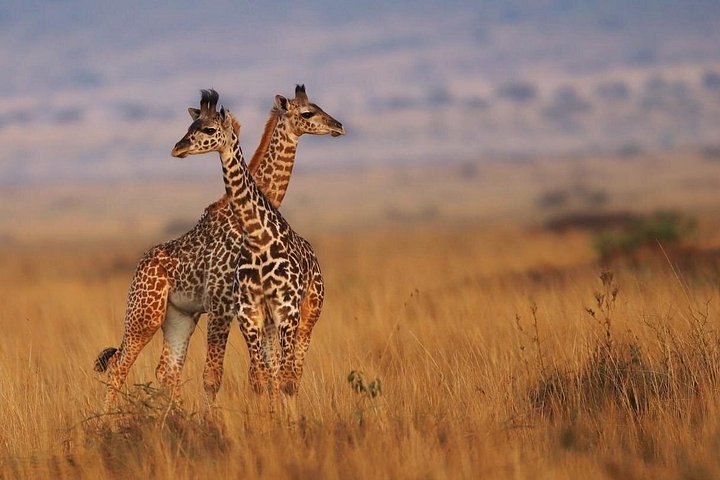
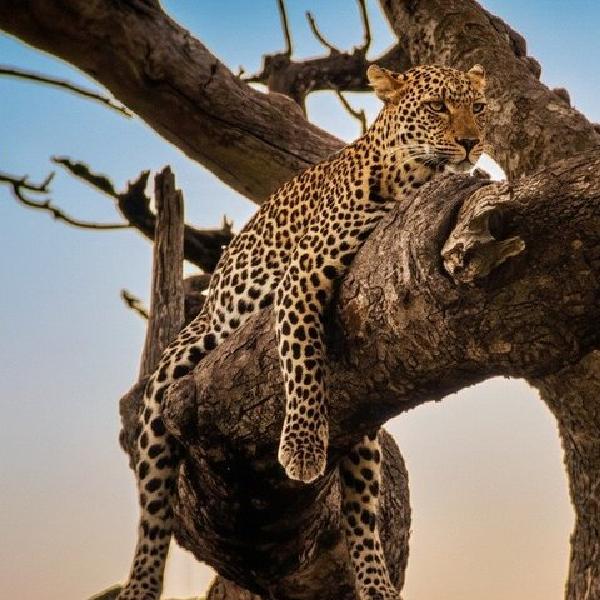
Yes. Resident lions, cheetahs, leopards and elephants live here all year, and the quieter months are greener with fewer vehicles.
Where are the best crossing points?+
The main crossings are on the Mara River on both the Mara Triangle and Narok County sides. Your guide will choose based on where the herds are that day.