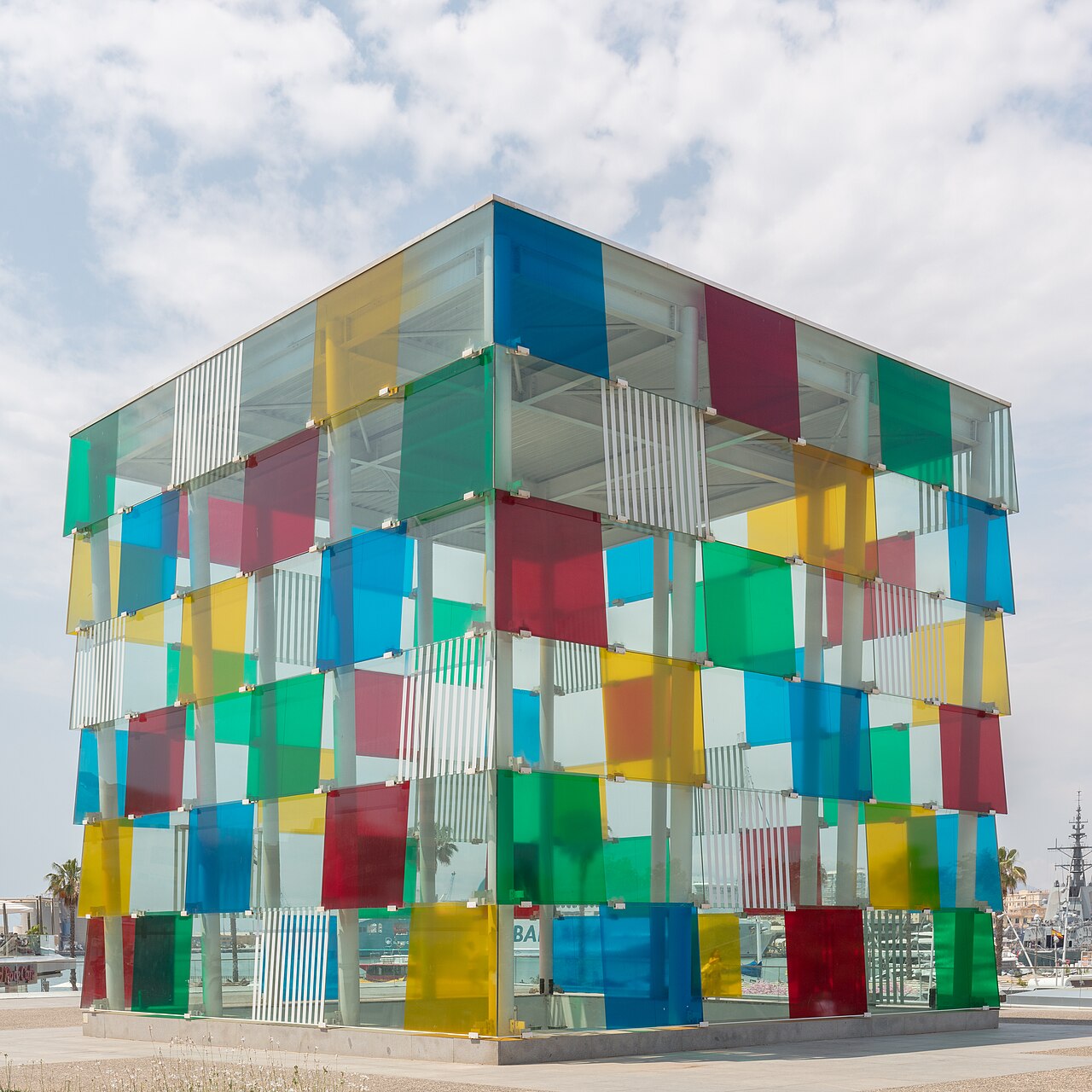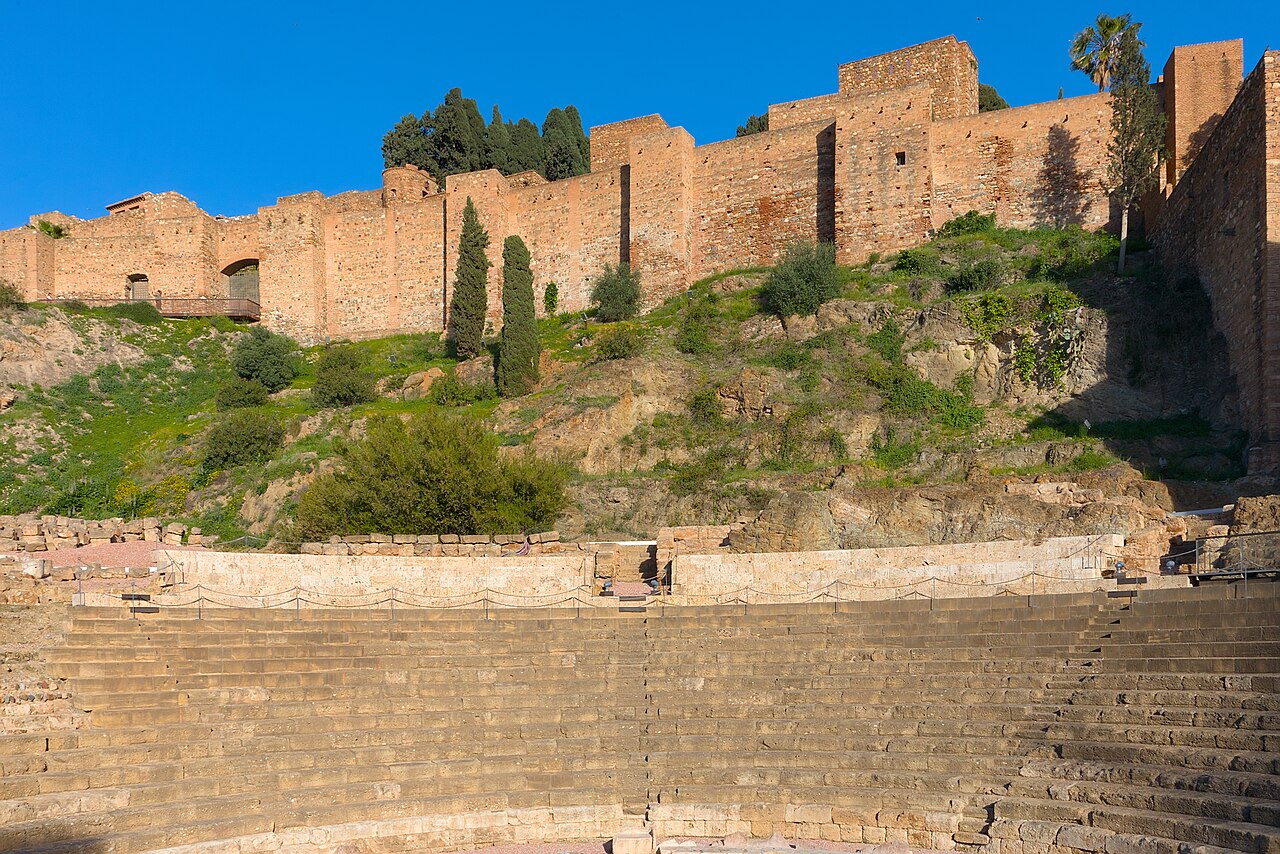
The Alcazaba is the monument that defines Málaga, and the best place to begin a visit. Built by the city’s Moorish rulers in the eleventh century on a hill above the port, it rises in layers of walls, gates and towers to a palace at the top, where small courtyards with pools, orange trees and carved arches recall the larger Alhambra in Granada on a more intimate scale. At its foot lies the Roman Theatre, built in the age of Augustus and buried for centuries until it was rediscovered in the middle of the twentieth century; its stone tiers are now restored and open to view, with a small free interpretation centre beside them. The two monuments sit side by side on Calle Alcazabilla, a pedestrian street a few minutes from the cathedral and the Picasso Museum, so they slot naturally into a first morning in the city. Tiqets sells a small-group guided tour of the Roman Theatre and the Alcazaba, which brings the layers of Roman, Moorish and Christian Málaga to life, as well as combinations with the Picasso Museum and the Centre Pompidou.
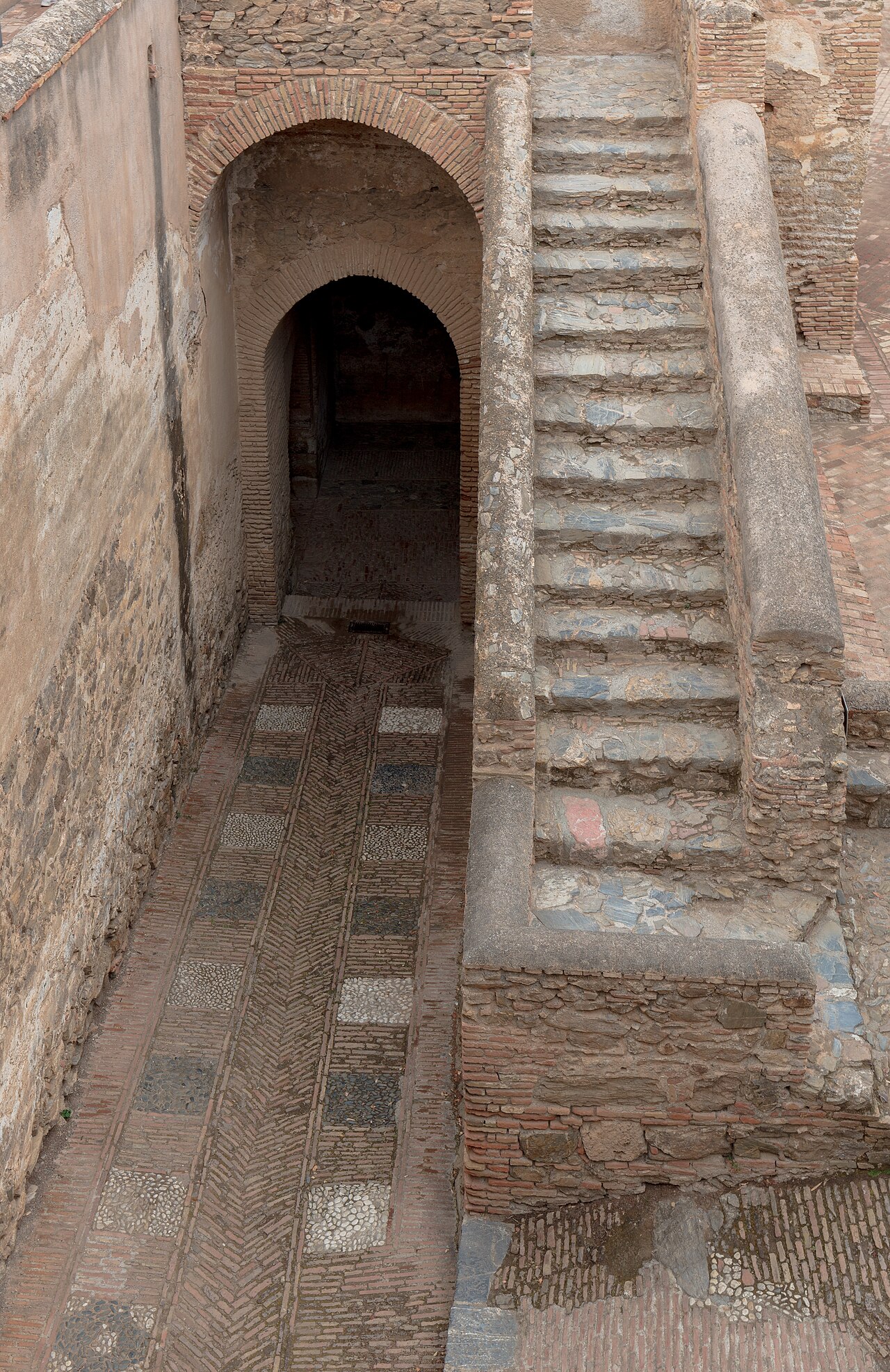
How to see it: start at the Roman Theatre, which you can see from the street and visit freely, then climb into the Alcazaba through the zig-zagging entrance ramps, a design meant to slow attackers down. Paths lead up through a series of gates to the Nasrid-style palace courtyards at the top, where most of the photographs are taken. A walled passage called the coracha once linked the fortress to Gibralfaro Castle higher up, and a combined ticket covers both monuments if you want to continue the climb.
What to expect: the paths are cobbled, steep in places and slippery when wet, so wear good shoes. There is a lift from the street behind the fortress for visitors who prefer not to walk up. From 1 November the monument keeps winter hours and closes earlier in the evening, with last entry an hour before closing. Mornings are the quietest time, and the courtyards are shaded and pleasant even in summer.
Making the most of it: the guided tour is worth it for first-timers, because there is little signage and the history of the site spans two thousand years. Allow an hour and a half for the tour or self-guided visit, then walk on to the Picasso Museum or the cathedral, both a few minutes away. If you plan to visit Gibralfaro as well, do it the same day with the combined ticket and take the bus up rather than the steep path in hot weather.
What to expect
The experience
A guided or self-guided walk up through the walls, gates and palace courtyards of the Moorish fortress, beginning at the Roman Theatre below.
Best time
Morning, when the courtyards are quiet and the light over the port is soft.
How long
About an hour and a half, or two hours if you linger in the palace courtyards.
Tips
Wear shoes with grip for the polished cobbles, use the lift if the climb is a problem and buy the combined ticket if Gibralfaro is on your list.
Quick picks
- Best for
- First-time visitors and history lovers who want to understand two thousand years of Málaga in one stop.
- Families
- Children enjoy the ramparts and towers, though the steep cobbled paths are hard work with a pushchair.
- Couples
- The palace courtyards with their pools and arches are among the most romantic corners of the city.
- Pair with
- Gibralfaro Castle above it and the Picasso Museum a short walk away.
- Time needed
- About two hours.
Good questions
Is the Roman Theatre included with the Alcazaba?+
The Roman Theatre sits at the foot of the Alcazaba and can be visited freely, with a small interpretation centre beside it. The guided tour sold on Tiqets covers both the theatre and the Alcazaba.
How long do you need at the Alcazaba?+
Most visitors spend about an hour and a half walking up through the gates to the palace courtyards. Add another hour or more if you continue to Gibralfaro Castle.
Is there a combined ticket with Gibralfaro Castle?+
Yes, a combined ticket covers both the Alcazaba and Gibralfaro Castle for a little more than a single entry. The two are linked by a walled path, or by bus and taxi up the hill.
Is the Alcazaba accessible?+
Partly, because a lift from the street behind the fortress takes visitors up to the upper levels. Inside, many paths are steep and cobbled, so wheelchair access is limited.
What are the Alcazaba opening hours in winter?+
From 1 November to 31 March the monument closes earlier in the evening than in summer, with last entry one hour before closing. Check the official site for the current times before you go.