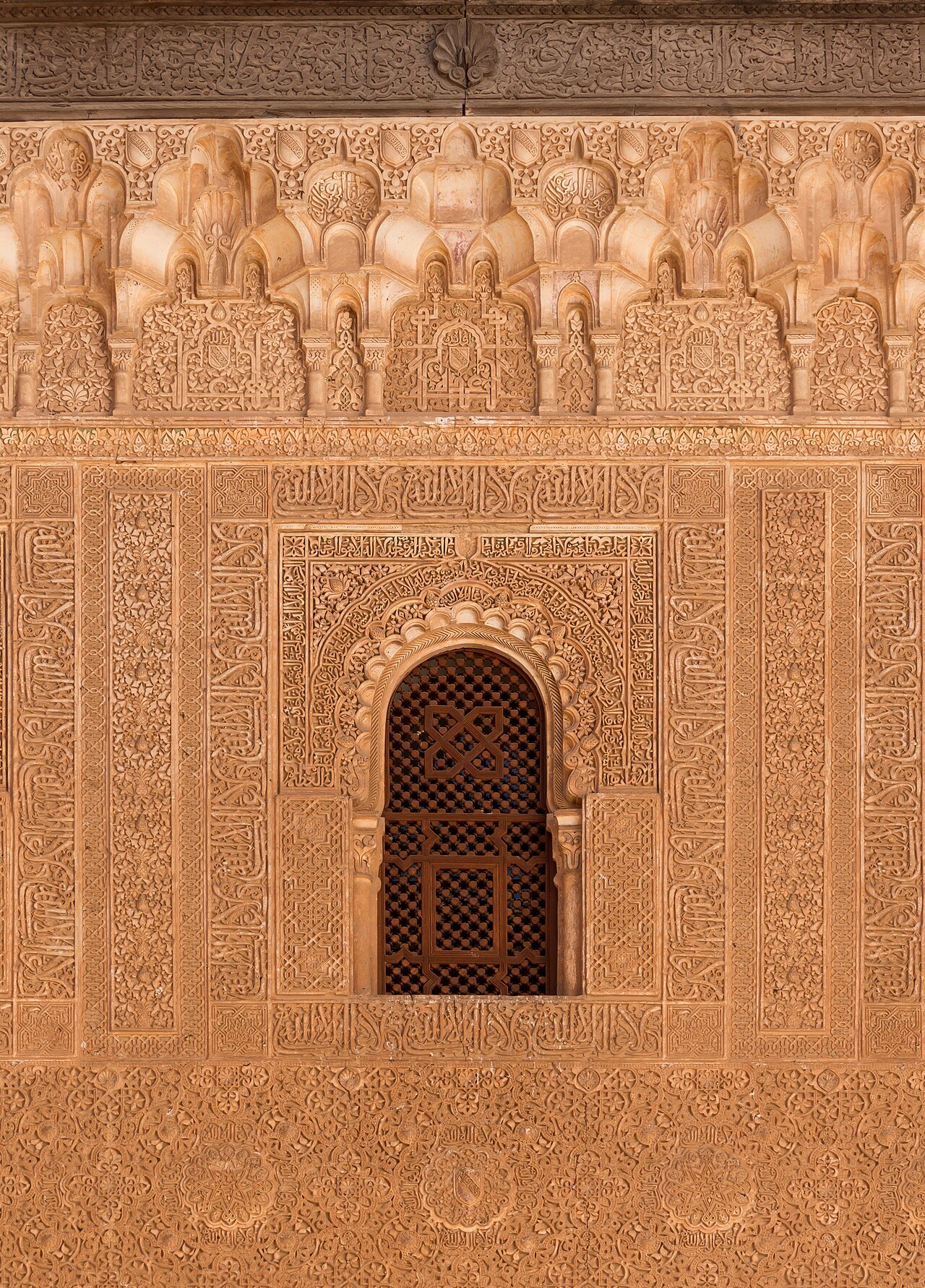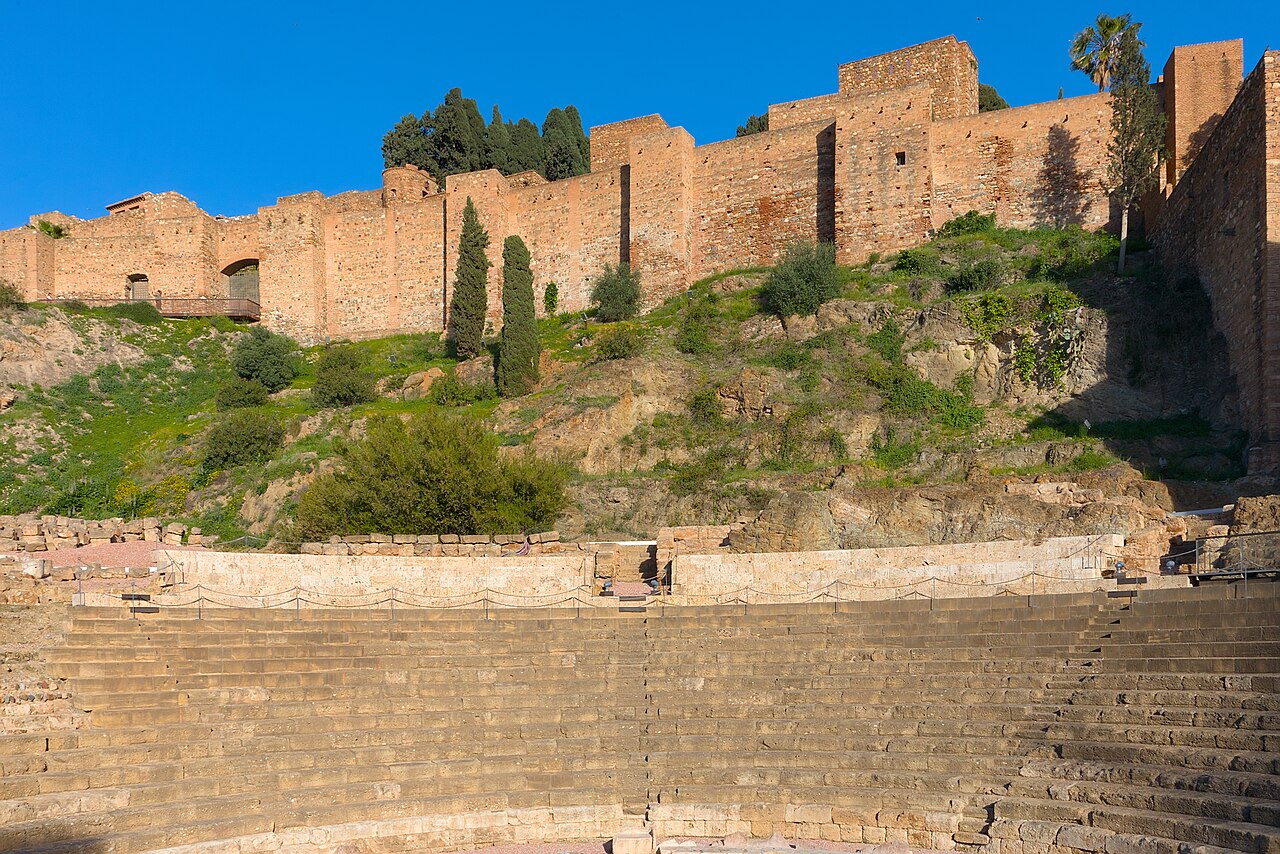
Alcazaba of Málaga and Roman Theatre
Málaga’s Moorish palace-fortress, climbing the hillside above a Roman theatre in the heart of the old town, with fountain courtyards, horseshoe arches and views over the port and the sea.
Andalusia (Spain)
Málaga is the sunny capital of the Costa del Sol and one of the most rewarding city breaks in southern Spain: a port city where a Moorish fortress climbs the hill above a Roman theatre, a Renaissance cathedral with one missing tower towers over the old town, and the boy who became Pablo Picasso was born on a square a few streets away.
In a single walkable centre you can tour the palaces of the Alcazaba, walk the ramparts of Gibralfaro Castle for the best view on the coast, see more than a century of Picasso at the museum in a sixteenth-century palace and step into the colourful glass cube of the Centre Pompidou on the harbour. Beyond the city, the province holds some of Andalusia’s great day trips: the cliff-hugging boardwalks of the Caminito del Rey, the vast caverns of the Nerja caves and the gorge-top town of Ronda. Evenings bring flamenco in intimate tablaos and sunset sailing across the bay. This guide shows you which tickets to book ahead, how to split your days between the old town and the coast, and which hotel suits your trip, from a grand seafront palace to a seventeen-room artist’s hideaway.
Alcazaba of Málaga and Roman Theatre
Málaga’s Moorish palace-fortress, climbing the hillside above a Roman theatre in the heart of the old town, with fountain courtyards, horseshoe arches and views over the port and the sea.
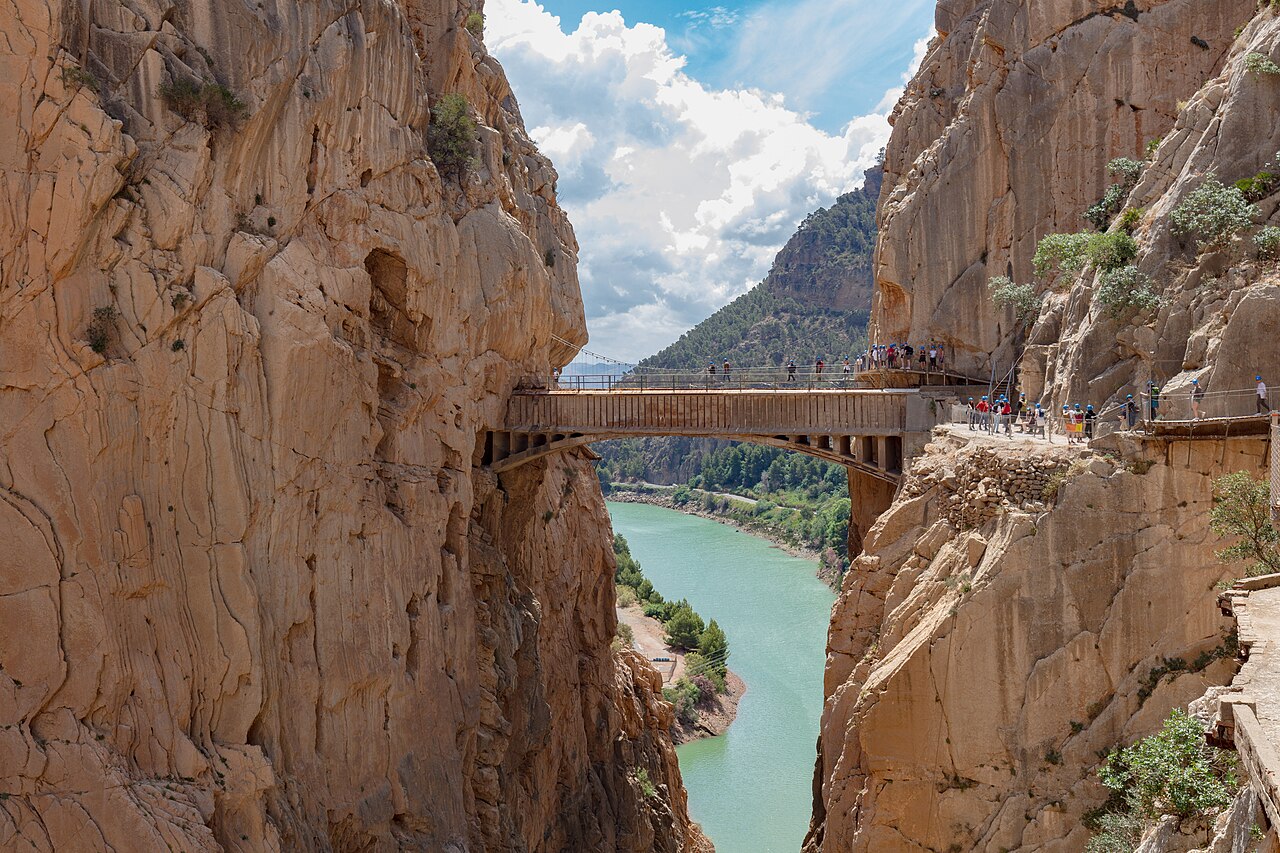
Caminito del Rey
The famous cliff-face boardwalk through the gorges of El Chorro, once called the world’s most dangerous path and now a safe, spectacular one-way walk high above the river.
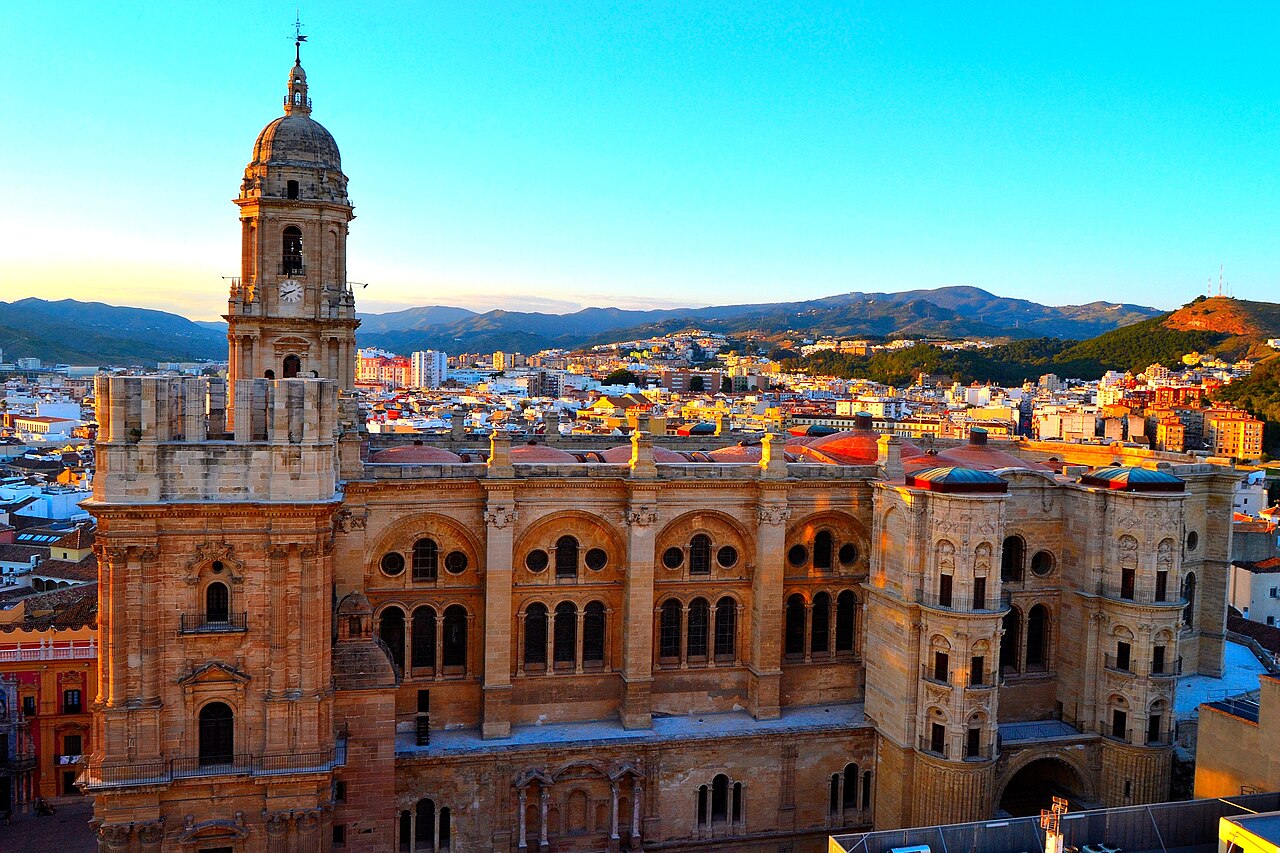
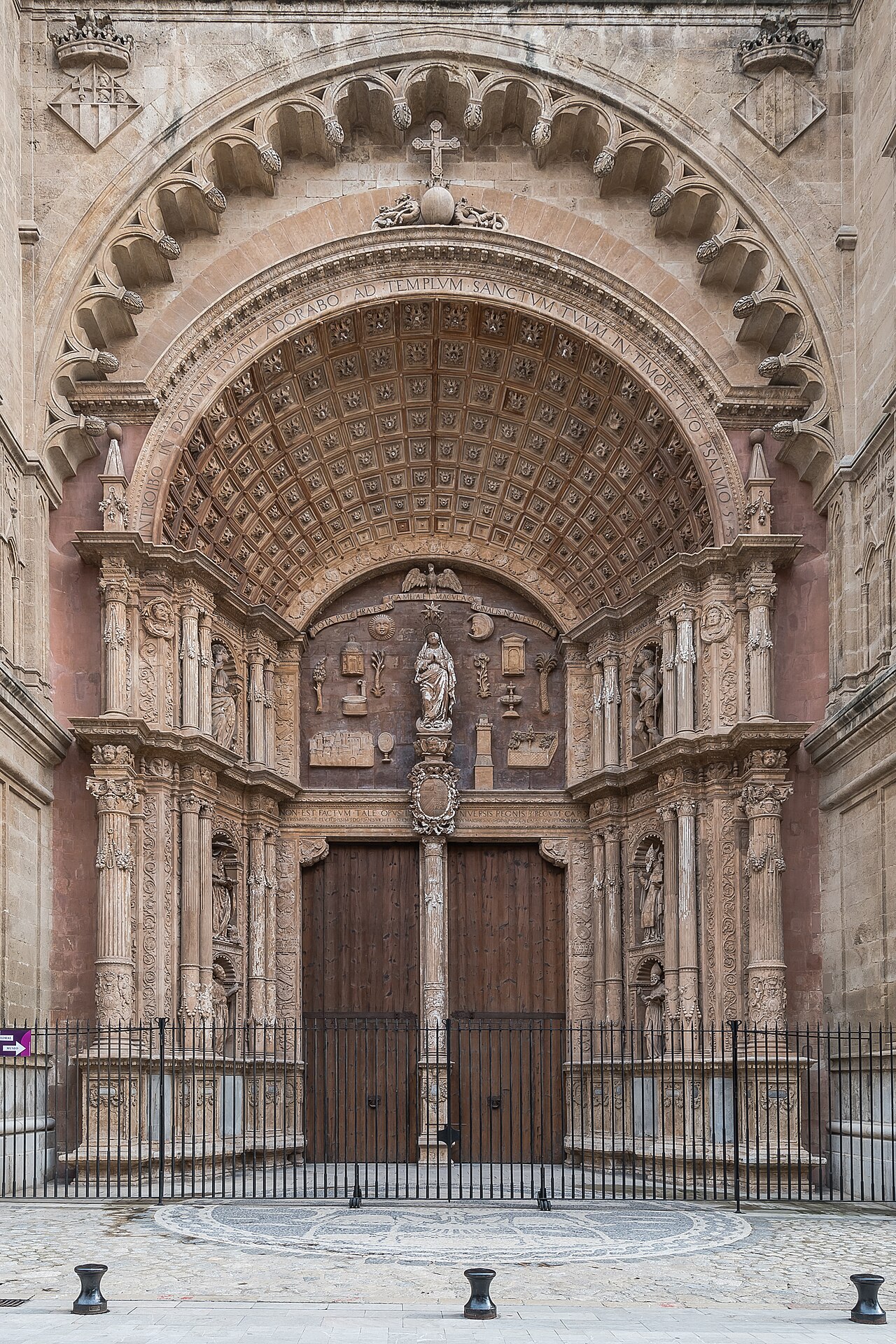
Málaga Cathedral (La Manquita)
The great Renaissance cathedral nicknamed La Manquita, the one-armed lady, for its unfinished second tower, with soaring white vaults, carved choir stalls and an audio guide included in the ticket.
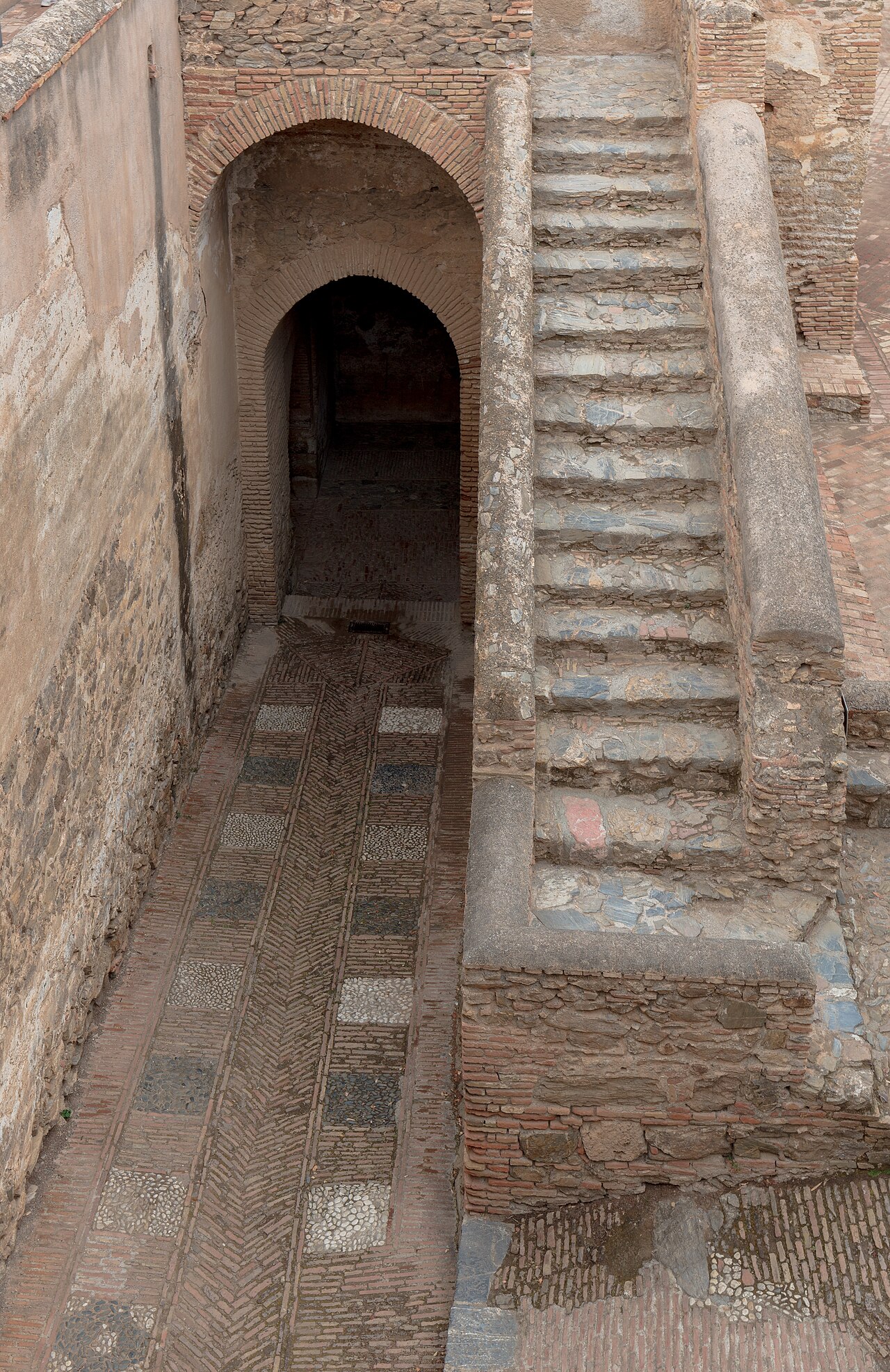
Gibralfaro Castle
The fourteenth-century hilltop castle above the Alcazaba, where you walk the ramparts high over the city for the finest views on the Costa del Sol, across the port, the bullring and the sea.
Málaga’s Moorish palace-fortress, climbing the hillside above a Roman theatre in the heart of the old town, with fountain courtyards, horseshoe arches and views over the port and the sea.
The museum in Pablo Picasso’s home town, set in the sixteenth-century Buenavista Palace, with a collection spanning his whole career, from early academic studies to late paintings and ceramics.
The great Renaissance cathedral nicknamed La Manquita, the one-armed lady, for its unfinished second tower, with soaring white vaults, carved choir stalls and an audio guide included in the ticket.
The fourteenth-century hilltop castle above the Alcazaba, where you walk the ramparts high over the city for the finest views on the Costa del Sol, across the port, the bullring and the sea.
The famous cliff-face boardwalk through the gorges of El Chorro, once called the world’s most dangerous path and now a safe, spectacular one-way walk high above the river.
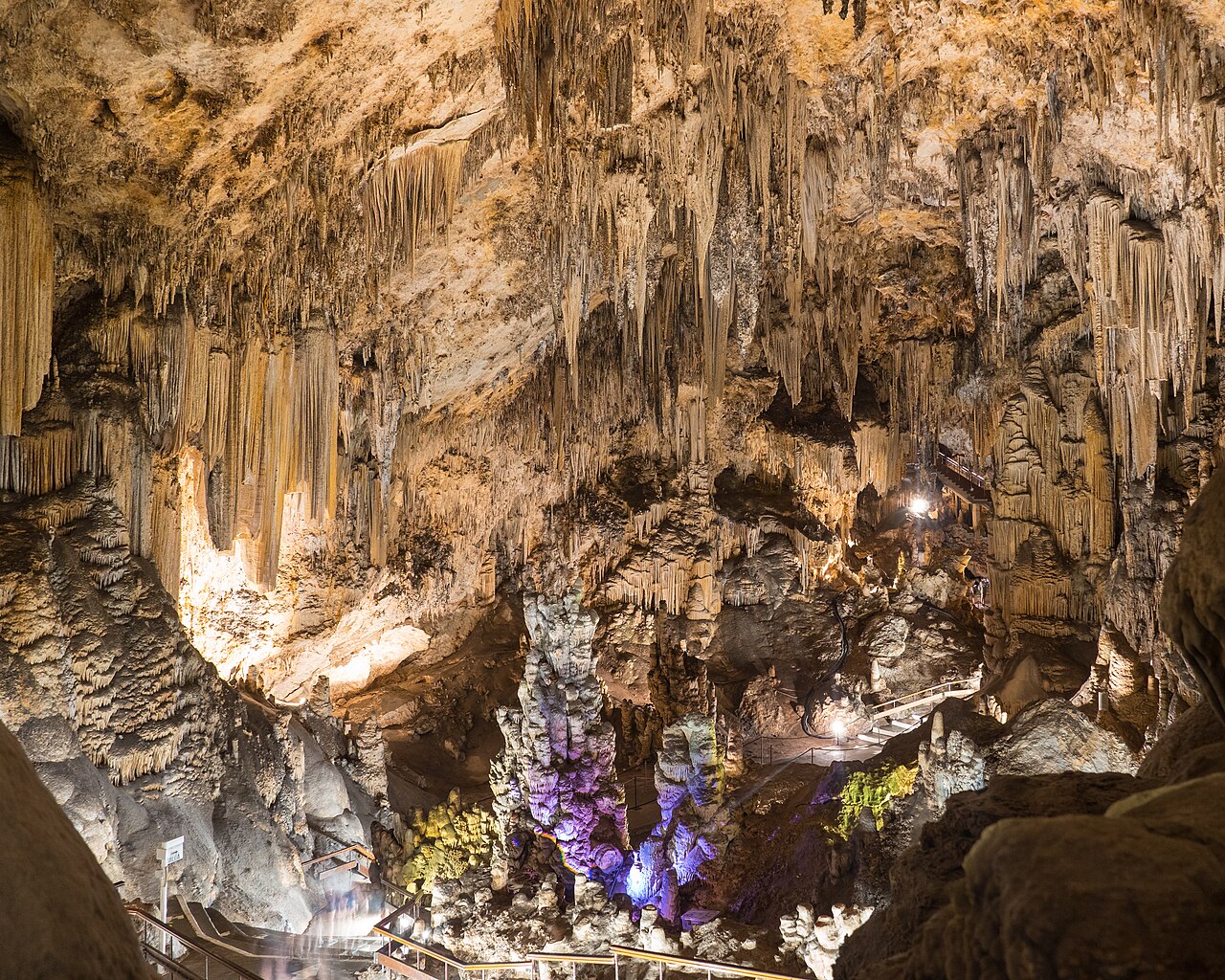
A vast cave system above the seaside town of Nerja, found by five local boys in 1959, with cathedral-sized chambers, towering columns and one of the great natural spectacles of Andalusia.
A guided coach day trip from Málaga to Ronda, the town split by a deep gorge and joined by the Puente Nuevo bridge, with a stop in Setenil de las Bodegas, the white village built under the rock.
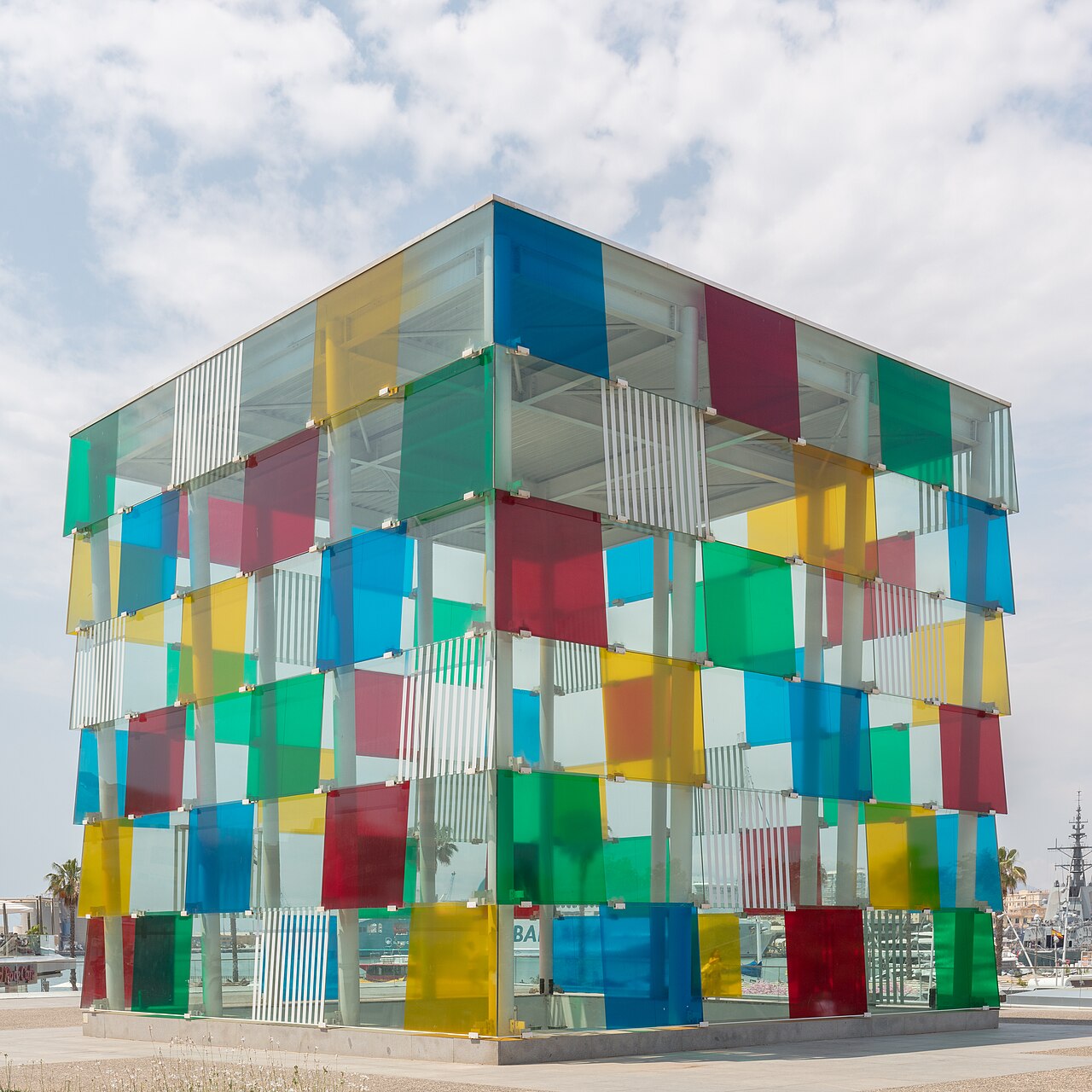
The Paris museum’s outpost on Málaga’s harbour, under a bright multicoloured glass cube on the Muelle Uno waterfront, with modern and contemporary art from the Pompidou collection.
A 90-minute sunset sail across the Bay of Málaga by catamaran from the Muelle Uno waterfront, with a glass of cava and the city, the castle and the mountains glowing behind you.
An hour of live flamenco in an intimate Málaga venue, with a guitarist, singer and dancers close enough to feel the footwork, at tablaos such as Alegría, Kelipé and Teatro Flamenco Málaga.
Hotels we would book ourselves, from splurges to good-value bases.
 $$$$
La Malagueta and La Caleta
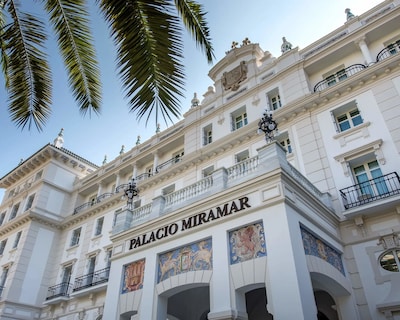
Málaga’s grand seafront palace hotel, opened in 1926 and reborn as a five-star Gran Lujo hotel in 2017, with a spa, heated pools and five restaurants beside La Malagueta beach.
Check rates →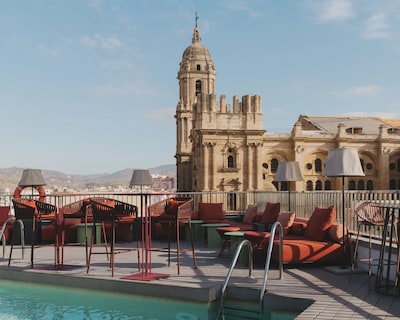 $$$
Historic Centre (Cathedral)
A stylish four-star hotel in a restored nineteenth-century building right beside the cathedral, with a year-round rooftop pool and terrace looking over the cathedral and the port.
Check rates →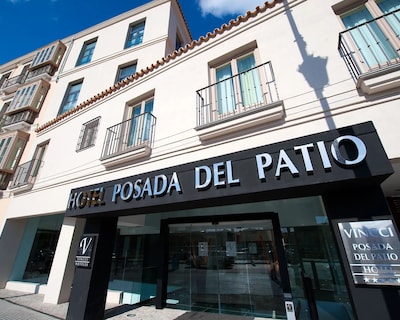 $$$
El Perchel and Trinidad (West Bank)
A five-star hotel on the west bank of the Guadalmedina river, steps from the old town, built around excavated stretches of the city’s ancient walls, with a pool and suites with terraces.
Check rates →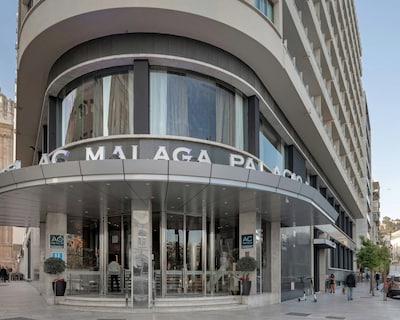 $$$
Historic Centre (Port and Paseo del Parque)
A modern Marriott hotel between the cathedral and the port, with a fifteenth-floor rooftop pool and the ATICO bar and restaurant, one of the best terraces in the city.
Check rates →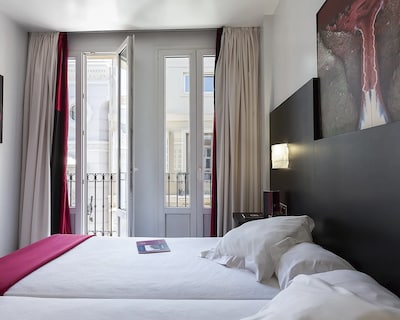 $$
La Merced (Historic Centre)
A small, good-value boutique hotel on Calle Álamos in the old town, with seventeen rooms decorated with the red, black and white artworks of the Málaga painter Pepe Bornoy.
Check rates →The practical primer for a first visit to Málaga: which tickets to book ahead, getting in from the airport, how to split your days between the old town and day trips, and where the Alcazaba, Picasso and the Caminito del Rey fit.
Where to stay in Málaga: the old town, the port, La Malagueta beach or across the river, with the best hotel for each kind of trip and budget.