Mallorca is an easy island to visit badly and a rewarding one to visit well. Most people never leave the beach, but the island’s best experiences, a Gothic cathedral on the sea, a wooden train over the mountains, a concert on an underground lake, are spread between Palma, the Serra de Tramuntana and the east coast. A little planning turns them into a relaxed trip. Here is how to shape a first visit.
How many days
Three full days cover Palma and two classic day trips: the Sóller train one day and the Caves of Drach the next. Four or five days let you add Valldemossa, a boat trip and a slower pace in the city. A week gives time for walking in the mountains or a few nights in Sóller, which is the best way to see the valley once the day trippers have gone.
Base yourself in Palma
For a first visit, Palma is the best base. It has the airport fifteen minutes away, the sights, the restaurants and the transport links, and almost every day trip starts here. Stay in the old town to walk everywhere, or on the seafront at Portixol for a beach feel. Add a night or two in Sóller if you love the mountains.
What to book ahead
The Caves of Drach run on fixed time slots, and in winter there are only four a day, so book a few days ahead. Palma Cathedral is worth booking with fast entry, especially on cruise days and wet afternoons, when everyone heads indoors. The Sóller train is busy in the middle of the day, and a guided island tour that bundles the train, the tram and the coach takes the planning out of it. In summer, book boat trips and hotels early.
Know the closing days
Mallorca’s sights have their rhythms. Palma Cathedral is closed to sightseeing on Sundays, and the Valldemossa Charterhouse opens Monday to Saturday. The Almudaina palace and Bellver Castle close on Mondays. In the low season the Cuevas dels Hams are listed as open Wednesday to Sunday. Build your days around these and you will not hit a locked door.
Getting around
In Palma, walk: the old town is compact, and taxis are reasonably priced for the hill up to Bellver or the run out to the Miró Foundation and the aquarium. For day trips, the island’s public buses reach Valldemossa, Sóller and Porto Cristo, and the Sóller train is a trip in itself. A hire car gives freedom on the east coast and the mountain roads, but parking in Palma is hard, so pick it up only for the days you need it. The Tiqets cave trip includes coach transport from Palma.
Day one: Palma
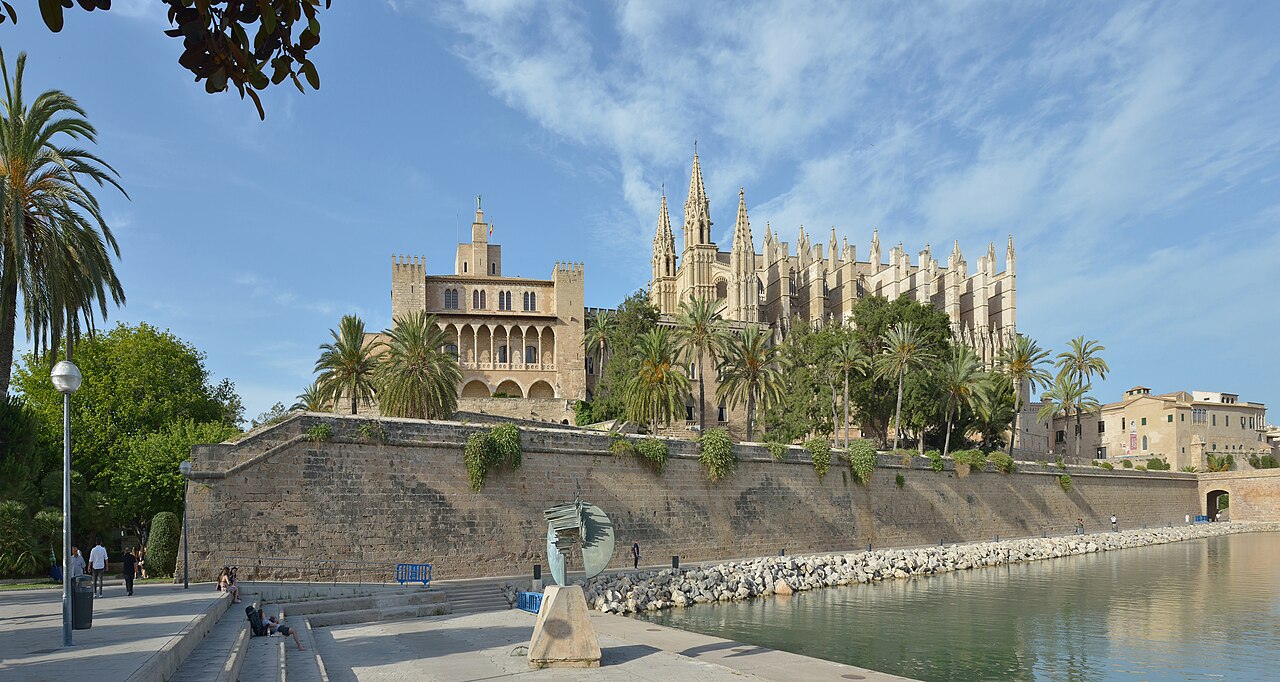
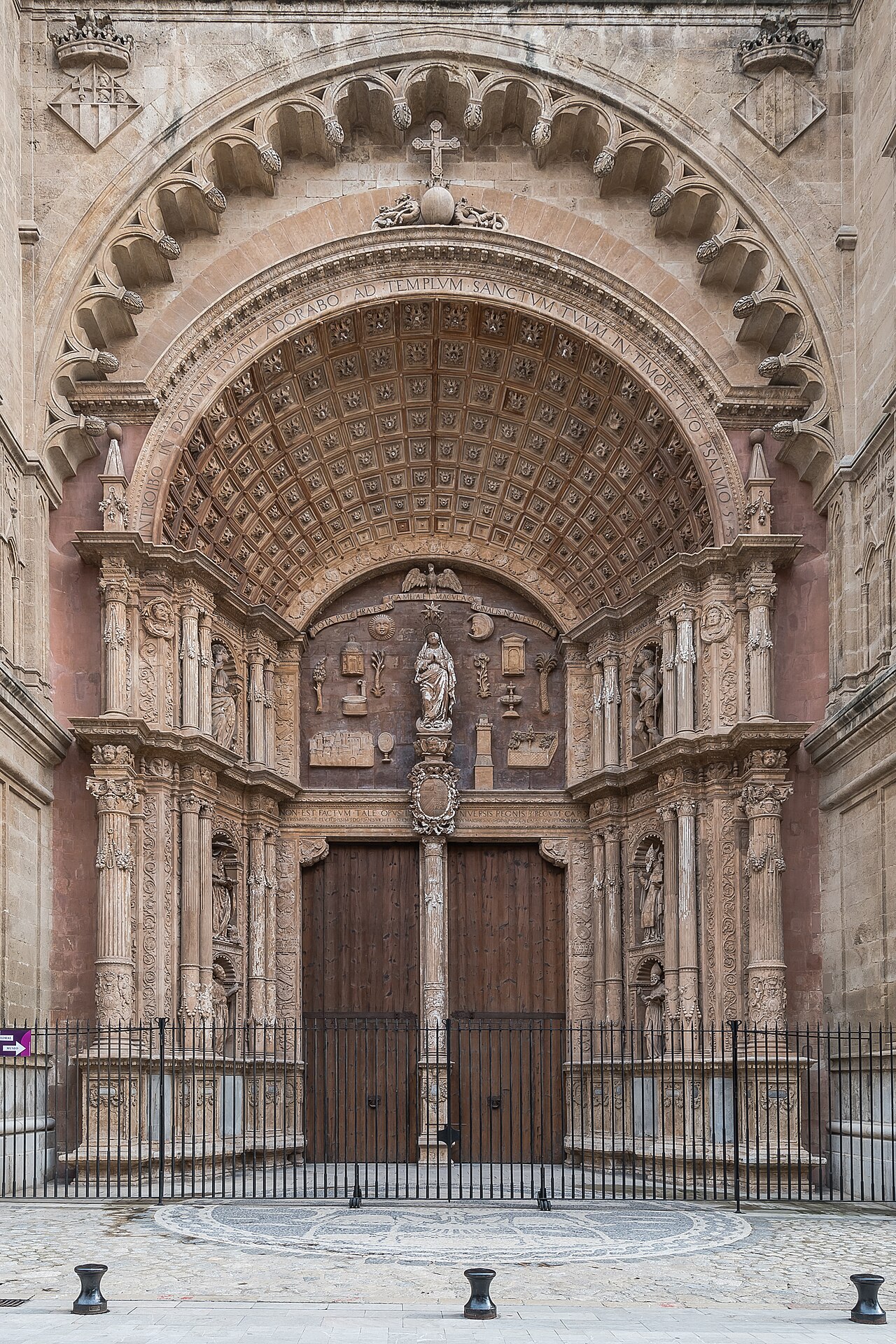
Start at the cathedral in the morning, when the light through the rose window is best, then visit the Royal Palace of La Almudaina next door. Wander the old town lanes in the afternoon and finish at Bellver Castle for the sunset view over the bay.
Day two: the mountains
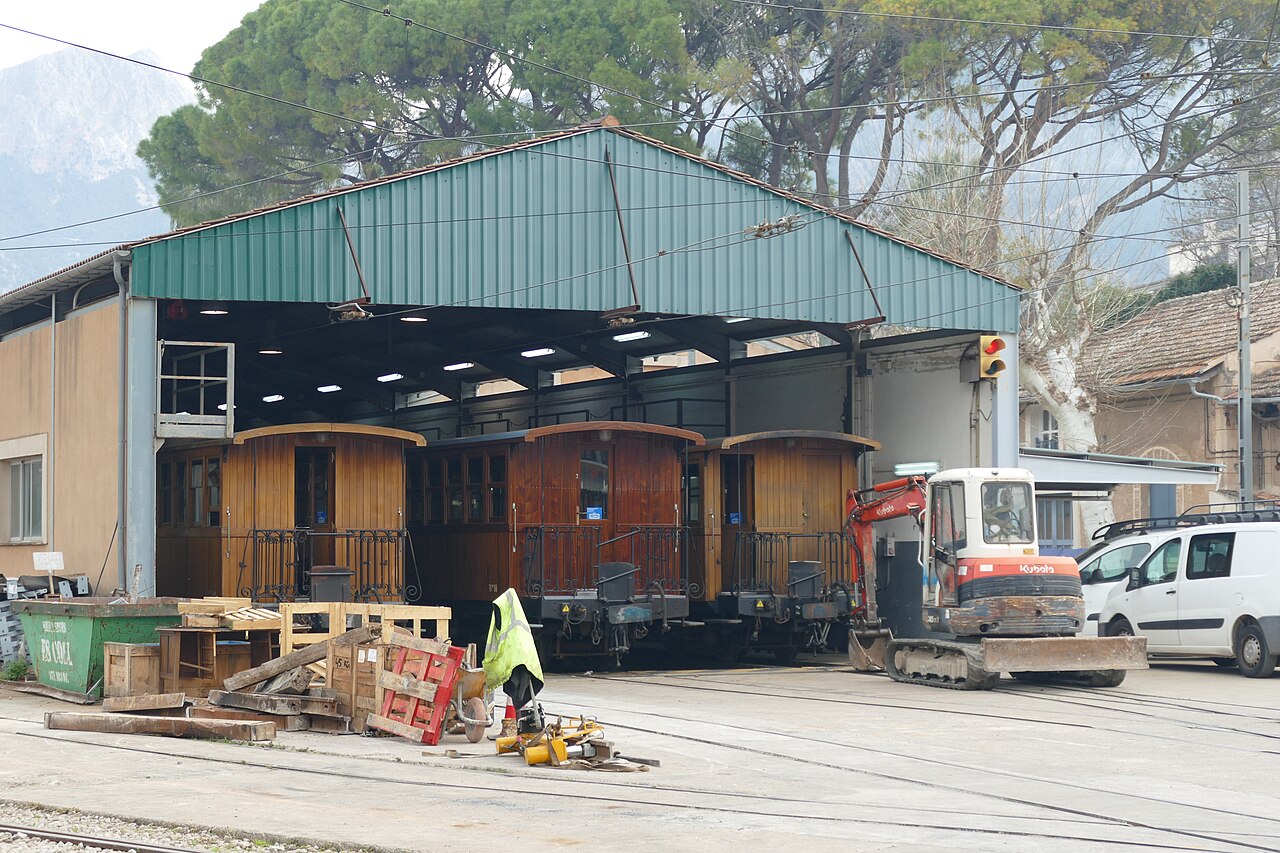
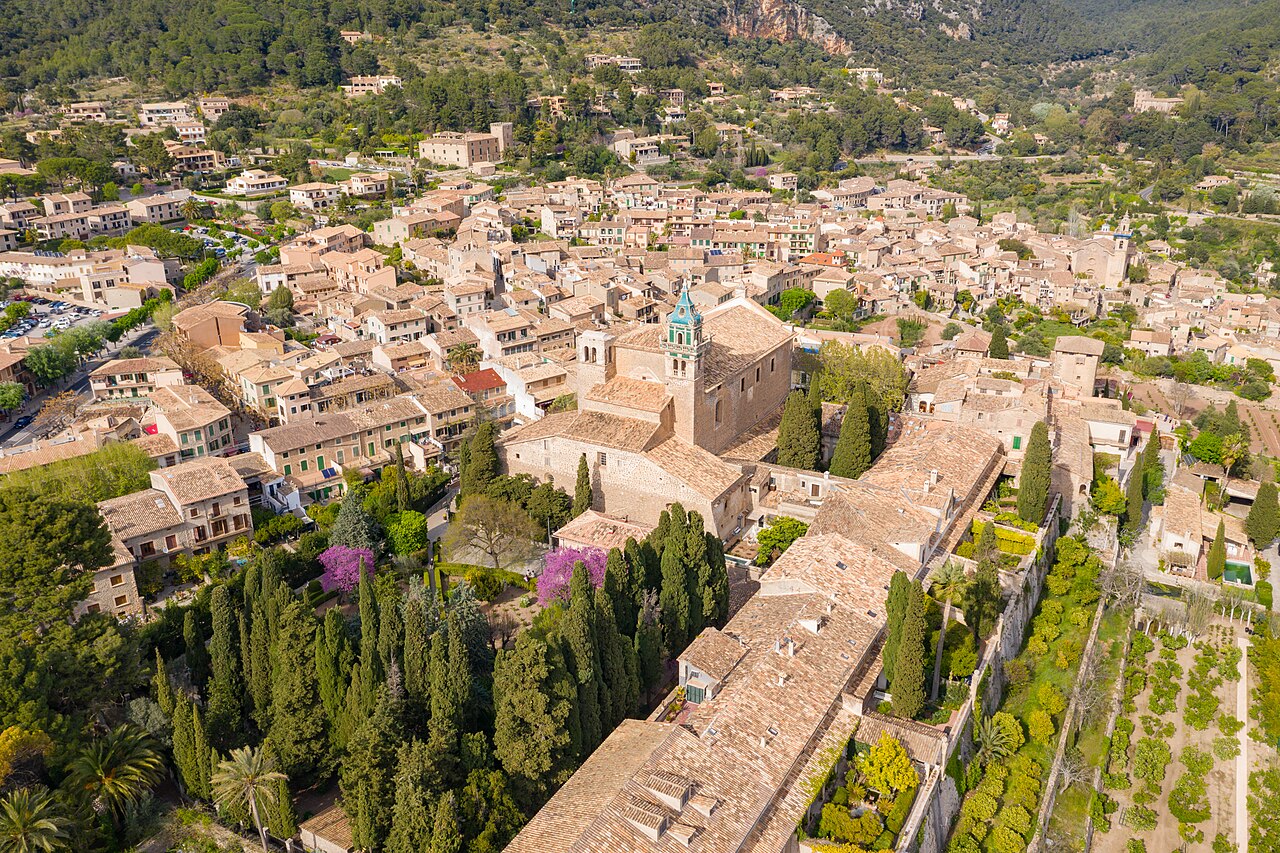
Take the Sóller train over the Tramuntana, wander Sóller’s square and ride the tram to Port de Sóller for lunch. On another day, Valldemossa and its Charterhouse make a perfect half day, and the Miró Foundation fits neatly into the afternoon on the way back.
Day three: the east coast
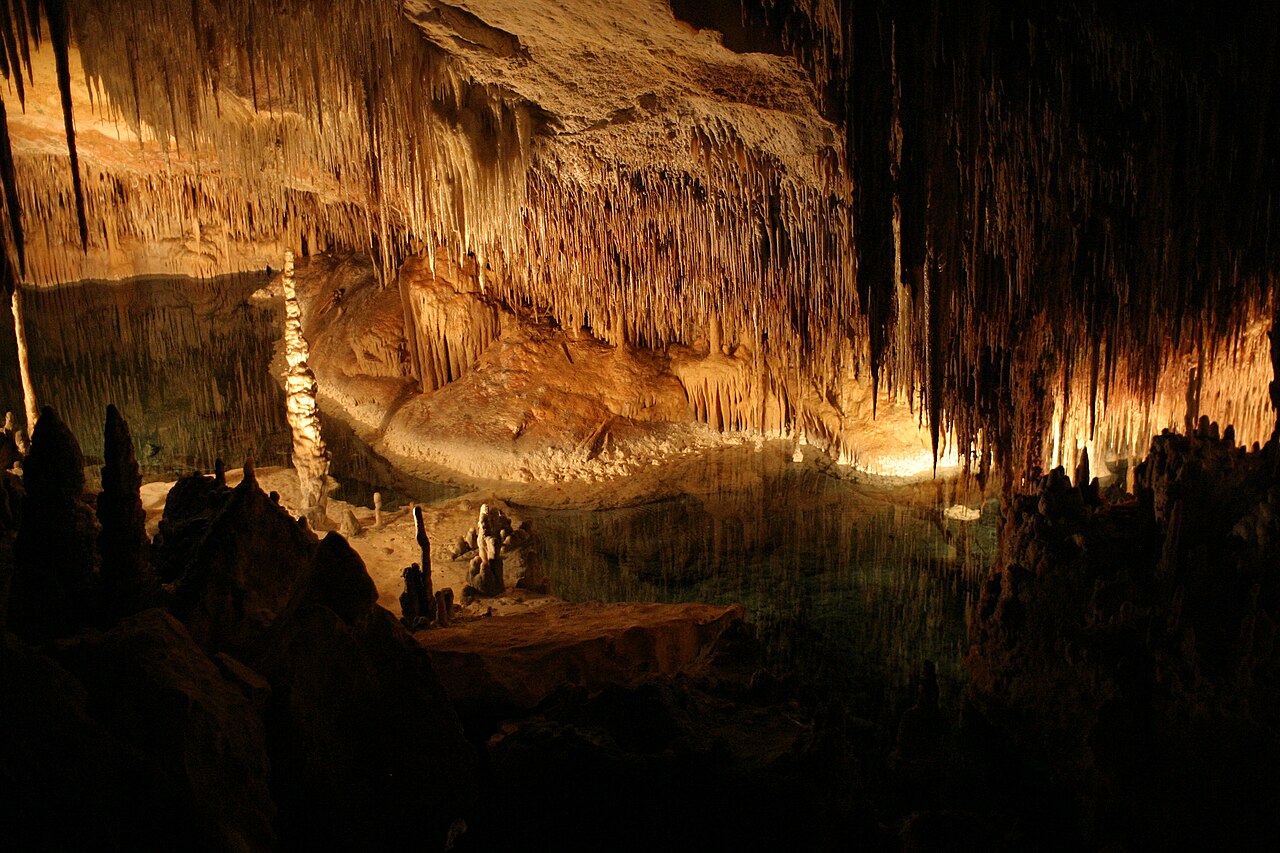
Head to Porto Cristo for the Caves of Drach and the concert on Lake Martel, then add the Cuevas dels Hams and Dinosaurland if you have children or a car. On a wet day, swap in the Palma Aquarium.
Seasons
Late spring and early autumn are ideal, warm enough to swim and quiet enough to enjoy. Summer is hot and busy. From November to March most headline sights stay open with shorter hours, the light is soft and the almond blossom arrives in late winter, but many beach hotels close, boat trips run less often and the Sóller train keeps a reduced timetable, so check before you plan around it.
Money and manners
Cards are accepted almost everywhere, but carry some cash for small cafés and markets. Cover shoulders and knees in the cathedral and churches. Lunch is late, around two, and dinner later still, so book a table if you want one at nine.