Palma Cathedral (La Seu)
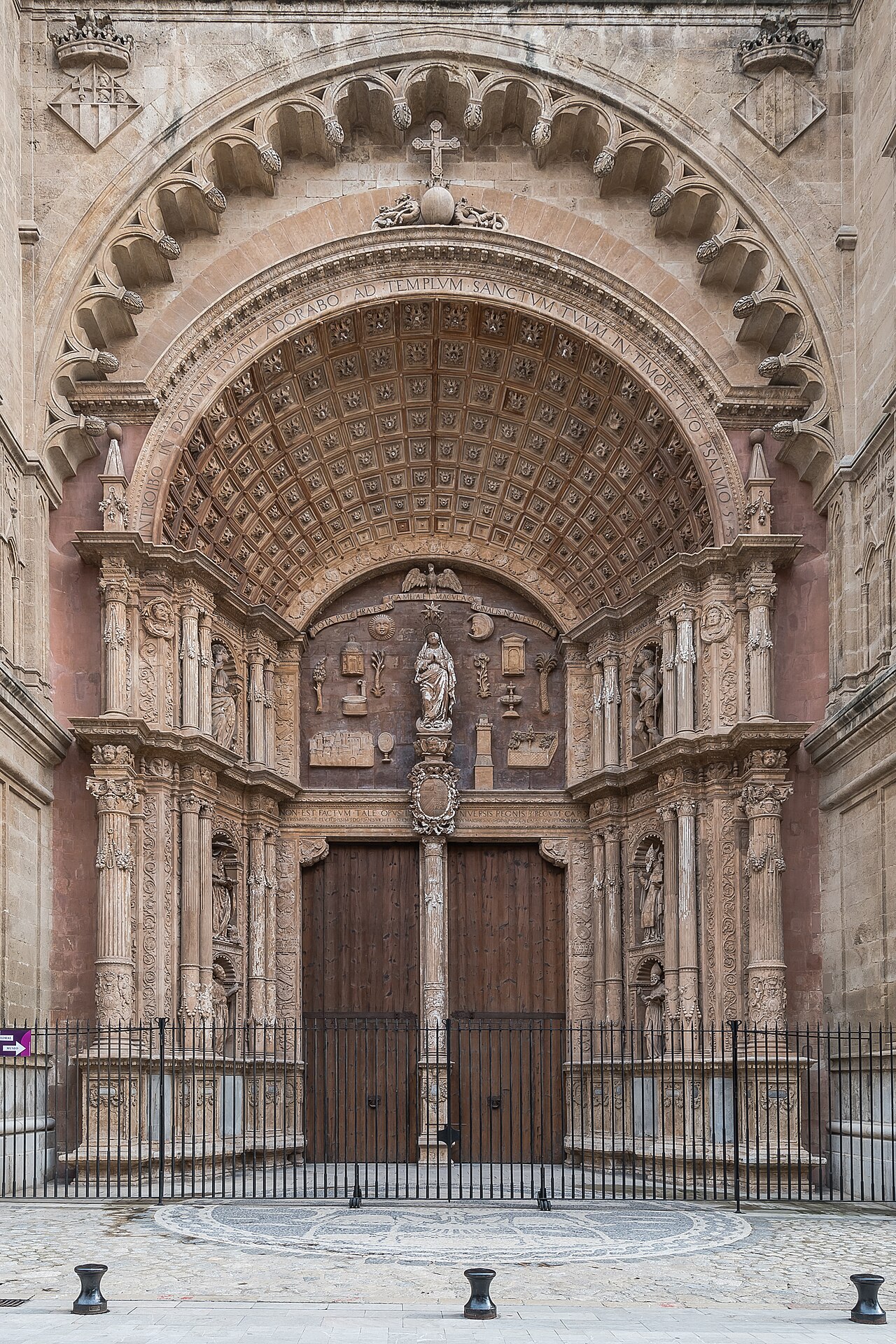
The golden Gothic cathedral that rises straight off Palma’s seafront, with a vast rose window, a canopy by Antoni Gaudí and a chapel remodelled in clay by the Mallorcan artist Miquel Barceló.
Balearic Islands (Spain)
Mallorca is the largest of the Balearic Islands, and it is far more than the beach holiday its reputation suggests.
Its capital, Palma, is a proper Mediterranean city: a Gothic cathedral rising straight off the seafront, a royal palace that began life as a Moorish fortress, a round castle in the pines above the bay, and an old town of honey-coloured mansions, courtyards and tapas bars. Beyond the city the island changes fast. A wooden train from 1912 climbs through thirteen tunnels into the Serra de Tramuntana to the orange-growing valley of Sóller; the stone village of Valldemossa keeps the monastery cell where Chopin spent a famous winter; and on the east coast at Porto Cristo the Caves of Drach end with a concert on an underground lake. This guide focuses on Palma and the classic day trips that work in every season, including the quiet months, when the crowds thin, the light softens and most of the headline sights stay open. You will find which tickets are worth booking ahead, how to get around without a car, which boat trips run when, and which hotel suits your trip, from a palace on a Palma square to a spa hotel in the mountains.
Palma Cathedral (La Seu)
The golden Gothic cathedral that rises straight off Palma’s seafront, with a vast rose window, a canopy by Antoni Gaudí and a chapel remodelled in clay by the Mallorcan artist Miquel Barceló.
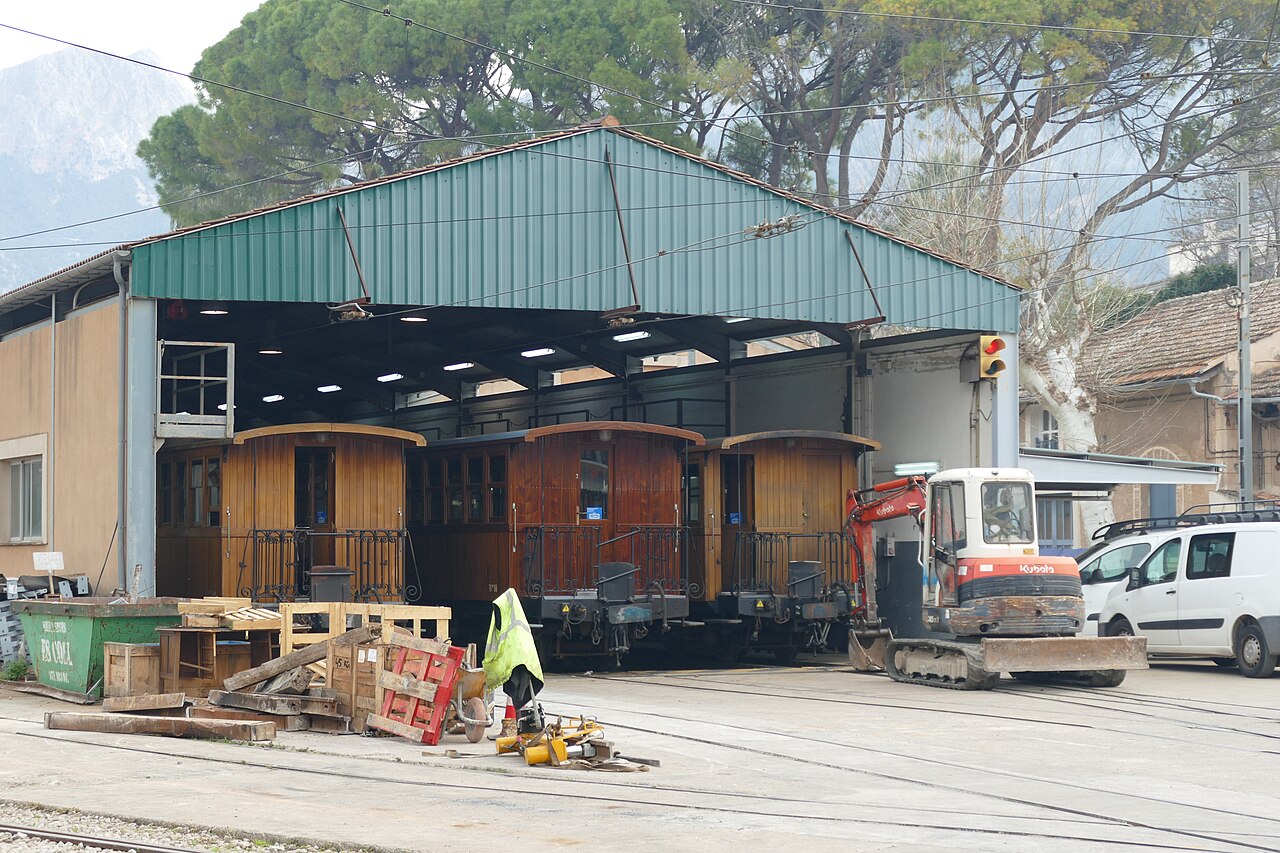
Sóller Train and Tram (Tren de Sóller)
A wooden train from 1912 that climbs from Palma through thirteen tunnels and over the mountains to the orange groves of Sóller, with a vintage tram on to the port. Mallorca’s most charming day trip.
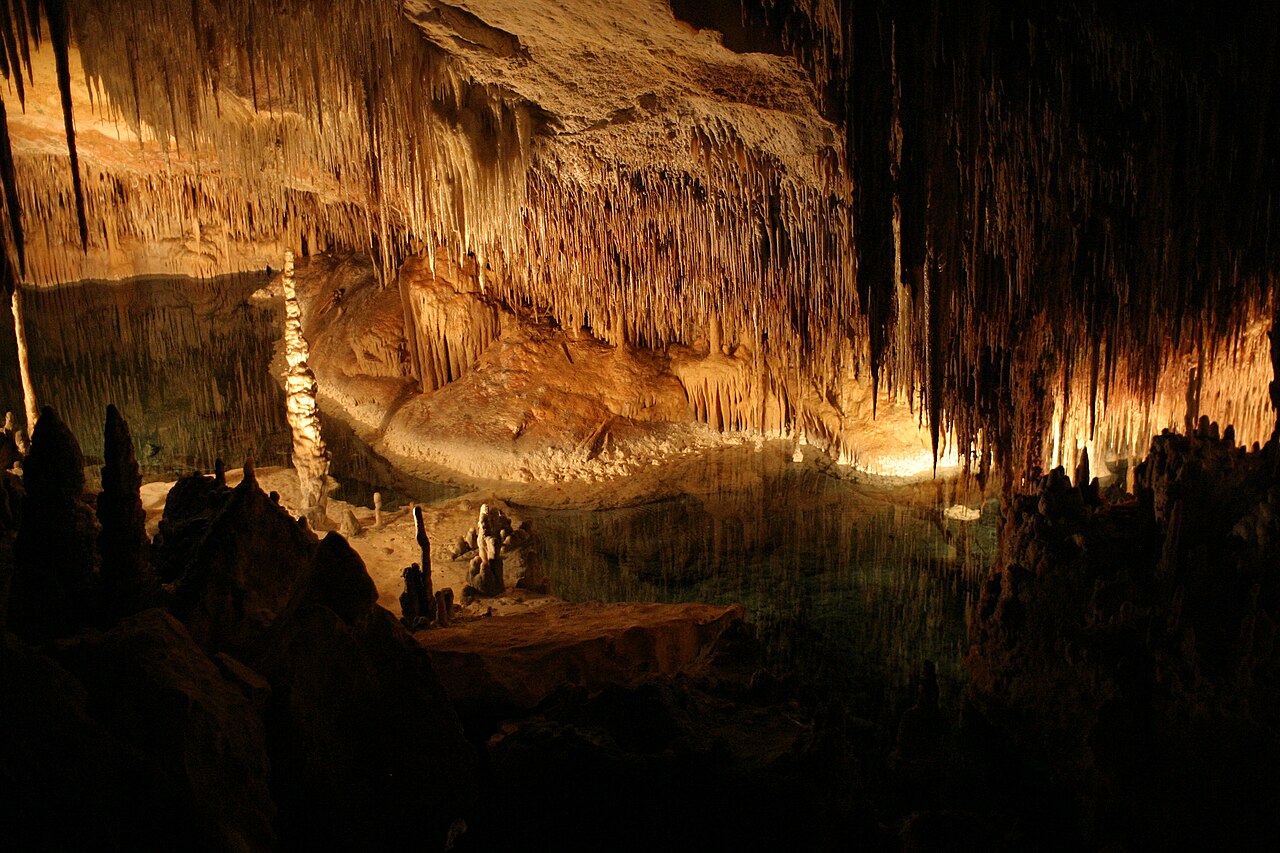
Caves of Drach (Coves del Drac), Porto Cristo
Mallorca’s most famous caves at Porto Cristo, where a long walk past forests of stalactites ends at Lake Martel, one of the largest underground lakes in the world, with a classical concert played from lit boats.
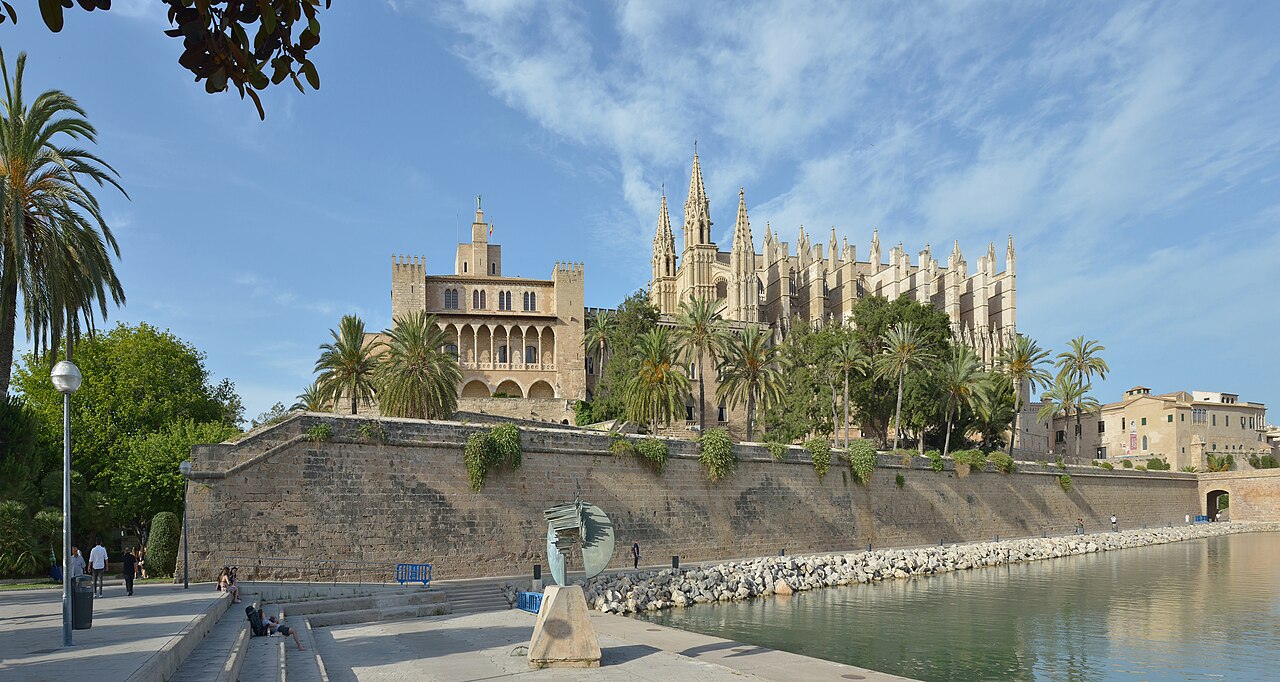
Royal Palace of La Almudaina
A Moorish fortress turned Gothic royal palace beside the cathedral, still an official residence of the Spanish royal family, with tapestry-hung halls, a Gothic chapel and courtyards above the sea.
The golden Gothic cathedral that rises straight off Palma’s seafront, with a vast rose window, a canopy by Antoni Gaudí and a chapel remodelled in clay by the Mallorcan artist Miquel Barceló.
A Moorish fortress turned Gothic royal palace beside the cathedral, still an official residence of the Spanish royal family, with tapestry-hung halls, a Gothic chapel and courtyards above the sea.
The only circular Gothic castle in Spain, set in pine woods on a hill above the bay, with the city history museum inside and sweeping views over Palma, the port and the mountains.
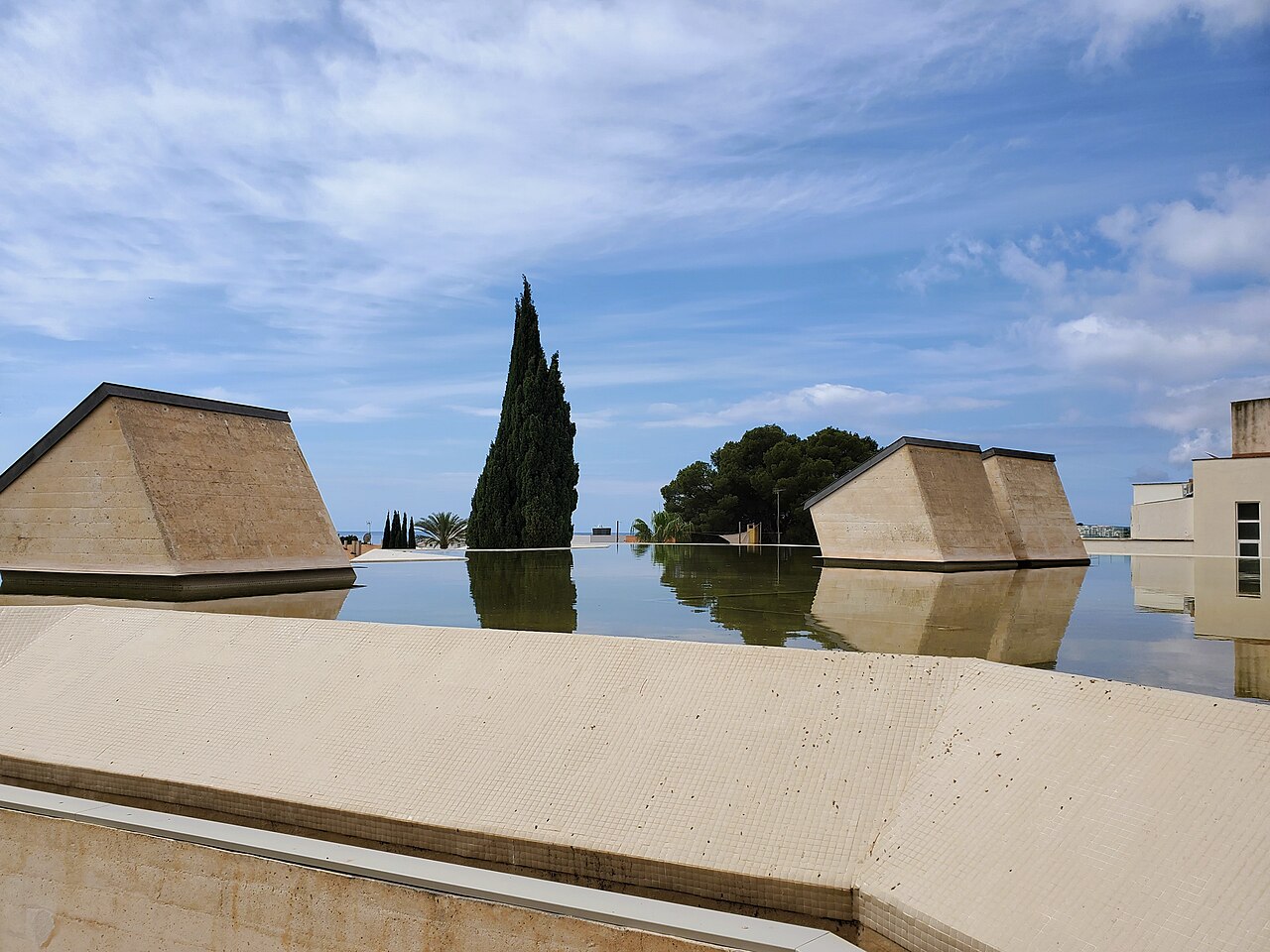
The hillside home and studios where Joan Miró worked for the last decades of his life, with his paint-spattered studio left as it was, a modern gallery of his work and gardens looking out to sea.
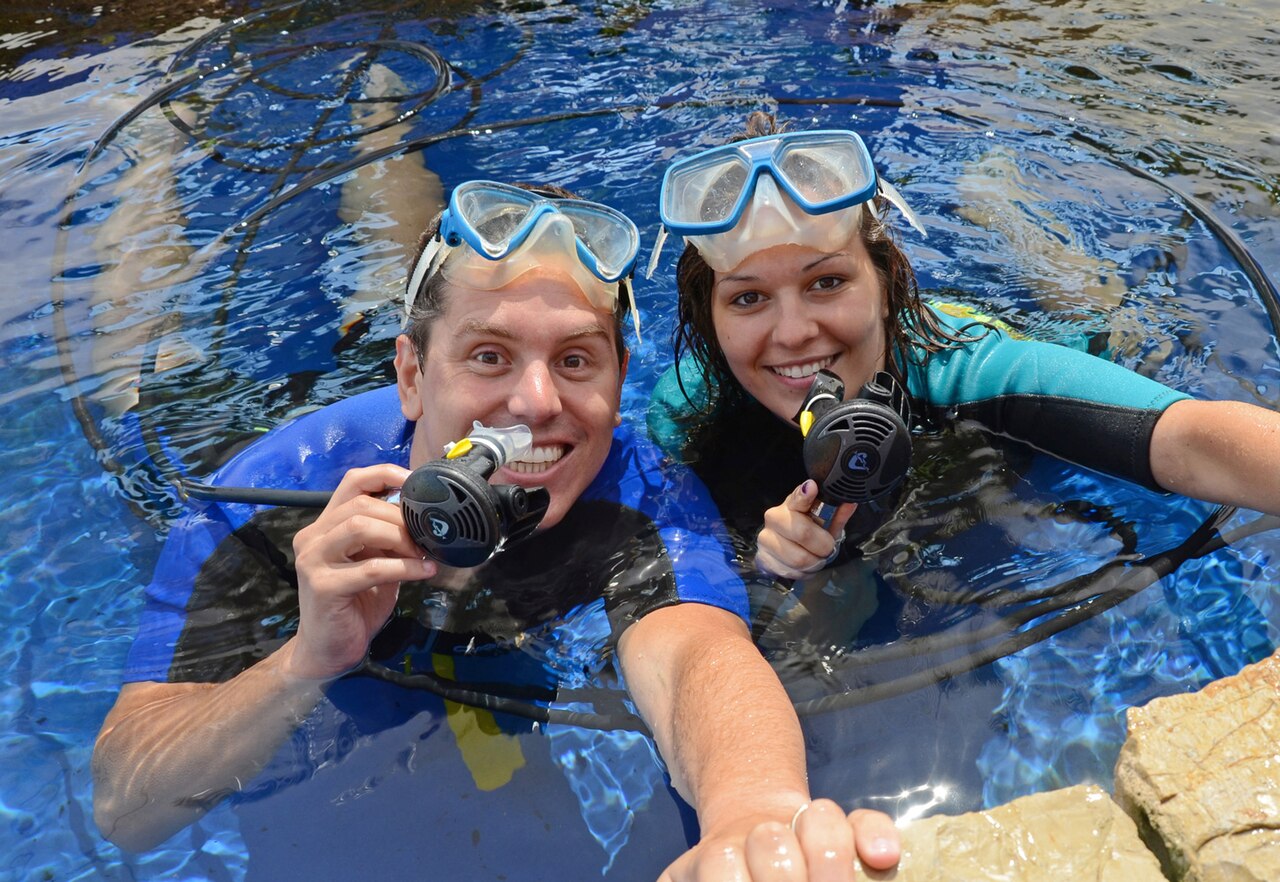
A big, modern aquarium near Palma’s beaches with thousands of animals, a tropical jungle zone and one of the deepest shark tanks in Europe, ideal for families and wet days.
A wooden train from 1912 that climbs from Palma through thirteen tunnels and over the mountains to the orange groves of Sóller, with a vintage tram on to the port. Mallorca’s most charming day trip.
Mallorca’s most famous caves at Porto Cristo, where a long walk past forests of stalactites ends at Lake Martel, one of the largest underground lakes in the world, with a classical concert played from lit boats.
The first show caves in Spain, opened in 1910 just outside Porto Cristo, with fish-hook formations, a musical show on an underground lake and a park of life-size dinosaurs above ground.
See Palma and its coast from the water on a catamaran cruise or a small-group sailing trip from the port, with swimming stops in the warm months and the cathedral skyline behind you.
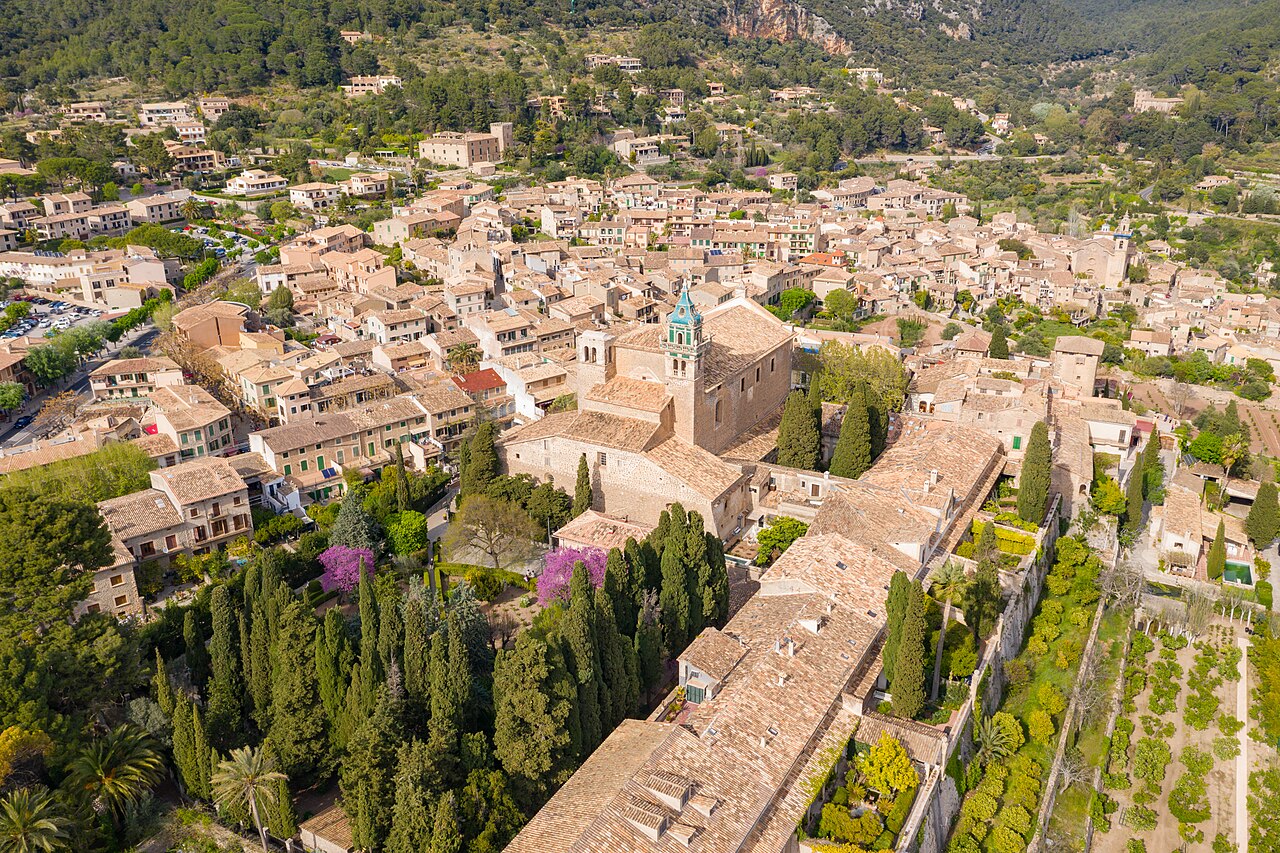
A honey-stone village in the Tramuntana mountains, half an hour from Palma, built around the Charterhouse where Chopin and George Sand spent the winter of 1838 to 1839.
Hotels we would book ourselves, from splurges to good-value bases.
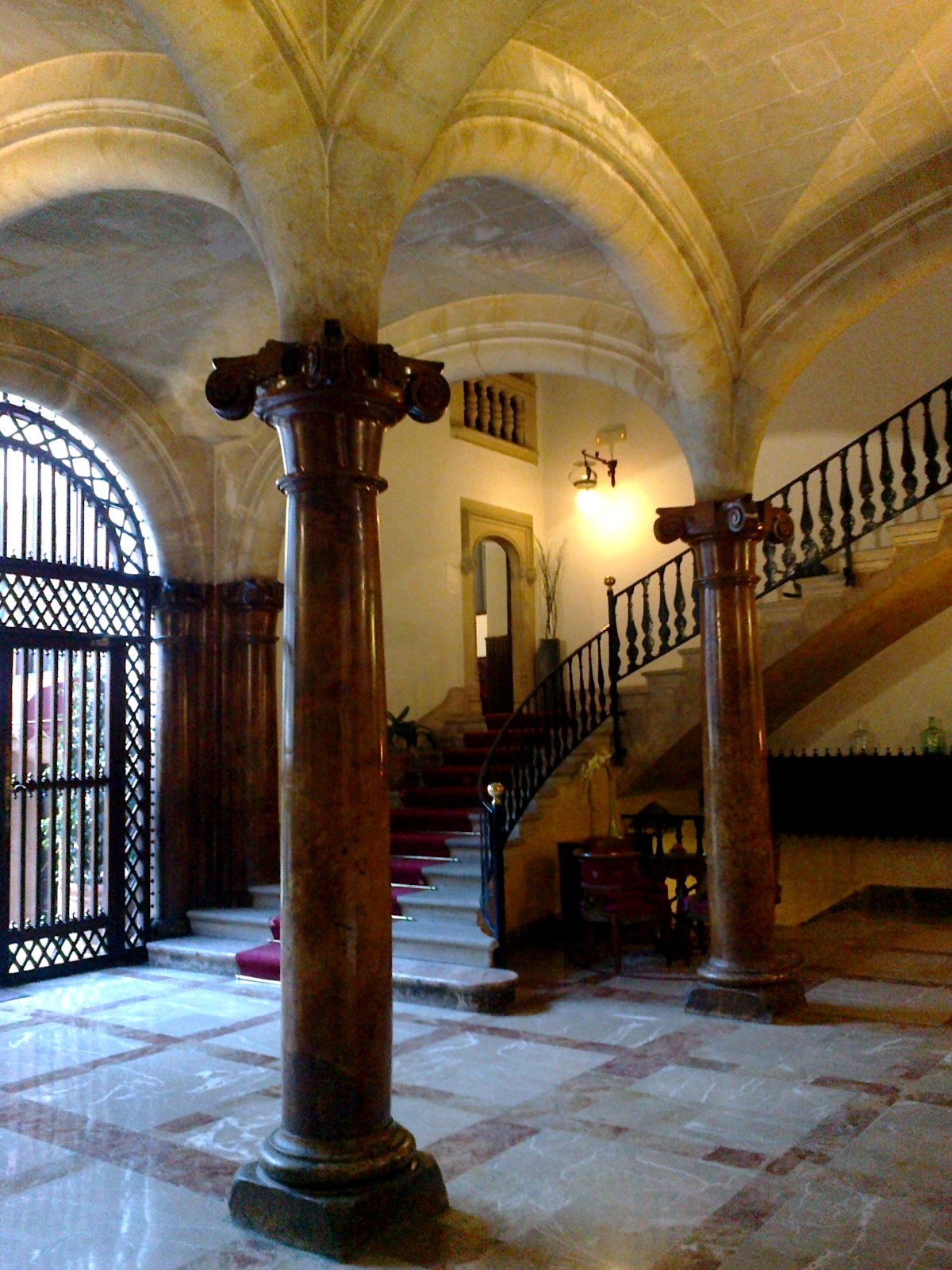 $$
Old Town (Born)
A family-run four-star hotel in a sixteenth-century palace off the Passeig des Born, with a palm-shaded courtyard where breakfast is served and rooms at prices that are rare in the old town.
Check rates →Old Town (Sant Francesc)
Palma’s most polished old-town hotel: a five-star mansion of 1860 on a quiet square, with 42 rooms and suites, a rooftop pool bar over the rooftops and the Quadrat restaurant in the old stables.
Check rates →Old Town (Sant Francesc)
An intimate adults-only hotel of just fourteen rooms in a seventeenth-century palace in the old town, with a courtyard vermouth bar and restaurant and a small spa for two.
Check rates →Portixol and El Molinar
A breezy seafront boutique hotel of 25 rooms in the old fishing quarter of Portixol, opened in 1956, with a pool facing the Mediterranean and a restaurant terrace looking over the little harbour.
Check rates →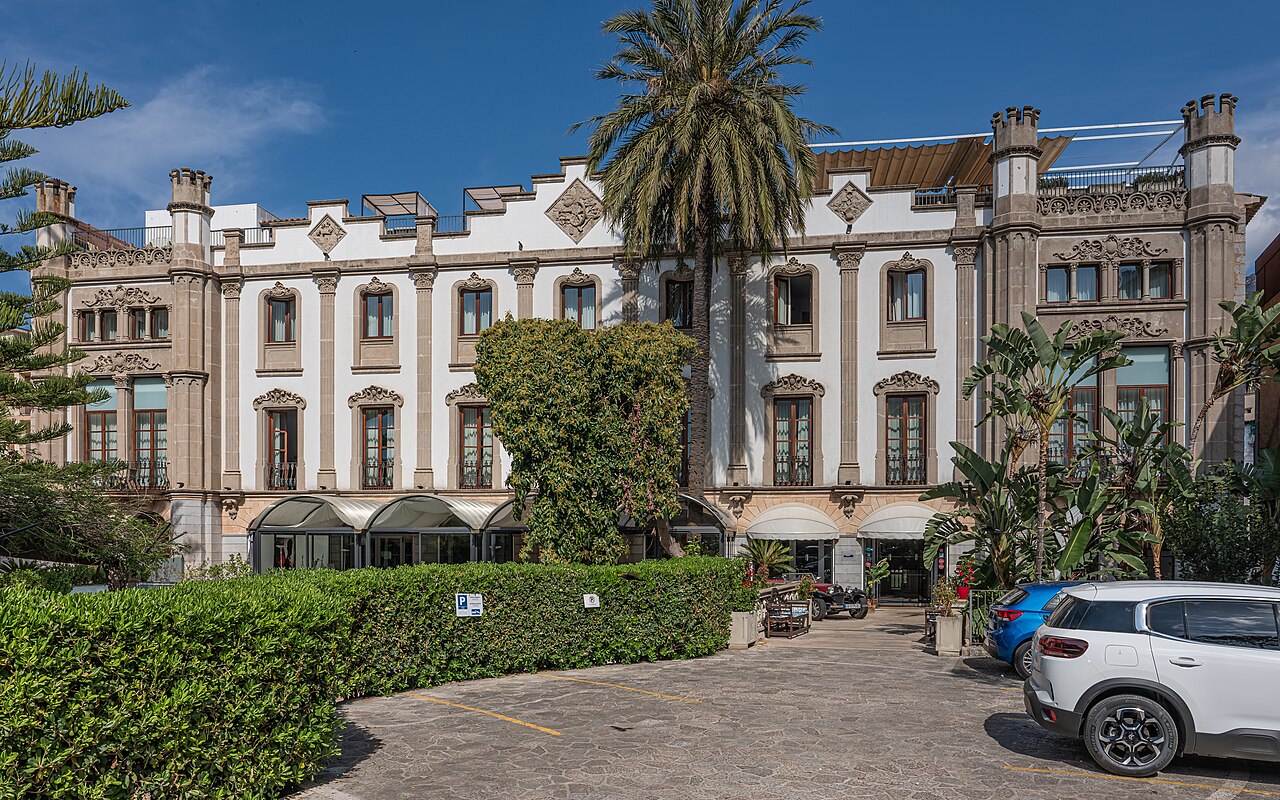 $$$
Sóller
A five-star spa hotel in a grand nineteenth-century building in the centre of Sóller, a short walk from the vintage train, with a rooftop pool, a heated indoor spa pool and mountain views.
Check rates →The practical primer for a first visit to Mallorca and Palma: what is worth booking ahead, getting around without a car, how many days you need and how to fit the cathedral, the Sóller train and the caves into one trip.
How to choose your base in Mallorca, from palace hotels in Palma’s old town to a seafront hotel at Portixol and a spa hotel in Sóller, matched to the kind of trip you want.