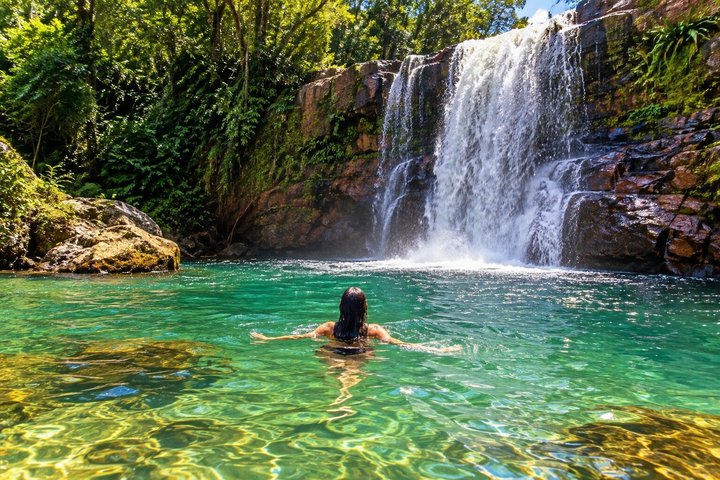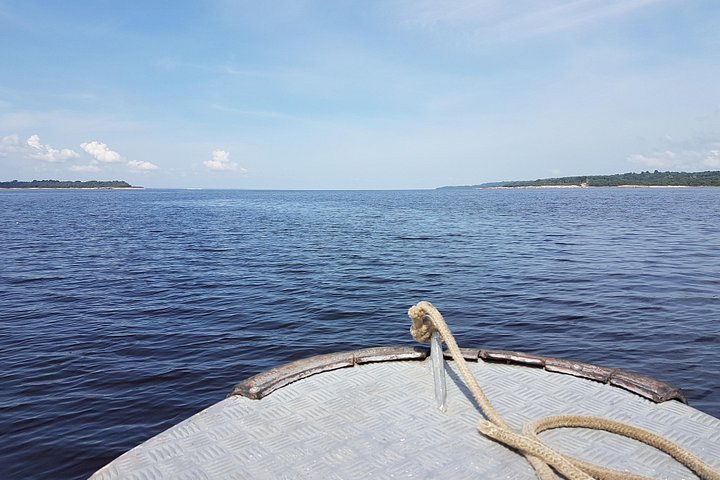
The Anavilhanas Archipelago is a maze of forested islands scattered across a wide stretch of the Rio Negro, upstream from Manaus near the town of Novo Airao. It is protected as a national park and is often described as one of the largest freshwater river archipelagos in the world, with hundreds of islands that appear and disappear as the river rises and falls. The tour linked here is an eight-hour programme that combines a jungle trek with a visit to the archipelago, and it is an efficient way to see a quieter, wilder side of the river than the busy waters near the city. Black water, white sand beaches in the dry months and flooded forest in the wet months make for scenery that changes dramatically with the season.
The journey begins with an early pickup and a drive of a couple of hours to the river, followed by a boat ride among the islands. Guides explain how the forest grows on seasonally flooded land, why the water is stained dark by plant matter and how animals and people adapt to the pulse of the river.
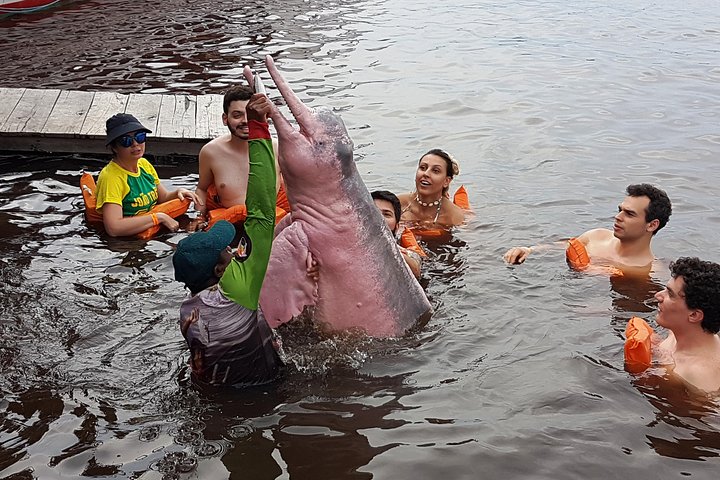
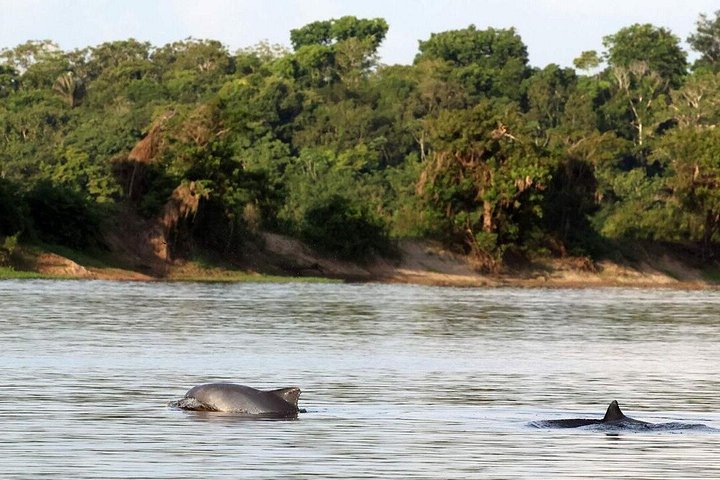
Along the way you may see herons, kingfishers, parrots and perhaps river dolphins, and the calm, almost mirror-like water makes for good photographs, especially in the morning. A forest trek on land adds a close look at trees, palms and medicinal plants, and lunch is usually a simple local meal.
Timing matters. At high water, the forest floods and boats thread among tree trunks, while the islands seem to float. At low water, sandy beaches and banks appear and the archipelago feels like a series of green and white ribbons. Both are beautiful, though activities differ. Ask the operator what to expect in your month, and whether swimming or kayaking is possible. The long drive and boat ride make this a full day, so wear comfortable clothes, bring a hat, sunscreen, repellent and water, and prepare for humidity and brief downpours.
The park has a conservation role. It protects flooded forest habitat for manatees, river dolphins, many fish species and a wide range of birds, and visitor numbers are modest compared with more famous parks. Responsible operators keep groups small, avoid disturbing wildlife and follow rules about where boats can go. Respect those limits, take rubbish with you and listen to your guide. If you plan to continue to a lodge or a longer trip in the area, ask about eco-friendly practices and how local communities benefit.
This tour is a good alternative to the Meeting of the Waters for travellers who have already seen the confluence or who prefer a calmer, wilder outing. It also pairs well with an overnight stay if you want more time on the water. On a first visit to Manaus, it fits as the second or third excursion, after the city and the confluence, when you are ready for something quieter.
Photographers will find plenty to do. The still black water mirrors the trees on calm mornings, and low sun picks out the pale trunks of flooded forest. A polarising filter reduces glare on the surface, and a telephoto lens helps with birds in the canopy. Keep spare batteries, since heat drains them fast, and a dry bag for gear.
Avoid flying drones unless the operator confirms that it is allowed within the park. Even without gear, a simple pause to watch the mist lift from the islands is one of the loveliest moments of a trip to the Rio Negro.
What to expect
The experience
A guided day with a drive from Manaus, a boat trip among the islands and a forest trek on land.
Best time
Any season. Mornings give calm water and birds.
How long
Around eight hours including transfers.
Tips
Start early. Bring water, repellent, sun protection and a dry bag.
Quick picks
- Best for
- Travellers who want a quieter, wilder river day.
- Families
- Suitable for older children who enjoy long days outdoors.
- Couples
- Peaceful scenery and good light.
- Pair with
- A city tour or the Meeting of the Waters on another day.
- Time needed
- A full day.
Good questions
Where is Anavilhanas?+
It lies on the Rio Negro north-west of Manaus, near Novo Airao, a drive of a couple of hours.
Is it a national park?+
Yes. The archipelago is protected, and visits follow park rules.
What changes with the season?+
High water floods the forest and islands, low water reveals beaches and banks.
Can I swim?+
Sometimes. Ask the operator about conditions and safety on the day.
Is it better than the Meeting of the Waters?+
They differ. The confluence is a single spectacle, Anavilhanas is quieter scenery.