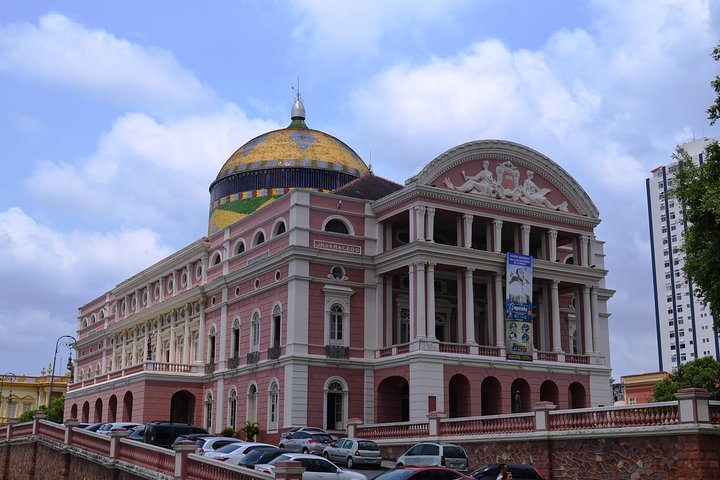
To understand why a grand opera house stands in the rainforest, visit the museum that tells the story of rubber. The Amazon rubber boom, which ran roughly from the late nineteenth century to the early twentieth, turned Manaus into a city of electric light, trams and imported luxuries, and it also rested on a harsh system of labour and extraction that harmed Indigenous and migrant workers. The tour linked here is a visit to the Rubber Museum in Manaus with transport and guidance, and it adds the human and economic story to the city architecture. Displays typically cover rubber tapping, the processing of latex, the trade routes to Europe and North America, and the way the boom ended when plantations in Asia took over the market.
Seeing objects makes the story concrete. Tools used by rubber tappers, photographs of river steamers and merchant houses, maps of trade routes and examples of early rubber goods fill the rooms. A guide can explain how a tapper worked in the forest, how latex was smoked into balls, and how debt systems tied workers to bosses. The museum does not shy away from the harsh side of the era, and a thoughtful visitor leaves with a more complex view of the glamour outside.
The museum is in the historic centre, within walking distance of the opera house, the market and the waterfront. A good plan is to start with the museum in the morning, when it is quiet and cool, then walk to the theatre and the market. The centre can be hot and busy by midday, so take breaks in cafes and carry water. Opening hours and any closing days vary, so check in advance and plan for modest time inside, usually an hour or so.
Context also helps when you travel on the river. Villages along the Rio Negro and the Amazon still carry traces of the rubber era, in place names, old trade posts and family stories. Guides on lodge trips sometimes demonstrate rubber tapping on a tree, and having seen the museum gives that moment more meaning. Some visitors also pair the museum with a reading list, as the rubber boom has inspired novels and histories.
Dress comfortably and bring a small bag. Photography rules differ among exhibits, so follow signs. If you travel with children, a short visit focused on the objects and photographs works better than trying to read every panel. For history lovers, the museum is a highlight of the city, adding depth to the Belle Epoque architecture that most visitors admire only from the outside.
If you want to dig deeper, ask the guide about the people who worked in the boom, including Indigenous communities and migrants from the north-east of Brazil, and about the later wartime revival of rubber production. Reading a short history before you travel will make the displays more vivid, and many visitors find that the museum changes how they look at the grand buildings outside. Take a notebook, ask questions and give yourself time to sit afterwards with a coffee in the shade and think about how fortune and hardship can share the same street.
What to expect
The experience
A guided visit to a museum on the rubber boom in the historic centre of Manaus.
Best time
Morning, when the centre is cooler.
How long
One to two hours.
Tips
Check opening hours and closing days. Combine with the opera house and the market.
Quick picks
- Best for
- History lovers and curious first-timers.
- Families
- Best for older children.
- Couples
- A quiet, thoughtful stop.
- Pair with
- Teatro Amazonas and the market.
- Time needed
- One to two hours.
Good questions
Why is rubber important?+
The rubber boom funded the grand buildings of Manaus and shaped the region economy and society.
Is it a happy story?+
Not entirely. The boom involved hard labour and exploitation as well as wealth.
Where is it?+
In the historic centre, near the opera house and the market.
How long should I allow?+
One to two hours.
Is it good for children?+
Older children who like history will enjoy it.