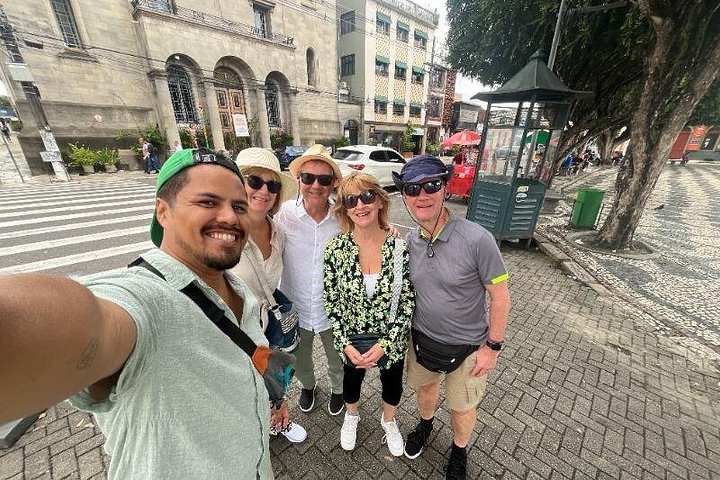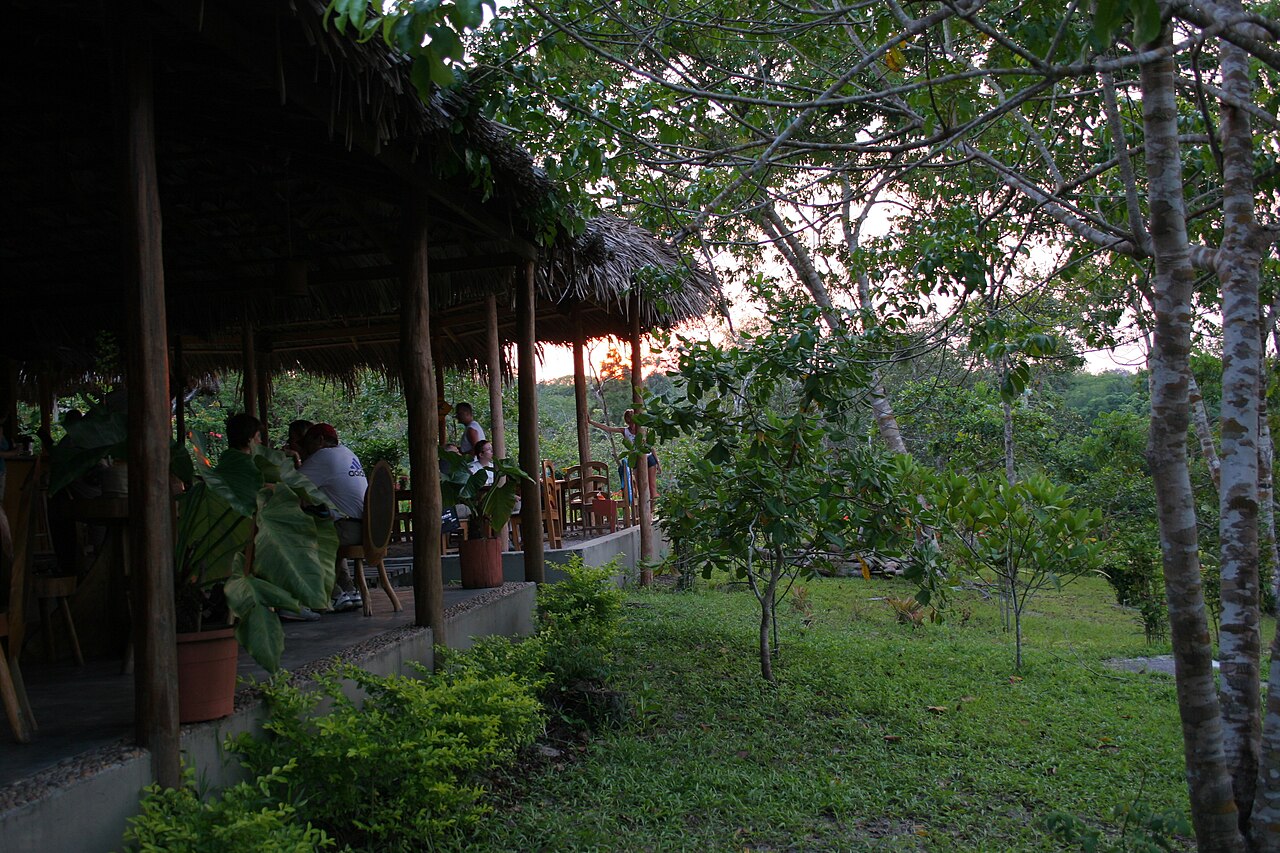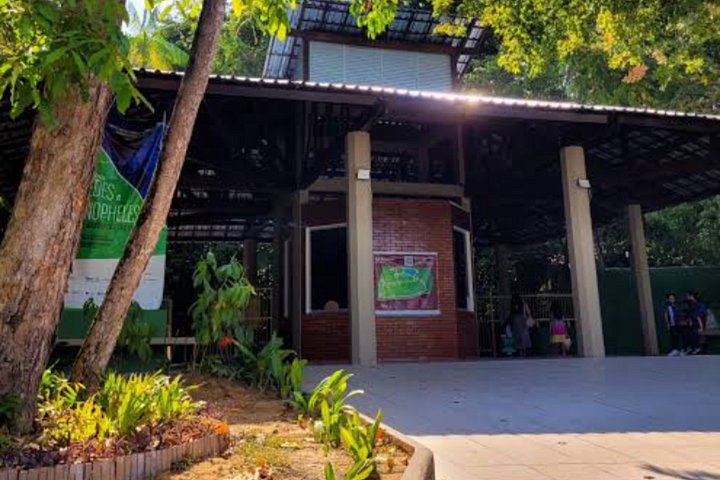
The Bosque da Ciencia, or Science Forest, is a patch of protected rainforest in the middle of Manaus, run by a national research institute. It is small enough to cover in a couple of hours and rich enough to give a first look at Amazon wildlife without leaving the city. Trails wind past ponds and enclosures where manatees, giant otters, caiman and turtles live, among tall trees where you may spot agoutis, monkeys and birds. The tour linked here is a private visit with a guide, which adds explanation and flexibility. The park is popular with local families and school groups, and a guide helps you make sense of what you see, from the biology of the manatee to the role of the research institute in studying the region.
What you see depends on the day. Manatees surface to breathe in their pool, giant otters play and call loudly, and caiman lie still in the shade. Signs describe each species, but a guide adds stories about rescue and rehabilitation, diet and behaviour. Trails are short and mostly flat, shaded by large trees, and benches give places to rest. The forest feels cooler than the streets, although humidity remains high. Early morning is the best time for activity, both animals and people.
Practical details matter. Opening hours and any closing days vary, so check before you plan, and expect modest entry fees where applicable. The park lies in a residential area, and taxis or private transfers are the easiest way to reach it. Bring repellent, water and a hat, and wear light clothes and closed shoes. Photographs are welcome, though flash and loud noise are discouraged around animals. Respect the rules posted at each enclosure, and do not feed the animals.
The visit is useful context for the rest of your trip. Seeing manatees, otters and caiman up close prepares you for the river, where sightings are more fleeting. It also introduces the institute that studies Amazon biodiversity and the challenges facing river species, from habitat loss to pollution. Children usually enjoy the otters most, and the shaded paths make the visit comfortable for older travellers and those who prefer a gentle pace.
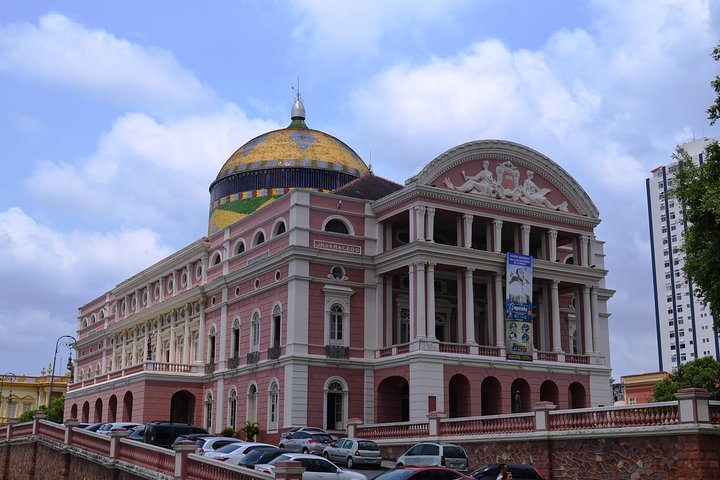
The Science Forest fits neatly into a city day. Combine it with the Museum of the Amazon in the morning and the historic centre in the afternoon, or with a rainy-day plan when river trips are less appealing. It is also a gentle choice for the first morning after a long flight, when you want something easy but interesting before the bigger excursions begin.
Keep expectations realistic and kind. The animals here are in a managed park, and some are rescued or rehabilitated, so sightings are more reliable than in the wild, but behaviour still varies with the time of day and weather. Move quietly, follow signs about distances and avoid tapping glass or throwing anything into pools.
Take your time at each enclosure, because patience often brings a manatee to the surface or an otter to play. Combined with a longer river trip later in your stay, the park becomes a useful introduction that helps you recognise what you see in the wild.
What to expect
The experience
A private guided walk through a protected forest park in the city, with manatees, giant otters and caiman.
Best time
Early morning, when animals and visitors are most active.
How long
Two to three hours.
Tips
Check opening hours and closing days. Bring repellent, water and a hat.
Quick picks
- Best for
- Families and anyone wanting easy wildlife in the city.
- Families
- A highlight for children, especially the otters.
- Couples
- Quiet and shaded.
- Pair with
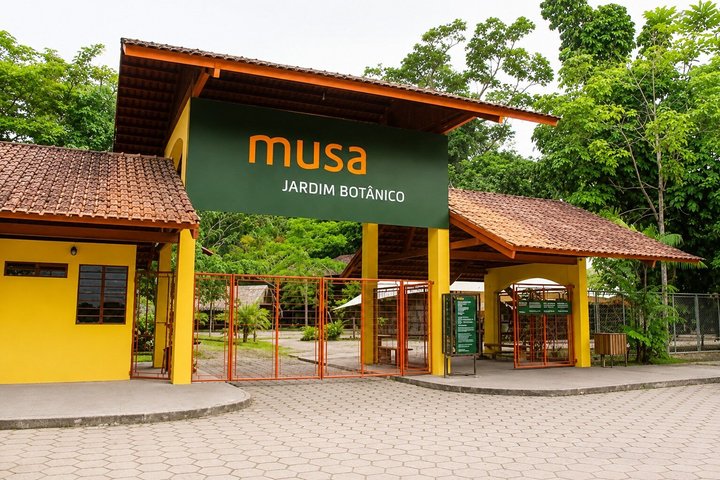
- MUSA or the historic centre.
- Time needed
- Half a morning.
Good questions
What animals can I see?+
Manatees, giant otters, caiman, turtles, agoutis and birds, with monkeys possible.
Is it in the city?+
Yes. It lies in a residential area of Manaus.
Is it good for children?+
Yes. The otters and manatees are favourites.
Is it a zoo?+
It is a research park with enclosures and forest trails, not a typical zoo.
What time is best?+
Early morning, before the heat.