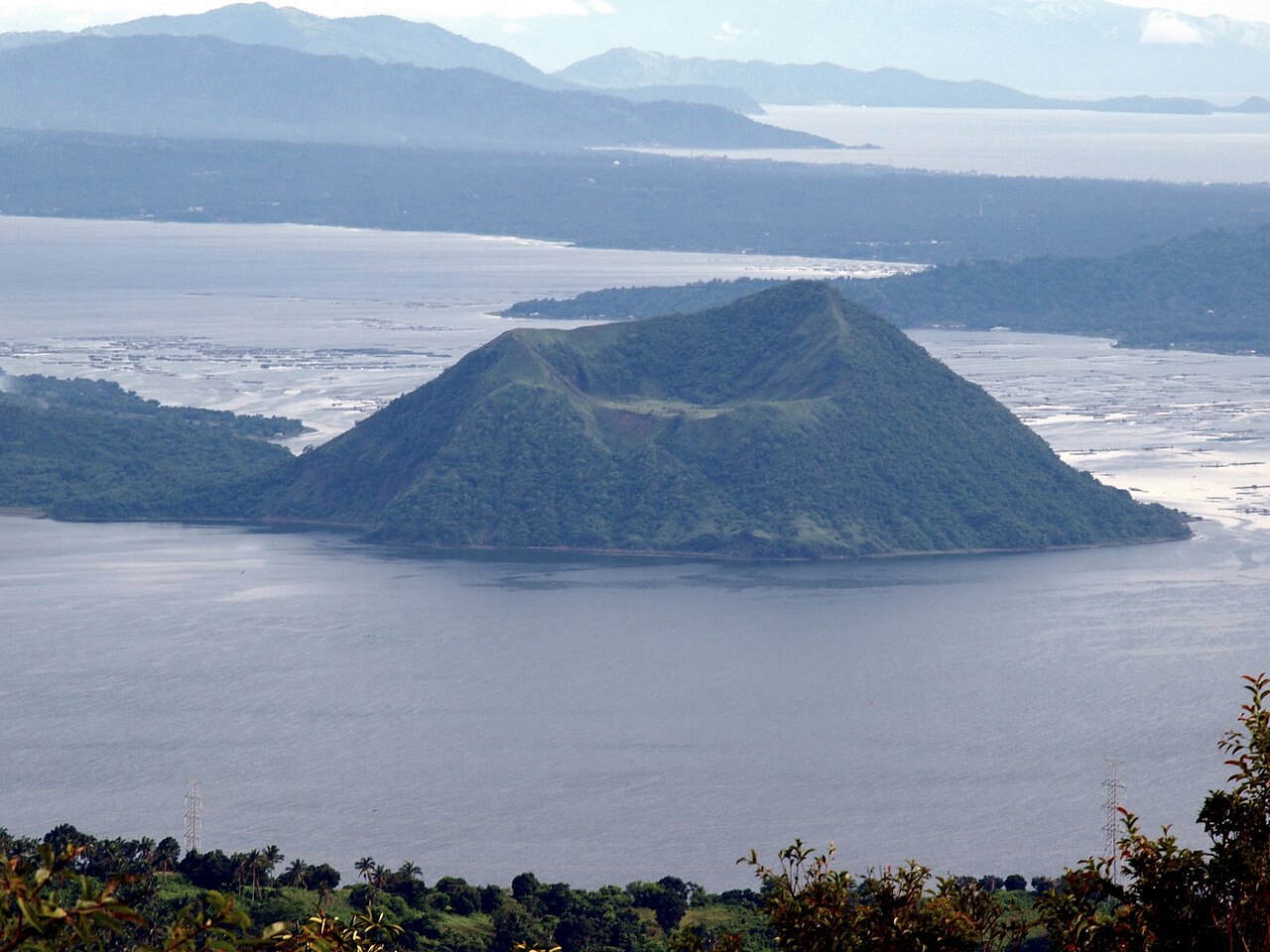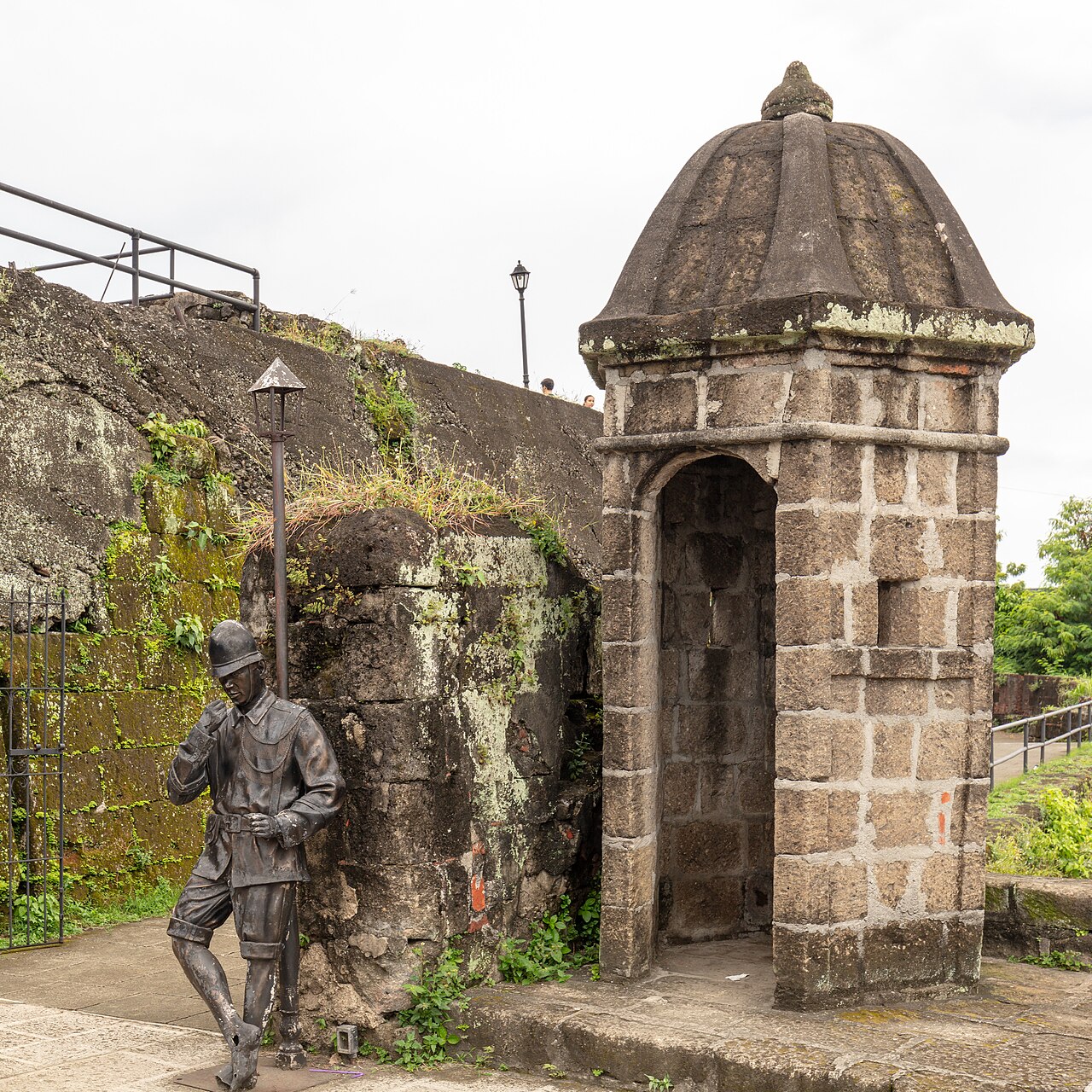
Corregidor is a tadpole-shaped island of about nine square kilometres that guards the entrance to Manila Bay, roughly forty-eight kilometres west of the capital, and it is the most atmospheric Second World War site in the Philippines. The Spanish used it as a lighthouse station and signal post, and after 1902 the Americans turned it into Fort Mills, a fortress of concrete batteries, barracks, a hospital and a tunnel complex built into the rock. In the first months of 1942, after the Japanese invasion of Luzon, it became the last stronghold of the American and Filipino forces on Bataan and in the bay. General Douglas MacArthur left the island by torpedo boat in March 1942, promising to return, and Corregidor surrendered in May after weeks of bombardment. American paratroopers and amphibious forces retook it in February 1945. Today the island is a memorial park: the ruined Mile-Long Barracks stand roofless above the parade ground, rusting 12-inch guns still point out over the water, and the Pacific War Memorial and its museum honour the American and Filipino dead. It is a sobering, beautiful and surprisingly green day out.
How the day works
This is a day tour from Manila, and the tour title also mentions Bataan, so expect road travel on the mainland as well as the crossing to the island. Check the pickup point, the departure time and the exact itinerary when you book, because operators vary the order of stops.
Most visitors reach Corregidor by ferry across Manila Bay, a crossing of roughly an hour or a little more, and then ride the island by open-sided tram or shuttle between the main sites. Allow a long day, often ten hours or more from pickup to drop-off, and book a morning departure so that you are not rushed.
What to see
The Malinta Tunnel is the island’s best-known landmark, a long main tunnel with lateral galleries that served as MacArthur’s headquarters and a hospital in 1942, and tours often include a short light-and-sound presentation inside it. Topside, the batteries are the main draw: Battery Way, with its heavy mortars, Battery Hearn, with a huge disappearing gun, and the pits around the island that show how the fortress was meant to bar the bay.
The Mile-Long Barracks, the Spanish lighthouse, the Filipino Heroes Memorial and the Japanese Garden of Peace round out the circuit. The Pacific War Memorial, a domed monument with a small museum, is a calm place to finish.
Making the most of it
Wear a hat, sunscreen and sturdy shoes, because the island is hot and hilly and much of the walking is on uneven ground. Bring water and a light rain jacket in the wet season. The sea can be rough in typhoon season, from roughly June to October, and ferries are sometimes delayed or cancelled, so build a flexible day into your plans and read the cancellation terms.
Keep to the marked paths, because old ordnance and unstable ruins remain in parts of the island. Pair it with the Manila American Cemetery on another day for a fuller picture of the war in the Philippines, and with Fort Santiago in Intramuros, which also played a part in 1945.
What to expect
The experience
A guided day trip from Manila with a ferry crossing to Corregidor and a tram or shuttle circuit of the tunnel, batteries, barracks and memorials.
Best time
The dry season, roughly December to May, when the sea is calmest and the island is at its most pleasant, with an early morning departure.
How long
A full day, often ten hours or more from pickup to drop-off.
Tips
Check the pickup point and itinerary when you book, wear sturdy shoes, a hat and sunscreen, and keep a spare day in case rough seas delay the ferry.
Quick picks
- Best for
- History lovers and anyone who wants to understand the Second World War in the Philippines, with a dramatic island setting.
- Families
- Older children who like tunnels, guns and ruins will enjoy it, but the day is long, hot and physical for very young ones.
- Couples
- A different kind of day out, with sea air, wide views from the batteries and a quiet, reflective finish at the memorial.
- Pair with
- The Manila American Cemetery and Fort Santiago, which together tell the rest of the story of the 1942 to 1945 war.
- Time needed
- A full day, starting early, with a flexible evening.
Good questions
How do you get to Corregidor from Manila?+
Most visitors take a ferry across Manila Bay, a crossing of roughly an hour, then tour the island by tram or shuttle. A day tour from Manila arranges the transfers, so check the pickup point and itinerary when you book.
How long does a Corregidor day trip take?+
Plan on a full day, often ten hours or more from pickup to drop-off, including the crossing, the island circuit and road travel on the mainland.
What is Malinta Tunnel?+
It is a large tunnel complex inside Malinta Hill that served as General MacArthur’s headquarters and a hospital in 1942. Tours usually include a walk through it with a short presentation.
Why is Corregidor famous?+
It was the last stronghold of American and Filipino forces in 1942, surrendering to Japan in May that year, and it was retaken by American forces in February 1945. Today it is a memorial park with batteries, ruins and the Pacific War Memorial.
When is the best time to visit Corregidor?+
The dry season, from about December to May, has the calmest seas and the most comfortable weather. In the rainy season and typhoon months, crossings can be rough or cancelled, so leave a spare day.