Marbella enjoys one of the mildest climates in Europe, with long, sunny summers and gentle winters. Yet each season offers a different experience, and the best time depends on whether you want the beach, the mountains or the quiet. Here is how the year unfolds.
Spring
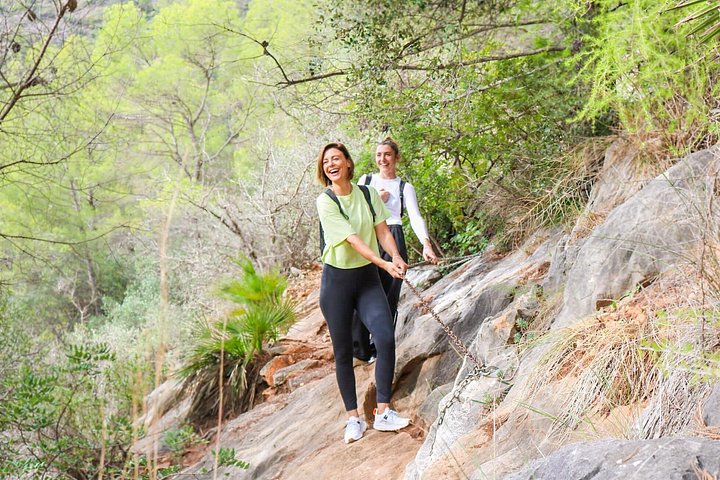
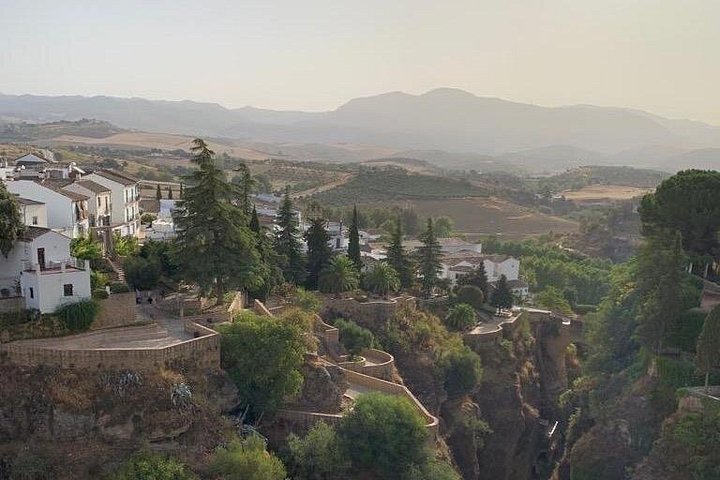
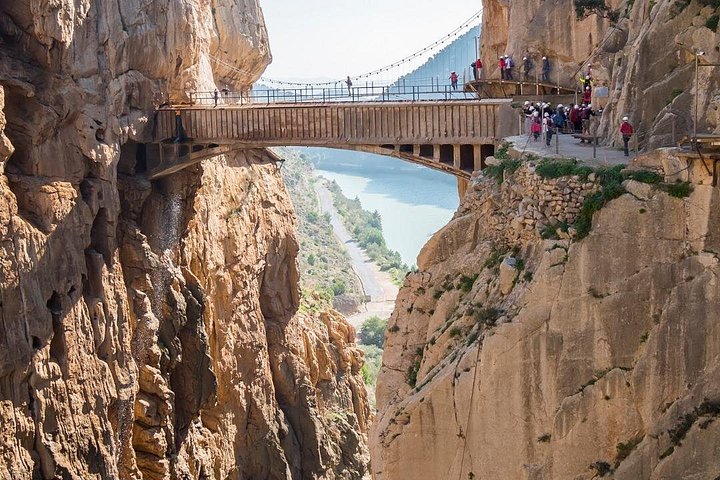
From March to May, temperatures climb to comfortable levels and the hills are green. Spring is ideal for hiking, the Caminito del Rey, Ronda and the flower-lined lanes of Estepona. The sea is still cool for swimming, but beach days are pleasant in the sun. Holy Week, usually in March or April, brings processions and busy hotels, so book early if you travel then.
Summer
June to September is hot, busy and expensive. The sea is at its warmest and beach clubs are in full swing. Sightseeing is best in the early morning and evening, with the middle of the day for the pool or the sea. August is peak season for Spanish holidaymakers, so expect crowds and high prices. Mountain towns such as Ronda are cooler and provide relief.
Autumn
October and November are lovely. The sea is still warm from the summer, the crowds thin out, and prices fall. Autumn is a fine time for hiking, wine tours and city sights. Rain showers become more likely, but sunny days remain common. The wine harvest adds interest to winery visits in the hills.
Winter
December to February are mild, with many sunny days, although the air can feel cool in the evening and the sea is cold. Winter suits golfers, walkers and visitors who want a quiet, inexpensive break. Some beach clubs and seasonal businesses close, and boat trips run less often. Mountains can be cold and occasionally wet, so pack layers for Ronda.
Crowds and prices
The busiest and costliest periods are July, August, Easter and the Christmas holidays. Shoulder seasons, spring and autumn, give the best mix of weather, availability and value. If you want a quiet stay with sightseeing, aim for April, May, late September or October.
Sea and swimming
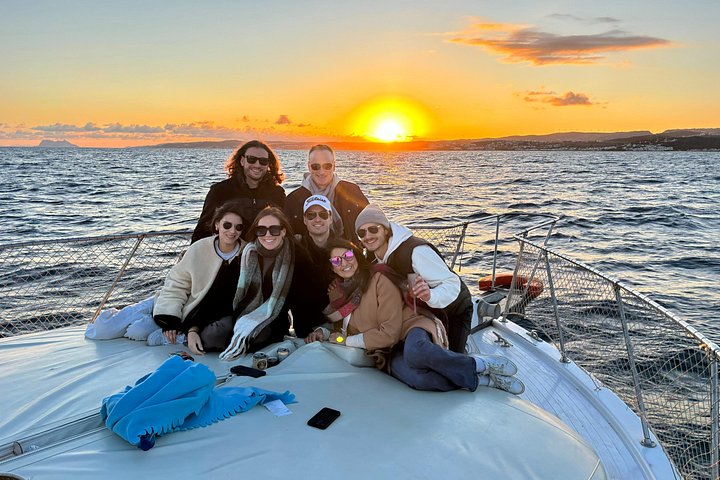
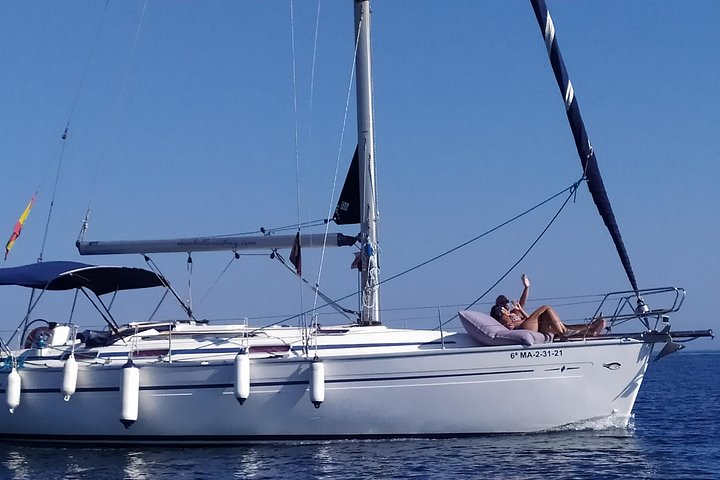
The Mediterranean warms slowly. From June to October it is comfortable for most swimmers, and it peaks in late summer. In spring and winter, only the hardy swim, but sunbathing is common. Boat trips and dolphin cruises are most reliable in calm weather, which is common in summer and early autumn.
Activities by season
Hiking and the Caminito del Rey are best in spring and autumn. Canyoning is most refreshing in summer, when the water is a relief. Winery tours shine in autumn. Dolphin cruises and sailing are best from late spring to early autumn. Cooking workshops and food tours work all year.
Events
Holy Week brings processions in the town, and local festivals and fairs fill the summer calendar. The exact dates change each year, so check local calendars when you plan. Festivals bring music and a lively atmosphere but also higher hotel demand.
What to pack
In summer, bring light clothes, a hat, sunscreen and swimwear, with a smart outfit for dinner. In spring and autumn, add layers and a light rain jacket. In winter, pack a warm jacket for evenings and the mountains. Comfortable shoes are essential in every season for cobbled lanes and trails.
Our pick
For the best balance, choose late April to early June or mid-September to October. You get warm days, open attractions, manageable crowds and good value, and every tour in this guide runs well in those months.
A note on weather risks
Strong easterly or westerly winds can affect boat trips and beach comfort at any time of year, while heavy rain, though rare, can close mountain paths and gorge walks for a day or two. Heat waves in July and August can push temperatures well above 35 degrees Celsius, so plan sightseeing carefully and drink plenty of water. Check forecasts a few days ahead and keep your schedule flexible, with a backup plan for indoor activities. If your dates are fixed in the middle of summer, book beach clubs and popular tours early, and use the cooler mountains for at least one day of your stay.