Marbella’s restaurant scene ranges from a bar where locals stand at the counter with a plate of fried anchovies to beach clubs where a lunch bill can rival a hotel room. Knowing the difference helps you eat well without overspending. This guide covers what to order, when to eat and where to look.
The Andalusian table
The coast is built on seafood and olive oil. Look for fried fish (pescaito frito), grilled sardines on skewers called espetos, fresh prawns, and squid. Inland dishes include stews, cured ham, and pork. Gazpacho and salmorejo, cold tomato soups, are refreshing in summer. Olives, almonds and local cheese appear everywhere, and desserts often feature almonds, honey and fruit.
How tapas work
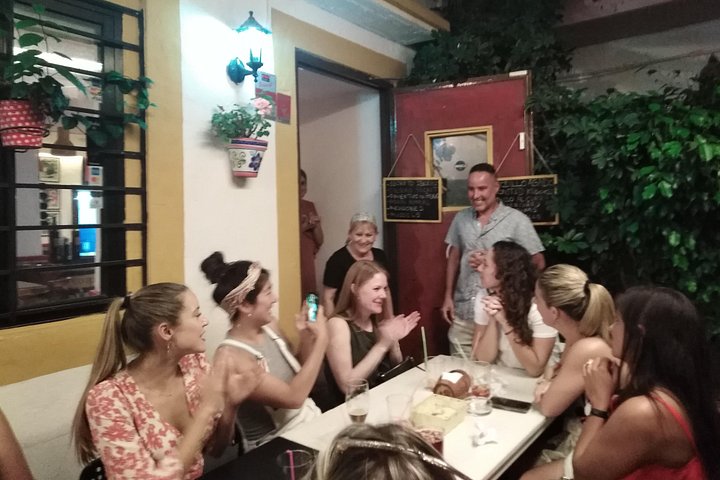
In many bars, a drink comes with a small free plate, though the custom varies. Order a few dishes at a time and share, moving from bar to bar rather than staying at one table. Raciones are larger plates for sharing, and media raciones are half portions. Pay at the end, and ask for the bill by catching the server’s eye rather than waiting to be offered it.
When to eat
Spaniards lunch at about two and dine after nine. Restaurants that open at seven may cater to visitors, but the atmosphere is livelier later. If you are hungry earlier, bars serve tapas through the afternoon. Many restaurants close on Sunday evening or Monday, so check before you set your heart on one.
The old town
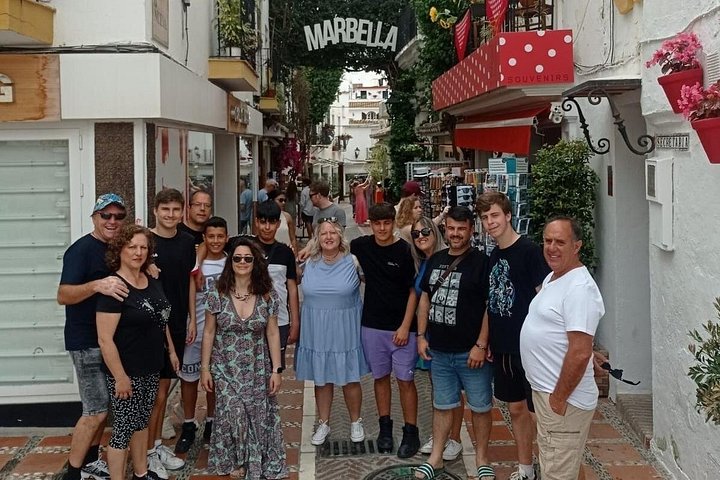
This is where you will find the best value and the most character. Small tapas bars, family restaurants and cafes fill the lanes around Plaza de los Naranjos and the side streets. Prices are moderate, the food is authentic, and the setting is atmospheric. A guided food tour introduces you to the best stops and teaches you how to order.
The marina and beach clubs
Puerto Banus and the Golden Mile beach clubs offer glamour, DJs and high prices. Treat them as an experience rather than a daily habit. Book ahead in summer, expect minimum spends at popular spots, and consider lunch rather than dinner for lower prices. Beach club menus are international, so save the local specialities for the old town.
Beach bars and chiringuitos
Along the coast, simple beach restaurants called chiringuitos serve grilled fish and cold drinks with your feet in the sand. They are one of the great pleasures of the coast, and prices are fairer than at the clubs. Look for those with a crowd of locals and a grill smoking by the beach.
Drinks
Spain’s wines are excellent value, from local reds and whites to the sherry-style wines of Andalusia. Try a glass of dry fino with fried fish, and a cold beer, called a cana, in the afternoon. Vermouth is a popular aperitif, and the Ronda area makes wines worth tasting on a winery tour. Water is safe to drink, though many prefer bottled.
Dietary needs
Vegetarians can find salads, tortilla, vegetable dishes and cheese, but menus lean heavily on meat and fish, so ask. Gluten-free and allergy awareness is growing, but communicate clearly, preferably in Spanish. Cooking classes and food tours can adapt if you tell them in advance.
Tipping and bills
Service is included in prices. Leaving small change or rounding up is customary, with a few euros for a good meal. Cards are widely accepted, though small bars may prefer cash. Check whether a cover charge applies at beachfront venues, and ask the price of fish sold by weight before ordering.
Learn to cook
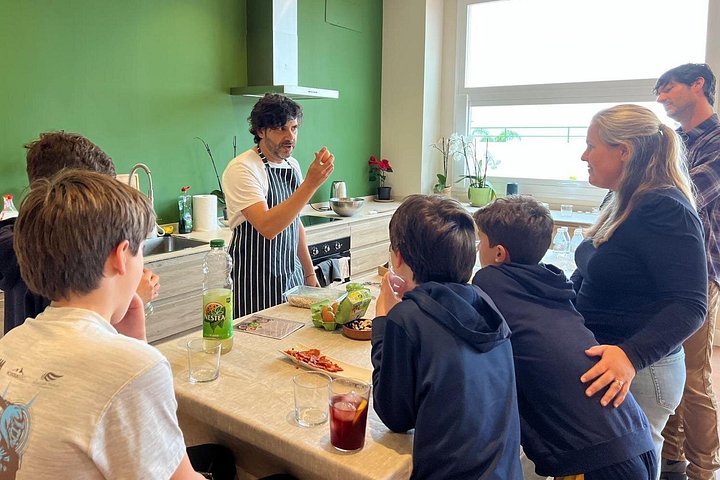
A hands-on workshop turns holiday meals into skills you can use at home, from paella to gazpacho. It also gives a rainy-day plan with a sea view. Pair it with a market visit if you can, so you see the ingredients before you cook.
Market and picnic ideas
For an inexpensive lunch, visit a local market or bakery and assemble a picnic of cheese, ham, olives, bread and fruit to eat on the beach or on a hilltop viewpoint. Many hotels will provide a cool bag or ice if you ask. A picnic is also a good way to enjoy a long day trip to Ronda or the Sierra Blanca without relying on restaurants, though mountain towns have excellent places to eat.