Moroccan food is one of the great cuisines of the world, and the best way to understand it is to cook it. A cooking class in Marrakech typically starts with the building blocks: the spice mix, with cumin, ginger, sweet paprika, turmeric, cinnamon and saffron; preserved lemons and olives; the difference between a tagine of chicken with lemon and olives and one of beef with prunes and almonds; and the cooked salads, such as zaalouk of smoked aubergine and taktouka of peppers and tomatoes, that start a Moroccan meal. Many classes include khobz, the round bread baked in neighborhood ovens, and finish with mint tea poured from a height. Classes are often led by a dada, the traditional family cook, with a guide translating, and take place in a riad kitchen, a rooftop or a farm on the edge of the city; some begin with a walk through a local market to buy vegetables and spices. The linked Tiqets page gathers the classes it sells in Marrakech: a four-hour tagine class with an English-speaking guide for up to twelve people, and a private three-hour class with lunch and transfers, with guides in English, Arabic and French. In each case you cook, then sit down to eat your work, which is the best lunch many travelers have in Marrakech. It suits almost everyone: couples looking for a shared experience, families with children old enough to chop, solo travelers who want company, and anyone who loved a tagine and wants to recreate it at home. Classes are relaxed and no experience is needed.
Choosing a class: decide between a group class, which is cheaper and sociable, and a private class, which can be tailored to dietary needs and tends to be more hands-on. Check whether a market visit is included, whether the class takes place in the Medina or outside the city with transfers, and how many dishes you will make. Vegetarians are easily accommodated, since many Moroccan salads and tagines are vegetable-based; tell the organizer in advance about allergies. Classes in famous riads such as La Maison Arabe, which runs its own cooking school, are another option, booked directly with the hotel.
Making the most of it: ask for written recipes, take photos of the spice proportions, and buy a small amount of ras el hanout from a reputable spice shop in the souks or the Mellah to take home; a clay tagine is fragile in luggage, and a cast-iron base works better on most Western stoves. Go hungry, because portions are generous.
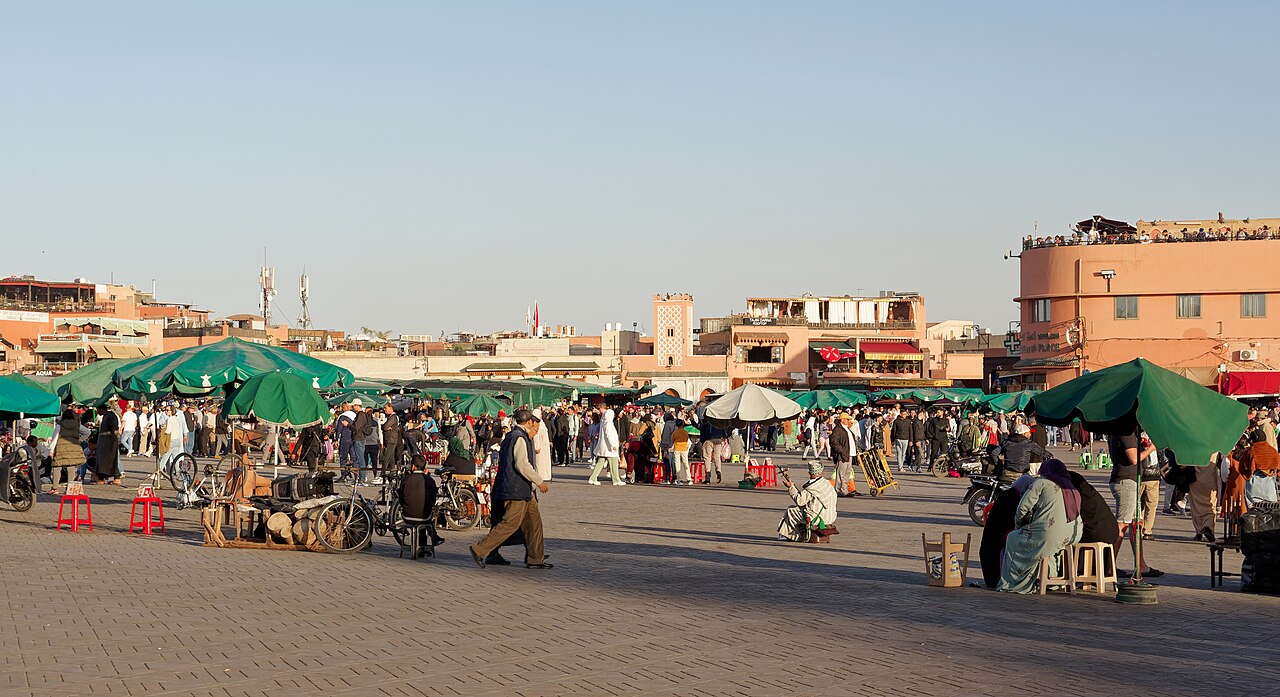
Timing: morning classes that end with lunch fit well around a Medina afternoon; avoid the hottest summer days for farm classes. Classes run year-round, but Ramadan can change schedules, so confirm the timing when you book. Pair the class with a food walk around Jemaa el-Fna in the evening for the street-food side of the city. Prices vary widely, from small-group classes at modest cost to private sessions with transfers that cost several times more, so compare what is included: number of dishes, market visit, transport and whether you eat in a garden, a rooftop or a riad salon. Reviews that mention a patient, funny dada and generous portions are usually the best guide to a good class.
What to expect
The experience
A hands-on class with a local cook and guide, preparing salads, a tagine and often bread, then eating the meal together.
Best time
A morning class ending with lunch; any season, though schedules can shift during Ramadan.
How long
Three to four hours depending on the class.
Tips
Tell the organizer about dietary needs in advance, ask for printed recipes, and arrive hungry.
Quick picks
- Best for
- Food lovers and anyone who wants a hands-on, social experience.
- Families
- Great for children old enough to chop and knead; check minimum ages.
- Couples
- A shared, memorable morning that ends with a long lunch.
- Pair with
- An evening at Jemaa el-Fna food stalls, or a spice shop in the souks.
- Time needed
- A half day.
Good questions
What will I cook in a Marrakech cooking class?+
Usually a tagine, such as chicken with preserved lemon and olives, plus cooked salads, and often bread and mint tea.
Do I need cooking experience?+
No. Classes are relaxed and designed for beginners; the cook guides each step.
Can vegetarians join?+
Yes. Many Moroccan dishes are vegetable-based; tell the organizer when you book.
Are classes private or group?+
Both exist. The Tiqets selection includes a small-group tagine class and a private class with lunch and transfers.
Does the class include a market visit?+
It depends on the class; check the description. Some start with a walk through a local market to buy ingredients.