Maui's underwater world is easy to reach and very rewarding. Warm, clear water, lava-rock reefs and healthy fish populations make it a good place to try scuba for the first time or to dive again after a break. A discover scuba dive pairs you with an instructor, teaches basic skills in shallow water and then takes you on a guided dive along a reef where you may see turtles, eels, rays and colorful fish. No certification is required for the introductory experience, only comfort in the water and a basic health check.
A typical introductory dive starts with a briefing and paperwork, including a medical questionnaire. Instructors explain the equipment, the hand signals used underwater and the simple skills that keep you comfortable, such as clearing your mask and equalizing the pressure in your ears. You then practice in calm, shallow water until you feel ready. The dive that follows is gentle, usually at modest depth, and stays within a small group led by one instructor for every few students.
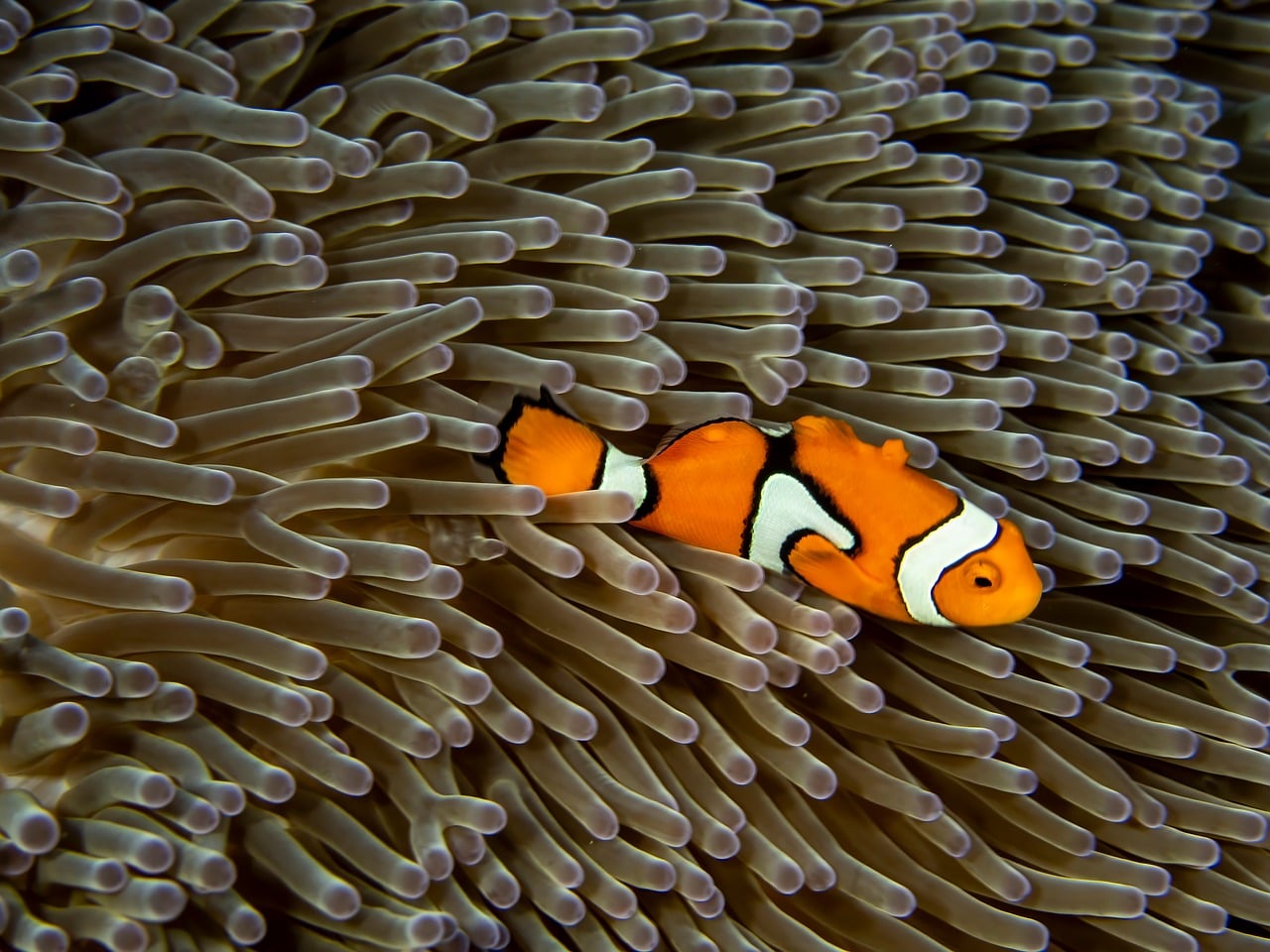
What you see depends on the site and the day. South Maui reefs support parrotfish, butterflyfish, triggerfish and wrasses, and green sea turtles are common visitors. Lava tubes, arches and ledges make the terrain interesting, and in good conditions visibility can be excellent. The Molokini crater and Makena coast are famous among certified divers, but beginner programs usually start from the shore or from a small boat at sheltered sites suited to learning.
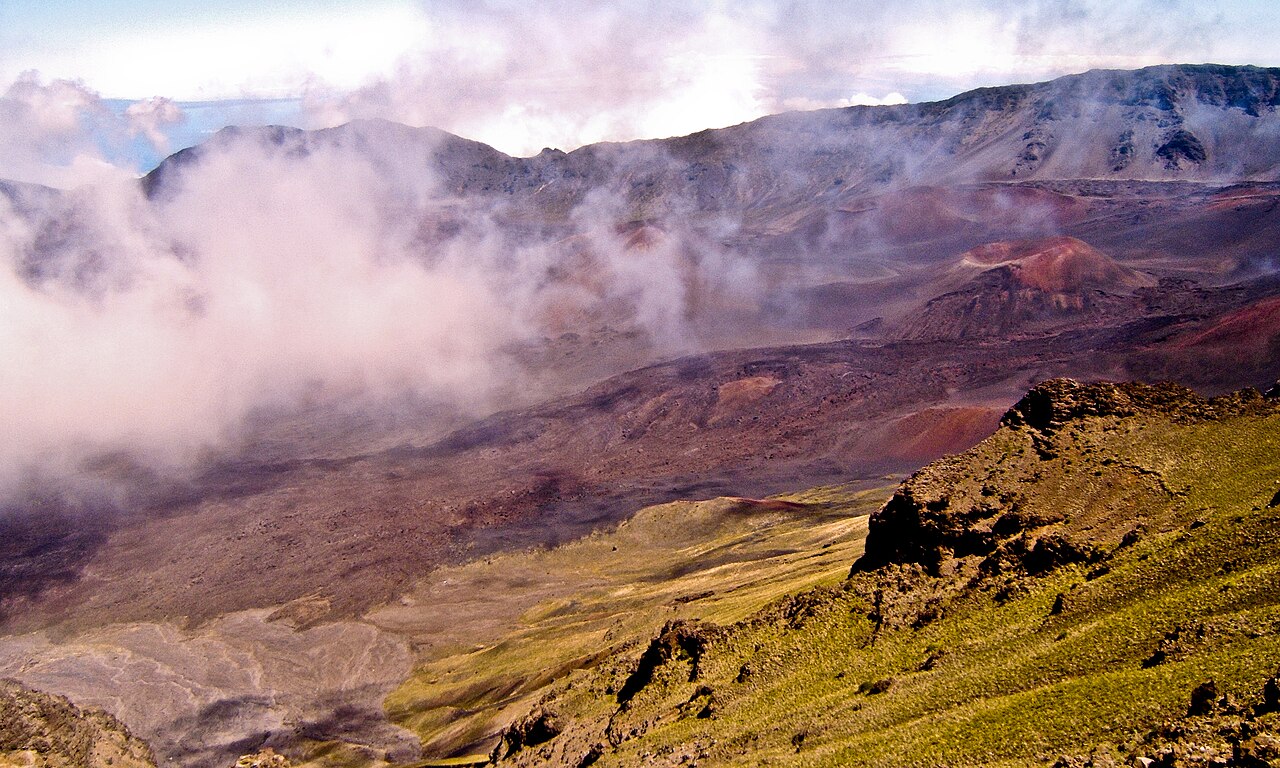
Safety and respect are central. You will be asked not to touch or chase marine life, to keep your fins off the bottom and to follow the instructor's lead. Diving is not recommended for people with certain medical conditions, and you must not fly or ascend to high elevation too soon after diving, a rule that affects plans for a Haleakala sunrise or a flight home. Ask the operator about the recommended wait times before booking.
If you are already certified, look for guided tours that match your experience, such as boat dives to the crater or shore dives along the coast. Bring your certification card and logbook, and let the operator know about your recent dive history. Weather and swell can change the plan, so remain flexible and listen to the crew.
What to bring is simple
A swimsuit, towel, reef-safe sunscreen and a light snack. Most operators provide the dive gear, including wetsuit, mask, fins, regulator and tank. After your dive, give yourself time to rest and drink water, because diving is dehydrating. Many guests describe their first dive as a quiet, otherworldly experience that changes how they look at the ocean.
If you prefer to stay at the surface, snorkeling cruises and kayak trips deliver similar scenery with less equipment. But for travelers who want to breathe underwater and drift among the fish, a discover dive is a wonderful way to try it.
South Maui also offers shore diving and boat dives for certified divers, with sites along the Makena coast and around the Molokini crater, where lava ledges and walls host larger fish and occasional rays. If you are curious about a full certification, ask the operator about multi-day courses and the e-learning options you can complete before you arrive, which free up your vacation time for the water. Nitrox and advanced courses are often available for returning divers who want to push further.
What to expect
The experience
A guided introductory scuba experience with briefing, shallow-water practice and a supervised reef dive. No certification needed, subject to health screening.
Best time
Morning, when seas are typically calmer and visibility is good.
How long
About half a day including briefing and travel.
Tips
Complete the medical form honestly, wait the recommended time before flying or going to altitude, listen to instructors and avoid touching marine life.
Quick picks
- Best for
- Adventurous beginners who want to try breathing underwater.
- Families
- Operators set minimum ages and health requirements, so check before booking.
- Couples
- A shared, memorable activity with a sense of discovery.
- Pair with
- A beach afternoon in Wailea or sunset at Makena. Avoid flying or summit trips right after diving.
- Time needed
- Half a day.
Good questions
Do I need to be certified?+
Not for an introductory discover dive, which includes instruction and a shallow guided dive.
Is scuba safe?+
It is safe when you follow instructions and meet health requirements. Complete the medical form honestly.
Can I fly after diving?+
Wait the recommended time before flying or going to high elevation. Ask your operator for guidance.
What will I see?+
Reef fish, turtles, eels and lava formations are common. Sightings vary.
What is the minimum age?+
Operators set their own minimum ages, often around ten years old, so confirm when you book.