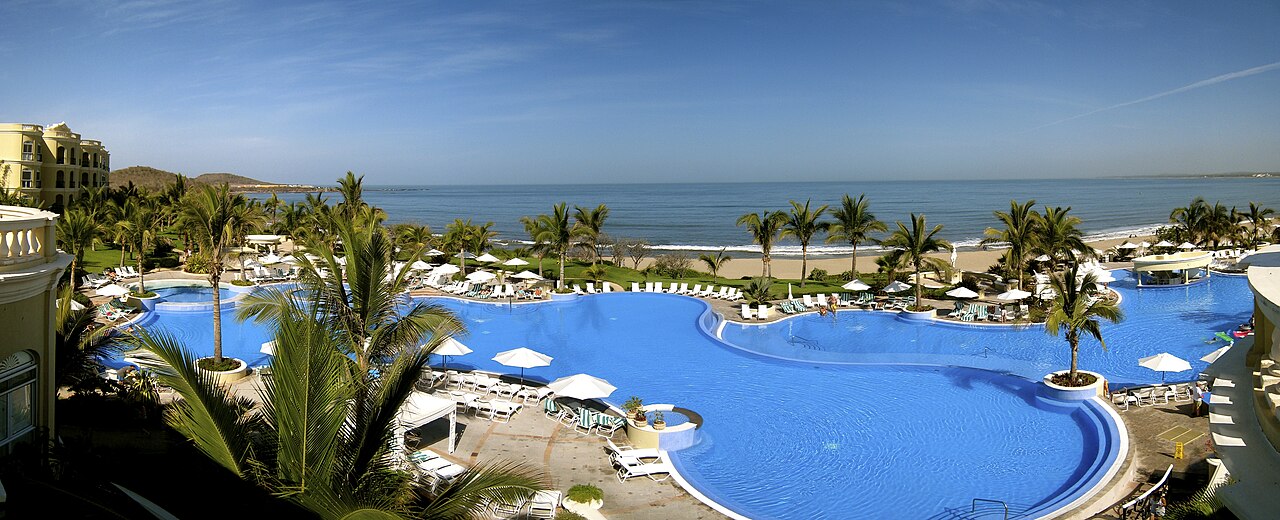
Mazatlán is a year-round destination, but the experience changes a great deal with the seasons. The city sits on the Pacific coast in the tropics, so the weather divides into a long, pleasant dry season and a hotter, wetter summer. Crowds, prices and festivals follow the same rhythm. This guide explains what each season is like so that you can choose the right time for your trip and plan around the weather.
Winter: the high season
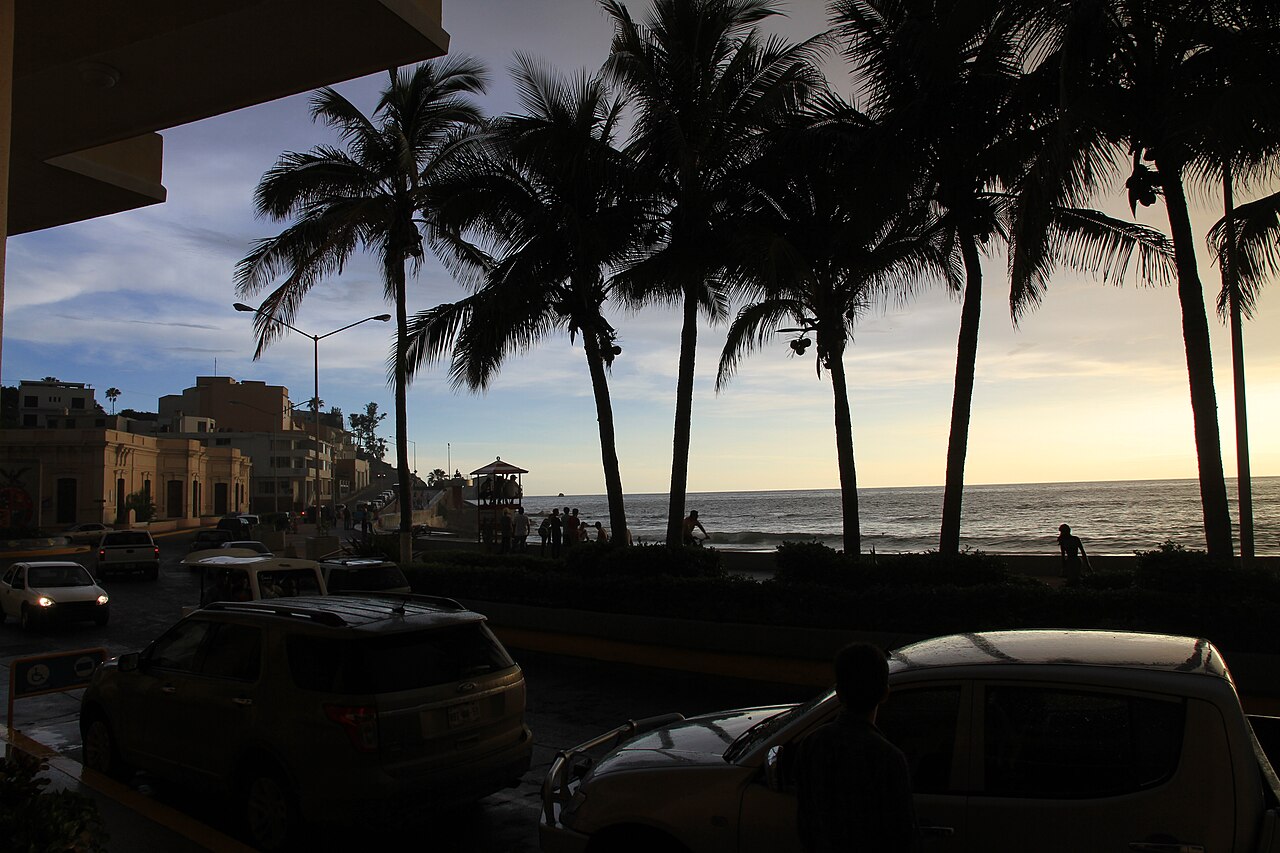
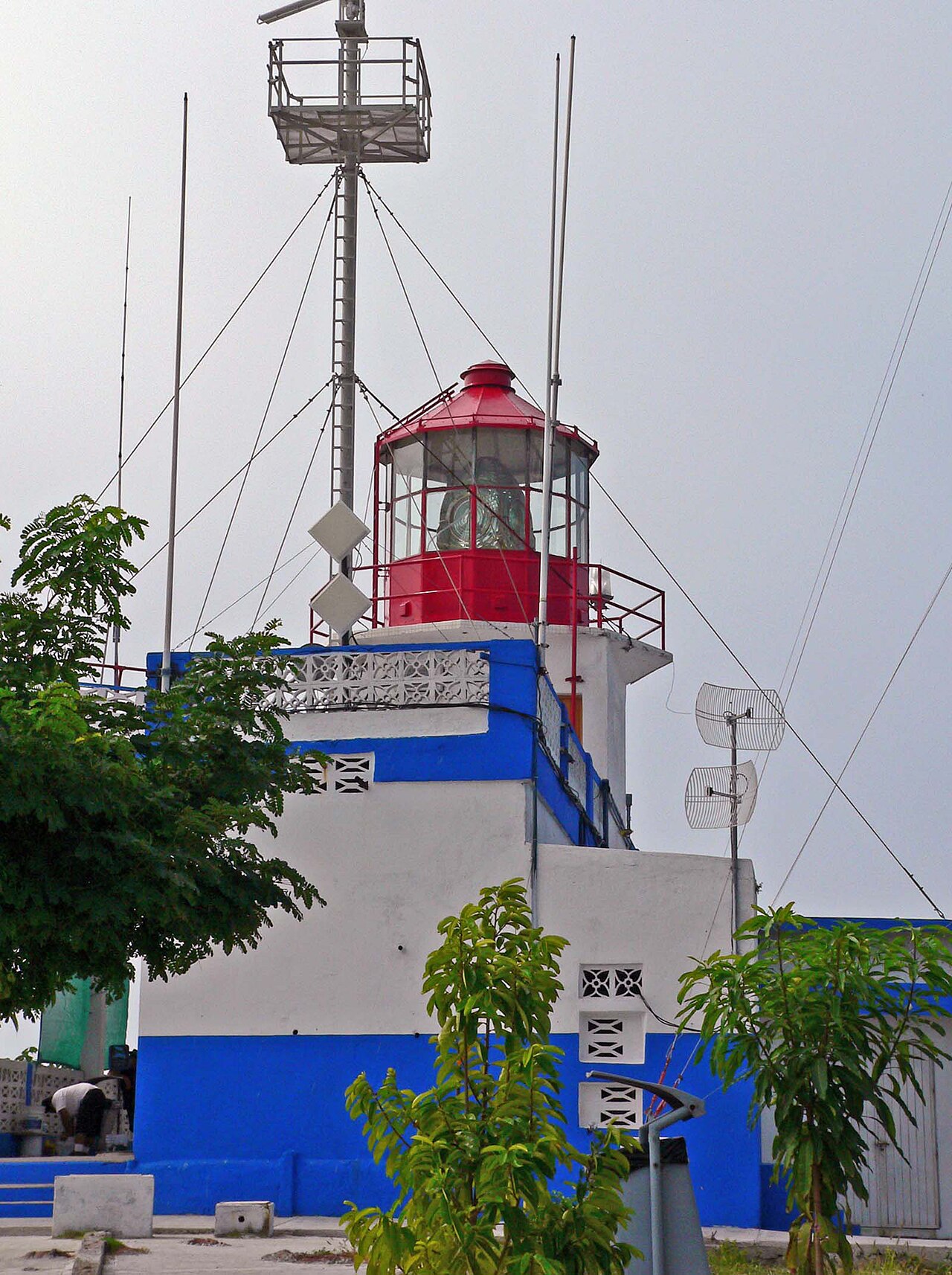
From late autumn through the early spring, the weather is warm and mostly dry, with sunny days, comfortable evenings and calm seas. This is the most popular time to visit, and the old town, the Malecón and the beaches are at their liveliest. Restaurants are full, tours sell out, and the best hotels fill early, so book rooms and popular tours well ahead. Evenings can feel cool, especially by the water, so bring a light layer. Winter is also the best season for hiking to El Faro and walking the old town, since the heat is manageable at any hour.
Whale season
In the cooler months, humpback whales visit the Pacific coast of Mexico, and Mazatlán's whale-watching outings run during that period. The Observatorio 1873 and its whale museum are a good introduction to the story, and they are worth a visit at any time of year. Sightings depend on the weather, the sea and luck, so treat them as a bonus rather than a promise, and check the season and the operator's policies when you book.
Carnaval
Mazatlán's Carnaval is the biggest festival of the year, with parades, music, costumes and crowds filling the seafront in the days before Lent. If you love a party, it is a memorable time to visit, but old-town hotels fill up early and prices rise, and the seafront is busy and loud. If you prefer a quieter trip, avoid the festival dates. Check the calendar when you plan your week, and book accommodation as early as you can. Holy Week is another busy period for domestic travellers, with beaches and hotels full of Mexican families.
Spring: warming up
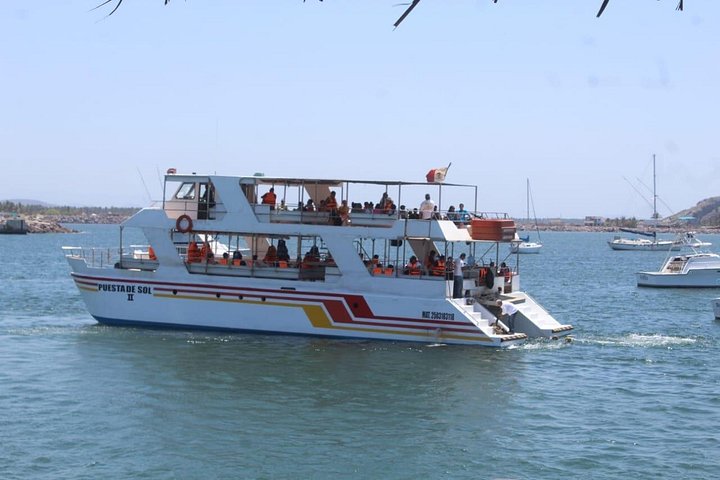
As the weather warms, the beaches stay lovely and the crowds thin out after the main winter and holiday periods. Days are hot, the sea is warm and the sky is usually clear, which makes it a good time for beach days, boat trips and watersports, with rates easier to find than in mid-winter. Start sightseeing early and keep the afternoons for the pool or a long lunch.
Summer: hot, humid and quiet
Summer is hot and humid, with rain, often in short, heavy bursts in the afternoon or evening. The beaches and the sea are at their warmest, prices are lower and the city is quieter, which suits travellers who value value and space over perfect weather. Plan outdoor activities for the morning, carry sunscreen and water and use the middle of the day for a museum, the aquarium or the hotel pool. Visits to the market, the cathedral and indoor attractions are comfortable at any time.
Autumn and hurricane season
The Pacific hurricane season runs through November, and the risk of storms is highest in the early autumn. Most trips are unaffected, but you should keep your plans flexible, consider flexible or refundable rates, buy travel insurance that covers weather disruption and follow local forecasts and guidance. The shoulder months at the end of the season can be a pleasant time, with fewer visitors and lush scenery after the rains, as the dry season begins.
What to pack
Light, breathable clothing, a hat, sunglasses, strong sunscreen, a swimsuit and comfortable walking shoes suit most seasons. Add a light layer for winter evenings and a compact rain jacket or umbrella for summer. Insect repellent is useful after rain. If you plan to hike, bring grippy shoes and water.
So when should you go?
For the best weather and atmosphere, choose winter, and book early. For value and quiet beaches, consider late spring or the shoulder months. For a party, choose Carnaval, and for whales, plan around the cooler months. Whenever you go, check current travel advisories for Mexico and Sinaloa before you book and again before you fly.