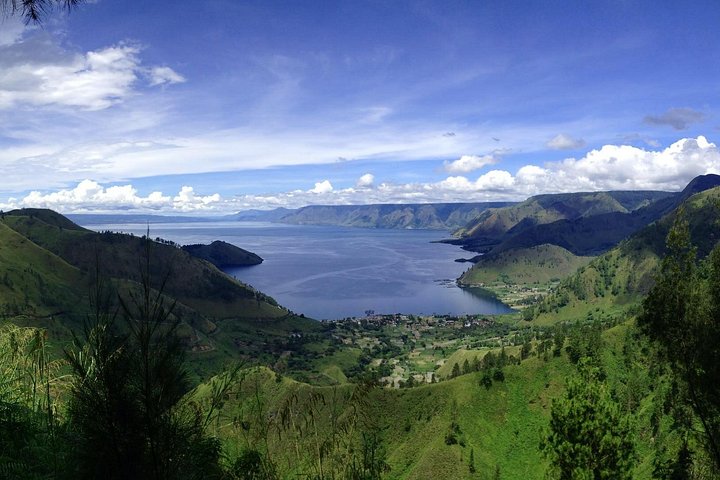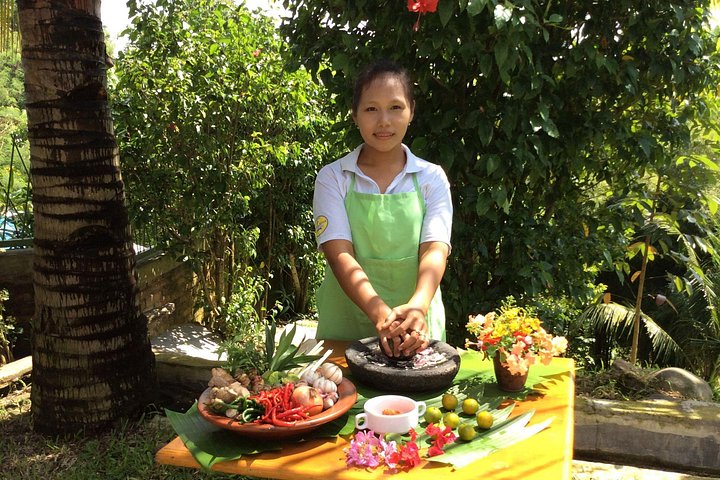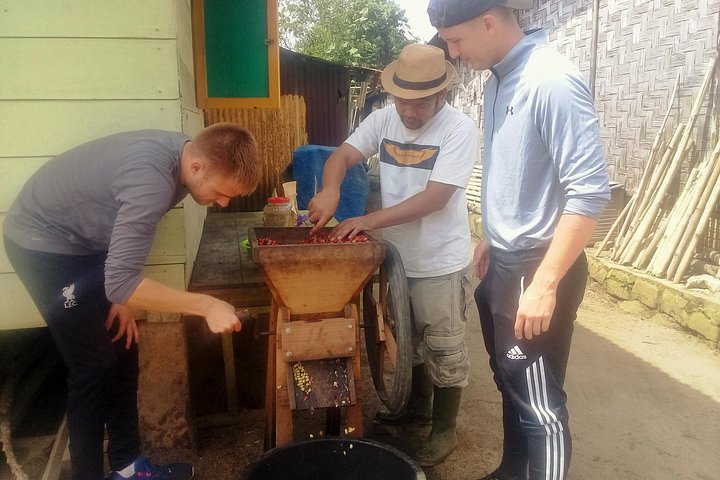
Sumatra is one of the great coffee origins, and its beans are known for deep, earthy flavor, low acidity and a full body. The island's coffee is grown in volcanic highlands, including the areas around Lake Toba and the Gayo highlands of Aceh, and a tour is the best way to understand why it tastes the way it does. This coffee tour takes you from Medan into the hills to visit farms, see how cherries are picked and processed and taste the result. It is a longer, more specialized excursion than a city tour, and it suits travelers who enjoy food, farming and landscape. Sumatran coffee is often processed using a wet-hulled method known locally as giling basah, which gives it distinctive flavor and a dark green-blue bean. Guides explain the process step by step, from fermenting and drying to hulling and roasting. Tastings usually include a comparison of different roasts and brewing styles, and you can often buy beans straight from the producer. Coffee is also a social drink in Sumatra, and warung coffee, strained through a cloth filter and sweetened, is part of daily life.
What you see
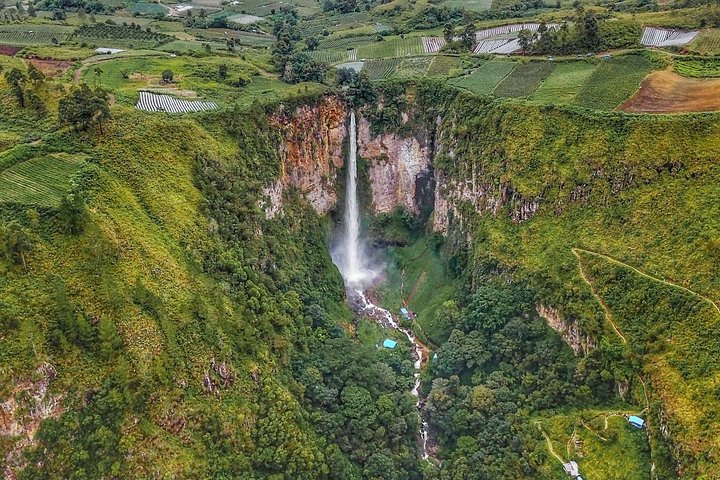
Depending on the itinerary, you might visit smallholder farms, a drying yard, a roastery and a cafe. Farmers explain the harvest cycle and the challenges of weather and prices. Coffee trees grow alongside shade trees, bananas and vegetables, and the landscape is as interesting as the process.
Tasting tips
Take small sips, try coffees with and without sugar and ask about differences between regions. Sumatran beans pair well with local snacks, and many tours include a light meal. If you buy beans, ask for whole beans, check the roast date and store them in a cool place.
Planning
This tour is a private and customizable experience, so use that flexibility to focus on what interests you, whether farms, tasting or scenery. It involves a long day of travel, so wear comfortable clothes and bring a light jacket for the highlands. Combine it with Lake Toba or Berastagi if you want to see more, or with a Medan city tour on another day. Confirm the route, inclusions and timing with the operator when you book.
Coffee culture in Medan
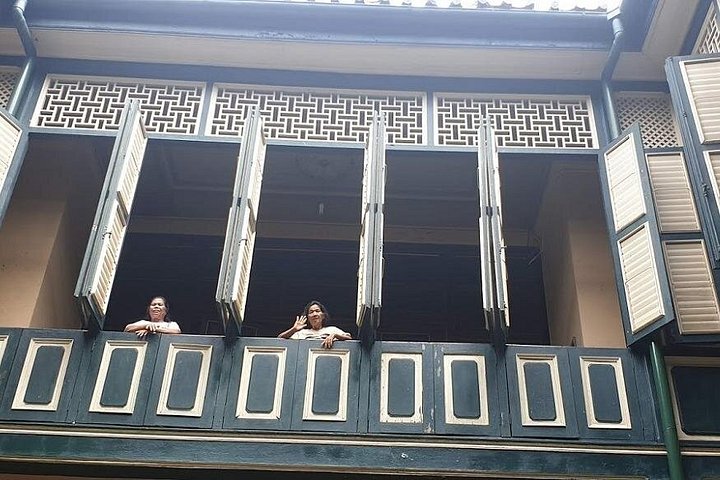
The city has a strong cafe scene alongside its traditional coffee shops, where robust, sweet coffee is served in glass cups with condensed milk. Many shops still roast their own beans, and the smell on a morning street is part of the city's identity.
Before or after the tour, try a cup at an old-style shop, and compare it with a modern pour-over. Ask the staff which beans come from which highland, and you will start to taste the differences between them. It is a delicious way to link the farm visit with everyday city life.
Choosing beans to take home
Buy beans in sealed bags with a roast date, avoid anything labeled only by the word Sumatra without a region or farm, and grind just before brewing.
Etiquette on farms
Ask before photographing workers, stay on paths between trees and wash your hands before handling beans. Small purchases from farmers, such as bags of green or roasted beans, support the community directly. Bring cash for these, because card payments are rarely possible in the hills. Finally, if you drink milk in your coffee at home, try a cup black and unsweetened first, to taste the full character of the bean.
What to expect
The experience
A guided coffee tour with farm visits, an explanation of processing and tastings of Sumatran coffees.
Best time
The harvest season is the most active, but tastings are possible year-round.
How long
A long day with travel.
Tips
Wear comfortable clothes, bring a light jacket and ask about buying whole beans.
Quick picks
- Best for
- Coffee lovers and food travelers.
- Families
- Good for older children who like farms and snacks.
- Couples
- A flavorful day in the hills.
- Pair with
- A Karo Highlands tour or the cooking class.
- Time needed
- One full day.
Good questions
What makes Sumatran coffee special?+
Earthy, full-bodied flavor and low acidity, partly from wet-hulled processing.
Will I taste coffee?+
Yes, tastings are a core part of the tour.
Can I buy beans?+
Often yes, directly from producers.
Is it a private tour?+
Yes, so you can adjust the stops.
Where are the farms?+
In the highlands, with the exact route set by the operator.