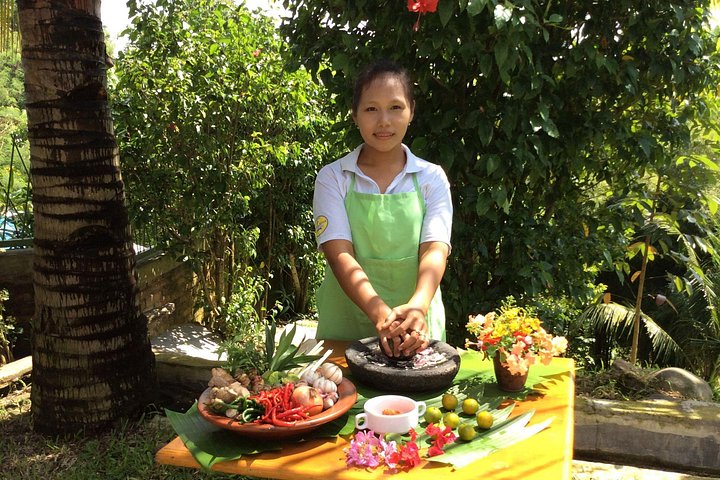
Sumatran food is bold, aromatic and deeply tied to its spices. Chilies, turmeric, galangal, lemongrass, ginger, coconut milk and fresh herbs sit behind dishes such as rendang, sambal, curries and grilled fish, and Medan is one of the best places to taste the variety. A cooking class here lets you move from eating to understanding. Led by a local cook, you learn how spice pastes are made, how flavors are balanced and how to prepare several dishes that you can repeat at home. Most classes begin with an introduction to the ingredients, and some include a market visit where you pick up fresh produce and learn to recognize herbs and roots. The cooking happens at a home kitchen or a small studio, with a mortar, a wok and a charcoal or gas stove. You grind, chop, stir and taste as the dishes come together, and then you sit down to eat what you made. It is a relaxed and social experience that suits couples, friends and families, and it is especially satisfying if you have spent days eating out and want to know what is in the food.
What you cook
The menu varies, but expect a mix of staples such as a spiced meat or vegetable dish, a sambal, a soup or curry and rice. Medan has Malay, Batak, Chinese and Indian influences, and a class may highlight one or two of them. Ask about dietary needs when you book, because many dishes use shrimp paste, fish sauce or meat stock, though vegetarian versions are often possible.
Why spices matter
Sumatra's trade history is built on spices, and the cooking reflects it. A good teacher explains which spices are fresh, which are dried and how they are layered, and why sambal is never just heat. You will likely leave with recipes, a new respect for your mortar and a few ideas for the kitchen back home.
Practical tips
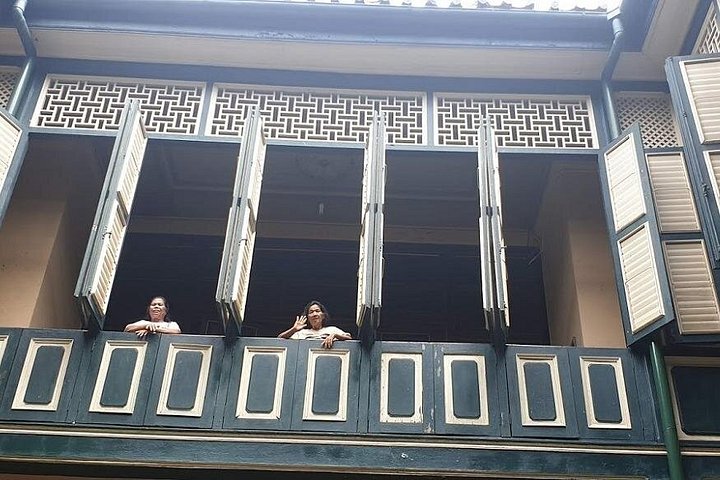
Arrive hungry, wear clothes that can handle splashes and let the teacher know about allergies. Classes usually last a few hours and include the meal. Because Medan is hot, mornings are more comfortable. Pair the class with a city tour or the Tjong A Fie Mansion for a day that covers both heritage and food, or schedule it after a long jungle trek when you want something relaxed. Details can differ between operators, so check inclusions when you book.
Cooking at home afterward
The real value of a class is what you can repeat. Ask which ingredients you can find locally, which can be substituted and how to adapt the heat. Fresh galangal and turmeric are available in many Asian markets, while lemongrass and chilies are widely sold.
Take photographs of each stage of the paste and the order in which ingredients go in the pan, and write down the proportions the teacher gives. Many travelers find that the sambal recipe alone transforms home cooking, and the teacher may share tips for storing pastes so you can cook quickly on weeknights.
Spice names to learn
Kunyit is turmeric, jahe is ginger, serai is lemongrass, lengkuas is galangal and cabai is chili. Knowing these makes market visits easier and recipes easier to follow.
What to expect
The experience
A hands-on cooking class with a local cook, preparing several Sumatran dishes with traditional spices and sharing the meal.
Best time
Mornings or late afternoons, when the kitchen is cooler.
How long
Several hours including the meal.
Tips
Share dietary needs in advance, wear comfortable clothes and ask for the recipes.
Quick picks
- Best for
- Food lovers who want to learn the flavors of Sumatra.
- Families
- Fun for children who like to help in the kitchen.
- Couples
- A relaxed shared activity ending in a good meal.
- Pair with
- A Medan city tour or the coffee tour.
- Time needed
- Several hours.
Good questions
Do I need cooking experience?+
No. Classes are designed for beginners.
What dishes will I cook?+
A selection of Sumatran dishes such as sambal, curries and rice-based meals, depending on the class.
Can vegetarians join?+
Often yes. Tell the operator in advance.
Do I eat what I cook?+
Yes, the meal is usually part of the class.
How long is it?+
A few hours.