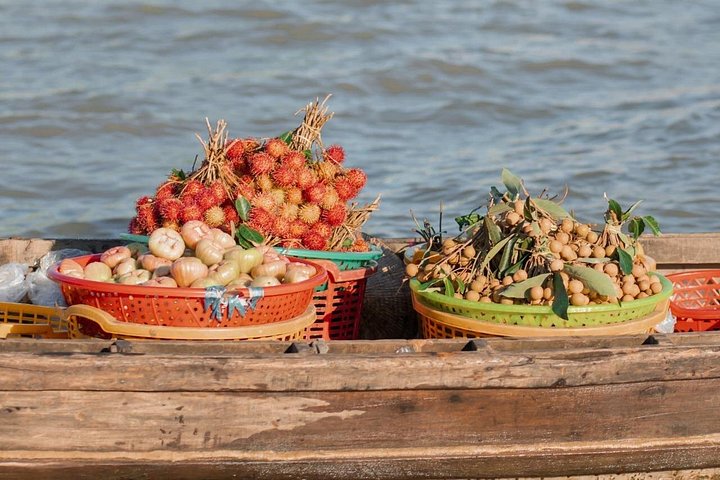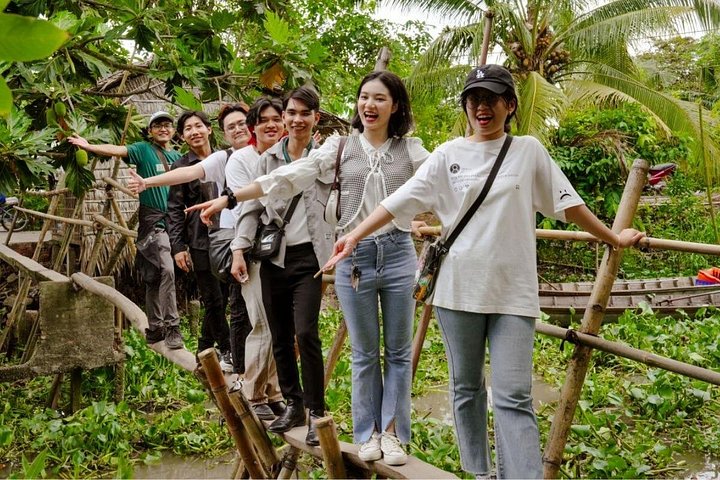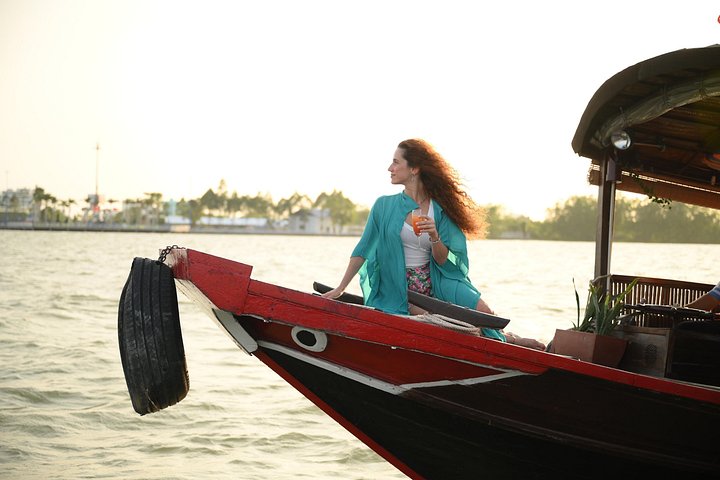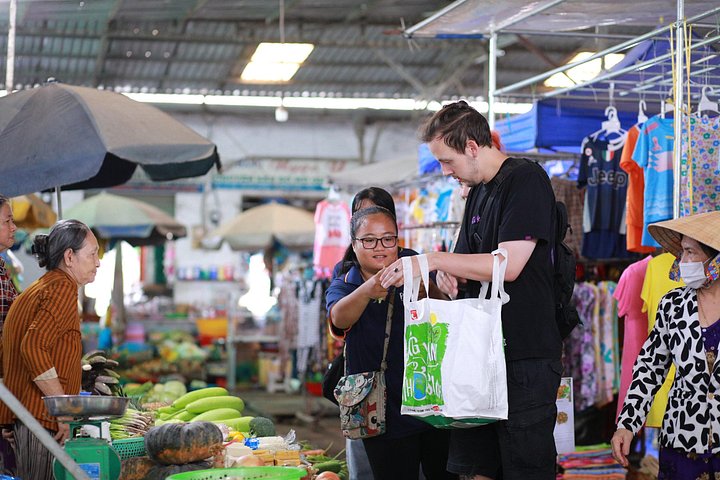
A cooking class in the delta is a chance to learn the logic of the region’s food at its source. This class, titled as a cooking class in the countryside with vegetarian options available, takes place in a rural setting outside Can Tho, where ingredients come from the garden and the river and the kitchen is often open to the air. The Mekong Delta cooks with a lot of fresh herbs, young coconut, fish sauce, palm sugar and local fish and vegetables, and it prizes balance between sweet, salty, sour and hot. A class usually starts with a visit to a garden or market to pick ingredients, then moves to the kitchen, where you chop, pound, wrap and fry with the help of a cook who is happy to show you shortcuts. The reward is a meal you have helped to make, eaten in a shaded setting with the people who taught you. For many travellers it becomes the most relaxed and memorable part of a Mekong trip, because it slows you down and gives you something to take home: skills, a recipe, and a better feel for what you are eating.
How it works
The class is a half-day or longer experience, with transport from Can Tho and a cook or host who teaches in a family home or garden kitchen. The title says vegetarian options are available, so mention dietary needs when you book. Ask what dishes are on the menu, whether you receive recipes, and whether a market or garden visit is included before the cooking begins.
What to expect
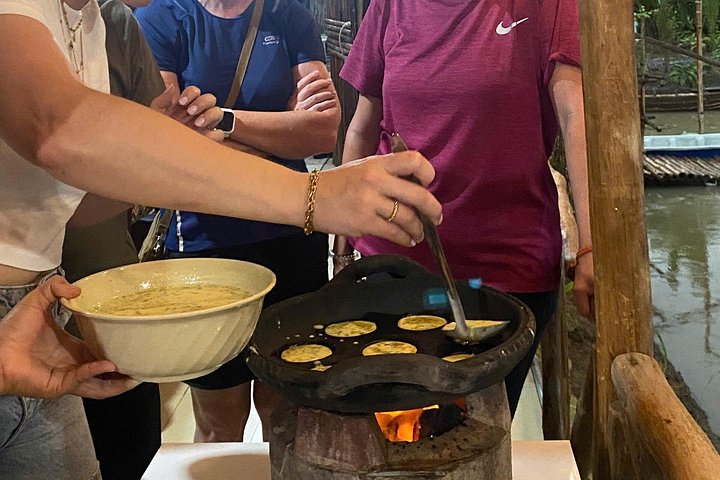
You start with an introduction to local ingredients, including herbs that may be new to you, such as rau ram or sawtooth coriander. In the kitchen you may make fresh spring rolls, a sour soup with fish or vegetables, a savoury pancake, a stir-fry with greens, or a sweet dessert based on coconut.
Cooking is hands-on but not stressful; the cook corrects gently and adapts to your skill. The setting is simple, with outdoor tables, ceiling fans and cooking over gas or charcoal. After cooking, everyone eats together, and drinks such as tea or fresh juice are usually served.
Making the most of it
Wear clothes that can get marked and shoes that cope with an outdoor floor. Bring repellent, because kitchens in gardens attract mosquitoes in the evening. Take photos of each step and of the ingredients, so that you can recreate the dishes at home, and ask the cook where to buy substitutes for hard-to-find items.
If you have limited mobility, tell the operator, since some home kitchens have uneven ground. Families can join, and children usually enjoy rolling and wrapping. Consider booking the class on the day after a food tour, so you can practise recognising flavours you already tasted, and finish with a rest by the river or a swim.
Before leaving, ask the cook about a few pantry items worth carrying home, such as dried shrimp, palm sugar or a good fish sauce, and about simple swaps if you cannot find fresh herbs. These small tips are the difference between a nice memory and a recipe you actually cook again, and they are often the part of the class that people value most in the following weeks.
What to expect
The experience
A hands-on cooking class in a rural kitchen near Can Tho, with ingredients from the garden.
Best time
Morning or late afternoon, when it is cooler.
How long
Around three to four hours.
Tips
Wear clothes that can get marked, use repellent and mention dietary needs when booking.
Quick picks
- Best for
- Hands-on travellers who want to learn delta cooking.
- Families
- Children enjoy rolling and wrapping.
- Couples
- A relaxed, shared activity that ends in a meal.
- Pair with
- A floating-market morning or a food tour.
- Time needed
- Half a day.
Good questions
Are vegetarian options available?+
The title says vegetarian is available. Tell the operator in advance.
Will I get the recipes?+
Many classes share recipes or let you photograph them. Ask the host.
Do I need cooking experience?+
No. The cook adapts to all levels.
Where does the class take place?+
In a rural kitchen outside Can Tho. Transport is arranged by the operator.
What dishes might I cook?+
Spring rolls, a sour soup, a savoury pancake, a stir-fry and a coconut dessert are typical.