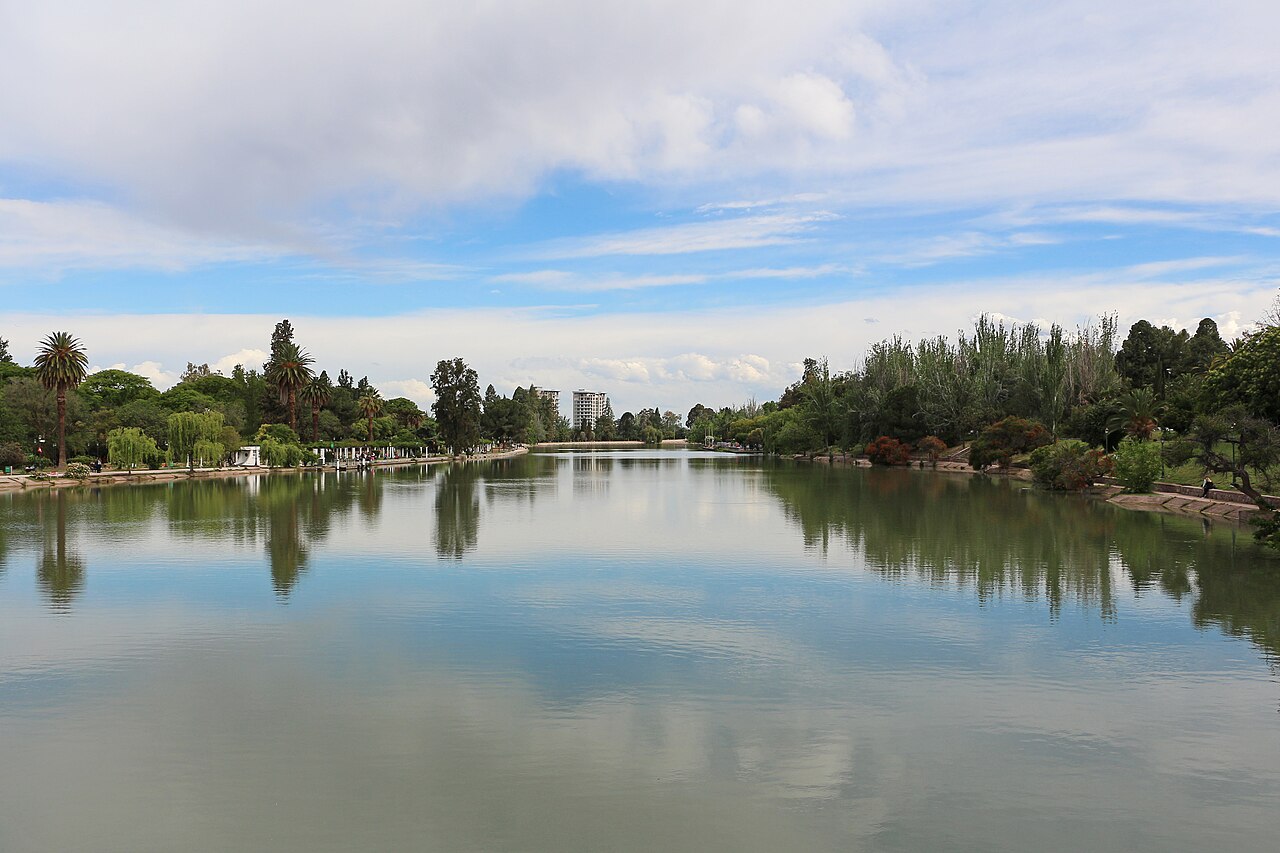
Mendoza is a small, green city set in a desert, at the foot of the Andes, and almost everything a visitor does here falls into one of three groups: wine, mountains and the city itself. The wine districts ring the city, the mountains rise to the west, and the city, rebuilt after an earthquake in 1861, is a calm grid of plazas and tree-lined streets. A first visit works best when you pick one or two experiences from each group rather than trying to see everything.
Choose your wine district
There are three main areas, and each gives a different day. Maipú is the oldest and the easiest, with flat roads, family bodegas and olive mills, which is why a bike-and-wine day suits first-timers and budgets. Luján de Cuyo is the classic Malbec district, close to the city, with old vines and famous names, and it is the best place for a focused tasting. The Uco Valley is higher, colder and more dramatic, about an hour and a half away, with boutique estates facing the Andes, and it needs a driver and a full day. For a short trip, pick Luján de Cuyo or Maipú. For a longer one, add the Uco Valley.
Book these ahead
Winery visits and winery lunches are by appointment, so reserve them, especially for the Uco Valley and for the harvest months of February and March, when the area is busiest. The Aconcagua day trip, rafting and horse rides run with operators who take limited numbers, so book a day or two ahead in the high season. Restaurants known for their tasting menus fill up in advance. The Cacheuta hot springs are busiest on weekends and holidays, so a weekday visit is calmer.
Getting around
In the city, you can walk between the plazas, and taxis and ride-hailing cars are cheap and plentiful. For wine country, the safest options are a driver, a small-group tour or a bike day in Maipú, because tastings and driving do not mix. Buses reach Maipú and Luján de Cuyo, but they are slow for winery hopping. For the Andes, rafting and the hot springs, a tour with hotel pickup is the easiest way, since the roads are mountain roads and parking at the sights is limited.
How many days
Three days is the minimum for a satisfying first visit: one day for wine, one for the mountains and one for the city and a soak or ride. Four or five days lets you add the Uco Valley, a rafting or horse-riding day and an unhurried evening or two. A good three-day plan is a Maipú bike-and-wine day, then an Aconcagua day trip, then a morning in the plazas and Parque General San Martín with the Cerro de la Gloria at sunset. If you have a fourth day, spend it in Luján de Cuyo or at Cacheuta.
When to go
Spring and autumn are the most comfortable, with warm days and cool evenings, and autumn brings the harvest and golden vineyards. Summer is hot in the afternoons, so start early and rest at midday, but it is the season for rafting and the pools. Winter is cooler and drier, with snow in the high Andes that can close mountain roads, but it is a good time for the hot springs and for quiet tastings. Wherever you go, the sun is strong and the air is dry, so carry water and sunscreen.
Practical notes
Argentina's economy and prices change quickly, so check current costs and the best way to pay before you travel, and carry some cash for places that do not take cards, including some park entrances. Many shops close for a midday break, and dinner is late by many standards, often after nine in the evening. Tipping in restaurants is customary. Drink tap water only if your hotel says it is fine, and take altitude seriously on mountain days, since even the main stops are above two thousand metres.
Where to stay
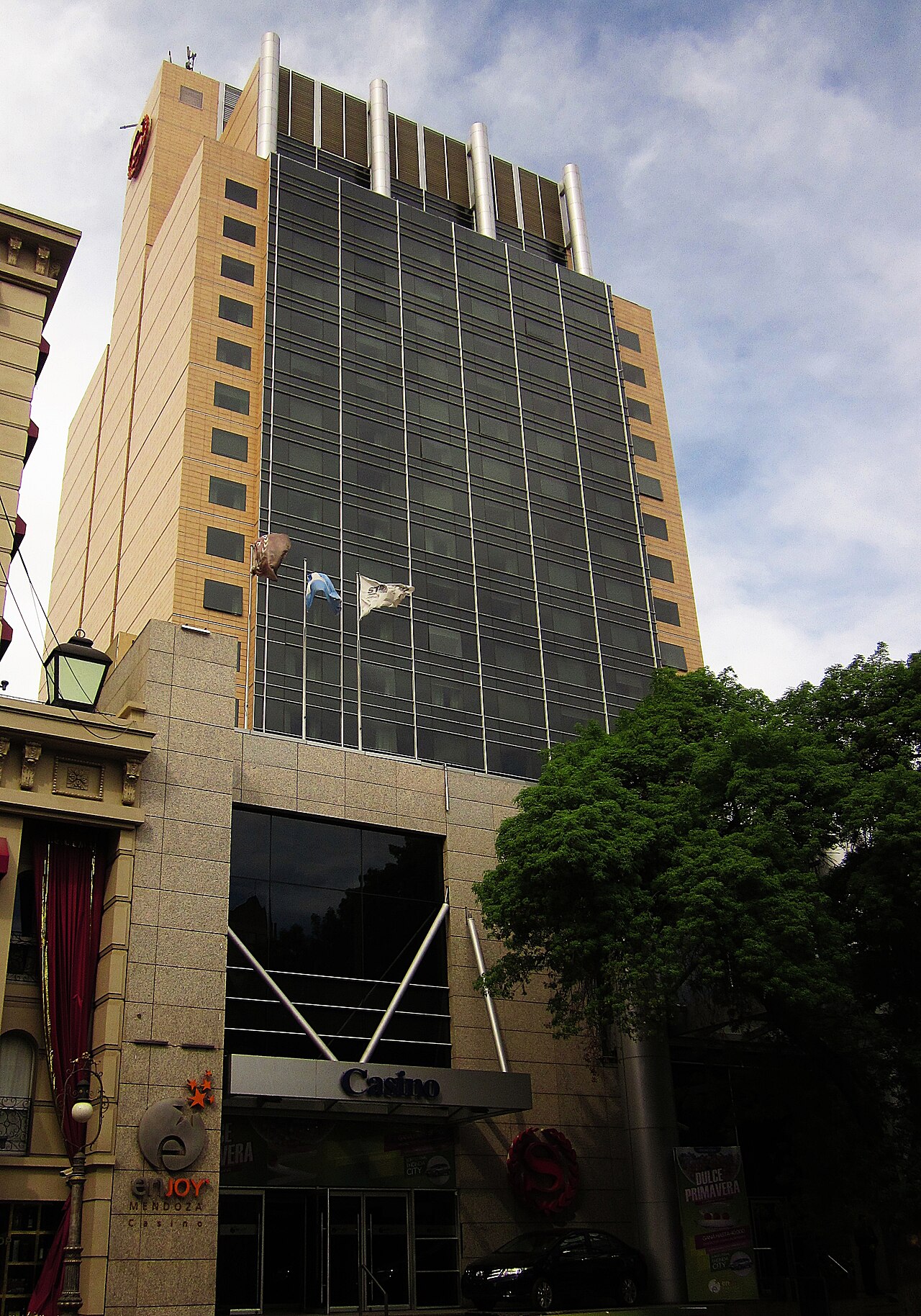
The city centre is the easiest base for walking, dining and tours, and the Park Hyatt on Plaza Independencia is the grand choice, with the Sheraton and a central hostel as other options. If wine is the point of your trip, sleep in Luján de Cuyo or Chacras de Coria, where Entre Cielos and Casa Glebinias put the vineyards on your doorstep.