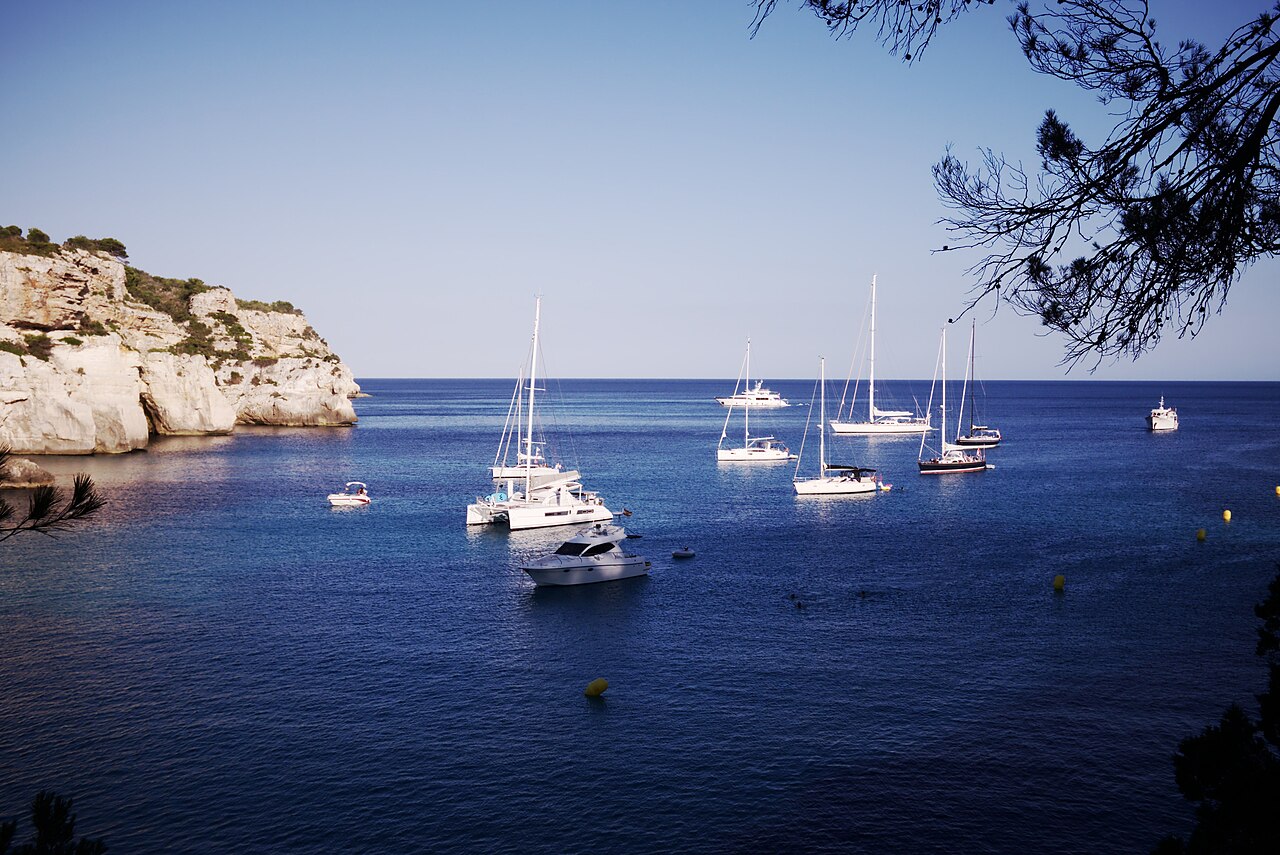
Menorca has some of the clearest water and most unspoilt beaches in the Mediterranean, thanks to decades of careful planning and the island's biosphere-reserve status. The coastline is split into two moods. The south is made of pale limestone, pine woods and calm turquoise bays. The north is darker and wilder, with red earth, grey rock and bigger waves. Understanding the difference helps you choose beaches that match your plans.
The south-west virgin coves
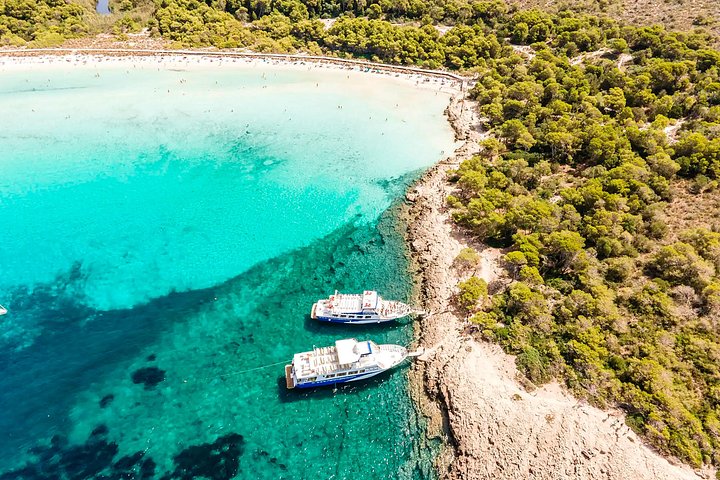
The famous names are here: Cala Macarella and its smaller sister Macarelleta, Cala Turqueta, and the neighbouring Cala Mitjana and Mitjaneta. They are lovely, calm and shallow, with pale sand and pine shade, and facilities are limited. Because of their popularity, access is managed in peak season, with limited parking and sometimes shuttle services. The best approach is to walk from Cala Galdana along the Cami de Cavalls, which takes around an hour, or to arrive by boat. Go early in the morning or late in the afternoon in July and August.
Family bays
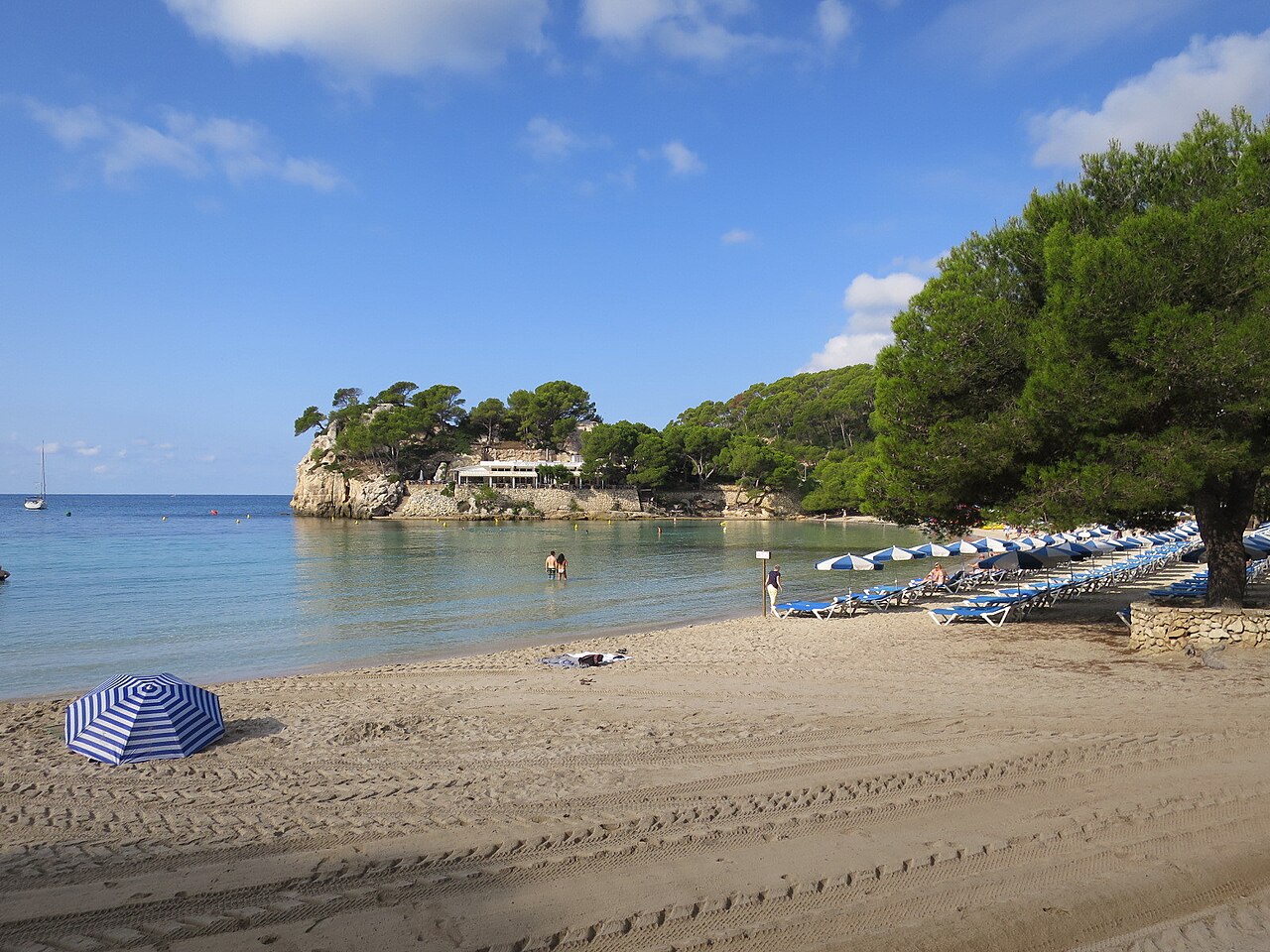
Cala Galdana is the easy choice: a horseshoe of soft sand, shallow water and full facilities, with restaurants and watersports behind it. On the south-east coast, beaches such as Binibeca's small coves, Punta Prima and Son Bou offer sand and shallow water with more services. Son Bou is the longest beach on the island and has space even in summer. Many of these beaches have lifeguards in season and sunbeds for hire.
The wild north
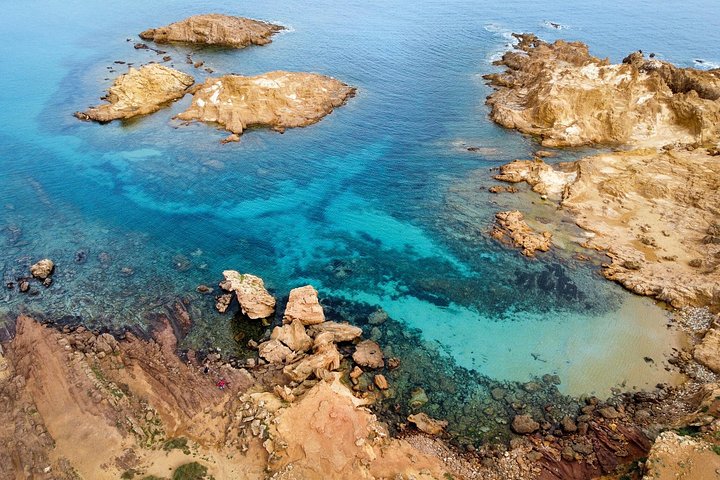
Beaches such as Pregonda, with its rust-coloured sand and rocky islets, and the coves around Cavalleria are more dramatic and less accessible. Many require a walk of twenty minutes or more from the nearest parking, and facilities are minimal. The wind is stronger, so check conditions before you set out. Swimming is wonderful on calm days but can be rough when the tramontana blows. Bring everything you need and take your rubbish away.
Es Grau and the east
On the east coast, Es Grau is a small fishing village with a calm shallow beach, which makes it good for families, and the island of Colom lies just offshore. The beach is the end point of walks from the lagoon of S'Albufera des Grau.
Boats and kayaks
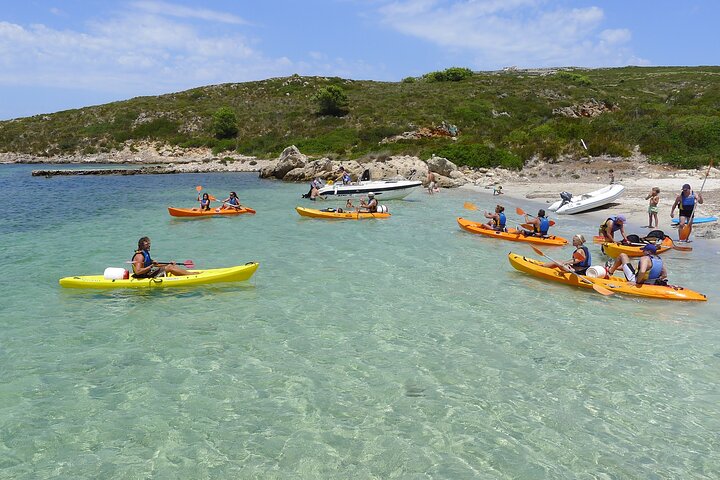
If you want to see many coves without the hassle of parking and walking, a boat trip is the answer. Half-day south-coast cruises stop for swimming, and sunset catamarans pass the coastline in lovely light. Kayak tours reach spots with no road access, and snorkelling over seagrass meadows shows why the water is so clear.
Practical tips
Bring plenty of water and sun protection, as shade is limited. Water shoes help on rocky entries. Pack a bag for rubbish, because many coves have no bins. Respect the dunes and the seagrass: do not walk on dune vegetation, and do not collect posidonia. Check local rules about nudism, which is allowed on some beaches, and about drones, which are regulated.
Timing
July and August are busiest, with full beaches by late morning. June and September offer warm water and fewer people. In May and October the sea is cooler, but the beaches are almost empty and the light is lovely. Many beach bars and services operate only in season, so check before relying on them.
A simple plan
For a week, pick one beach day in the south-west, one in the south-east, and one in the north. Add a boat trip and a coastal walk. That way you sample each coast and avoid the repetition of seeing similar bays.
Safety and etiquette
Lifeguards operate only on the busiest beaches and only in season, so on wild coves you are responsible for your own safety. Check the sea before swimming: red flags mean stay out. Avoid jumping from rocks unless you know the depth, and supervise children closely, particularly where the bottom drops away quickly. Take care with sun in the middle of the day, when the sand and rock are hot enough to burn bare feet.
Food and shade
Beach bars exist at the larger bays but are rare at the wild coves. Pack a picnic of local cheese, bread, tomatoes and fruit, and a cool bag with plenty of water. A beach umbrella or pop-up shelter is welcome where permitted, as pine shade is not always available where you want to sit. Evening light on the cliffs is worth staying for, so keep a torch for the walk back.