Menorca has a mild Mediterranean climate, with hot dry summers and mild winters, but the details matter for planning. The island is more seasonal than the mainland: many hotels, restaurants and beach services open from spring to autumn and close in winter. Here is how the year breaks down.
Summer (June to August)
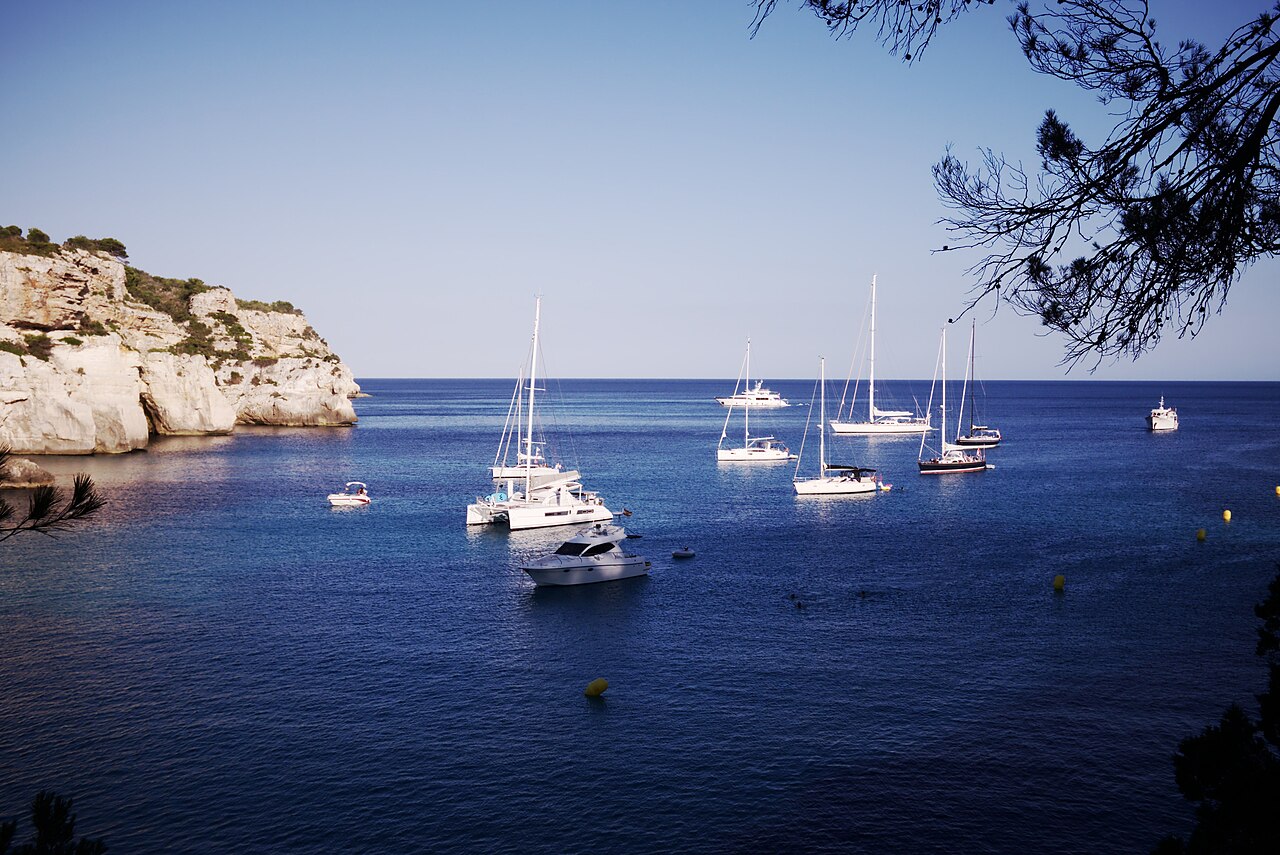
This is peak season. Days are hot and sunny, the sea is warm and every service is open. It is also the busiest and most expensive period, particularly in July and August. Beaches fill by late morning, parking at the famous coves is restricted, and popular restaurants need reservations. If you come in summer, plan around the heat: do beaches and boat trips in the morning and evening, and keep midday for shade, a siesta or indoor sights such as museums and markets. June is a good compromise, with long days and a slightly calmer atmosphere. Late June brings the Sant Joan festival in Ciutadella, with riders on horseback and a street party, which is a highlight but demands early booking.
Autumn (September and October)
Many locals consider this the best time. The sea stays warm after the summer, the crowds thin, prices fall and the light is soft. Most services remain open through September and often into October. Walking on the Cami de Cavalls is pleasant, and boat trips are still running. By late October, some businesses begin to close, and the weather becomes less predictable, with occasional storms.
Winter (November to March)
The island is quiet. Many hotels and beach bars close, some restaurants reduce hours, and sea trips are limited. Weather can be wet and windy, particularly when the tramontana blows from the north. But the countryside is green, the towns are authentic, and walkers and food lovers can have the island to themselves. Mahon and Ciutadella stay open, and winter is a good time for the market, cheese farms and winery visits. Swimming is for the brave.
Spring (April to June)
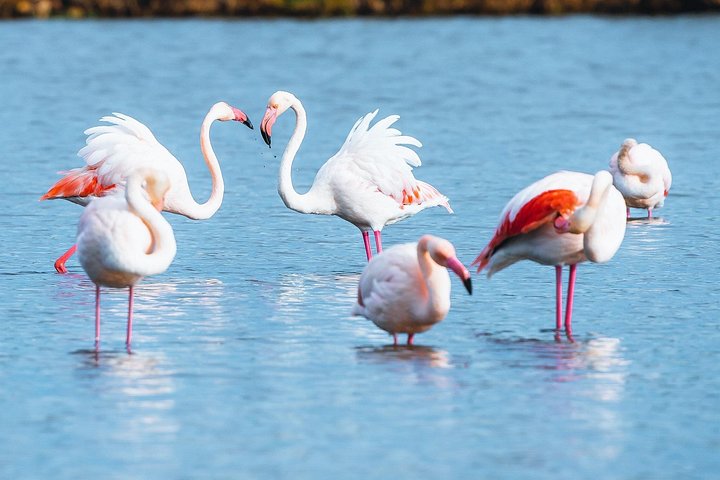
Wildflowers cover the fields, the walking is excellent and temperatures are mild. The sea is still cool, but beaches are empty, and services start to reopen in April and May. Spring is a favourite for hikers and birdwatchers, particularly at S'Albufera des Grau, where migrating birds pass through. Book accommodation early for Easter, which is busy.
The wind
The tramontana is a strong northerly that can blow for several days, especially in autumn, winter and spring. It makes the north coast rough and can cancel boat trips from Fornells. The south is more sheltered, so keep the south-coast coves as your backup. Check forecasts before you plan boat or kayak outings, and keep a flexible day.
The sea
Water temperature climbs gradually: cool in May, comfortable in June, warmest in August and September, and still pleasant into October. For comfortable swimming without extreme heat, aim for June or September.
Crowds and costs
July and August are the busiest, with the highest prices for flights, hotels and car hire. June and September offer the best balance of weather, price and space. May and October are cheaper still, with a quieter island and some closed services.
Which season suits you?
Beach and family holidays: June to September. Walkers and nature lovers: April, May, September and October. Food and culture: spring or autumn, when you can book tables and visit farms. Festivals: late June in Ciutadella. Quiet and bargains: winter, if you accept limited services and changeable weather.
Booking tips
Reserve cars and rooms early for summer. Confirm opening dates for seasonal hotels and attractions. Keep sunscreen, a hat and water in your bag all year, and bring a windproof layer even in summer for exposed spots like the lighthouse at Cavalleria.
Practicalities by month
In April and May, bring layers and a light waterproof, because mornings can be cool and showers pass quickly. In June, pack sun protection and expect long evenings. In July and August, carry water everywhere and plan around the heat. In September, the sea is at its warmest, so pack swimwear for long swims. In October, a jacket for the evenings and a plan for rain are sensible. In winter, pack proper walking shoes and a windproof coat.
Getting here
Flights to Mahon are most frequent from late spring to early autumn, with fewer services in winter. Ferries from the mainland and from Mallorca run year-round at varying frequencies, with more sailings in summer. Booking early for summer flights, ferries and cars saves money and stress.