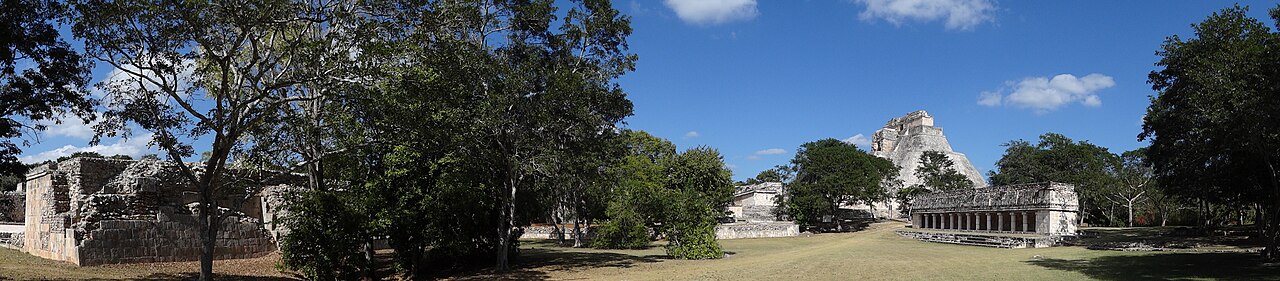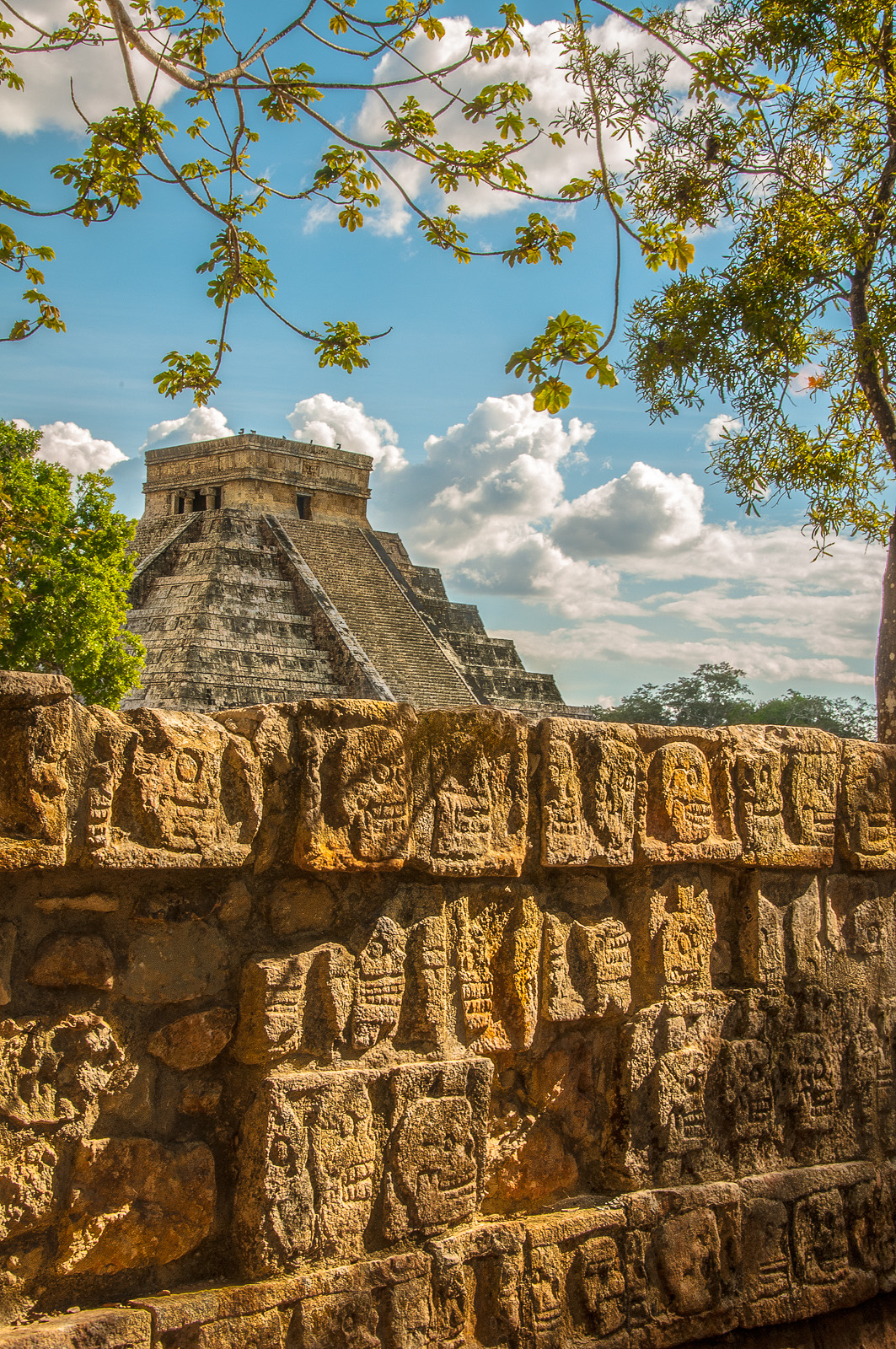
This is the classic Yucatán day trip done in a small group. A guide and van collect you in Mérida early in the morning, drive east past henequen haciendas and arrive at Chichén Itzá in time for a guided walk around El Castillo, the Great Ball Court and the main platforms. After the ruins comes the part most visitors remember: a swim in Ik Kil, a round open-air cenote with hanging vines, a deep blue pool and a stairway cut into the limestone. Lunch is a buffet, and the day ends with a stop in Izamal, the colonial town painted a warm yellow, where a short walk takes in the great convent and its arcaded atrium. The trip is long, around eleven and a half hours door to door, and it is an efficient way to see three very different Yucatán experiences without driving yourself. Because the group is small, the pace is easier than on large coach tours, and you can ask questions of the guide along the way.
What is included and what is not: the booking covers round-trip transport from Mérida, a certified guide, the Ik Kil cenote entrance, a life jacket, lockers at the cenote and a lunch buffet with a drink. Chichén Itzá admission is not included and is paid on site in pesos or by card, at the foreign visitor rate, which was around 697 pesos in the listing and about 310 pesos for Mexican nationals. Admission to the hacienda stop and to Izamal is free. This is the single most important detail for budgeting, so plan for it when you compare the price with other tours.
Timing: the van leaves early, and the order of stops is arranged to reach Chichén Itzá before the heaviest crowds. Ik Kil can be busy at midday, but the water is cool and the setting is spectacular, so bring swimwear, a towel and a change of clothes. Izamal in late afternoon is quieter and the light on the yellow walls is lovely. If you would rather spend longer at one place, consider separate trips; the sites each deserve more time than a single day allows.
Who it suits: first-time visitors, families with older children and anyone who prefers not to drive on unfamiliar highways. It is less suited to people who want a slow morning at the ruins, or to anyone sensitive to long days in a vehicle. Book ahead in the high season from December to April, and check the cancellation terms, which are usually free up to a day before.
What to expect
The experience
A guided van tour from Mérida with a walk through Chichén Itzá, a swim at Ik Kil cenote, a buffet lunch and an afternoon stop in Izamal.
Best time
Any day of the year; the dry season from December to April is busiest, so book ahead, and a morning departure beats the heat at the ruins.
How long
About eleven and a half hours including transport and stops.
Tips
Bring swimwear, a towel, pesos for the Chichén Itzá gate fee, sun protection and a refillable bottle.
Quick picks
- Best for
- First-timers who want Chichén Itzá, a cenote swim and Izamal in a single, well-organised day.
- Families
- Good for children who can handle a long day; the cenote swim is the highlight, and life jackets are provided.
- Couples
- A relaxed way to see three highlights without driving, ending in the golden light of Izamal.
- Pair with
- A slow evening in Mérida with a food tour or a quiet dinner on Paseo de Montejo.
- Time needed
- A full day, leaving early in the morning and returning in the evening.
Good questions
Is Chichén Itzá admission included in this tour?+
No. The tour covers transport, guide, lunch and the Ik Kil entrance, while Chichén Itzá admission is paid separately at the gate in pesos or by card.
Can I swim in Ik Kil?+
Yes, and the tour includes a life jacket and a locker. Bring swimwear and a towel, and expect the water to be cool and the cenote to be busy around midday.
How long is the day?+
Around eleven and a half hours, starting early in the morning in Mérida and returning in the evening. Plan a light dinner afterwards.
Is Izamal free to visit?+
Yes. Walking the streets and the convent atrium costs nothing, though some individual sites and restaurants charge their own fees.
Is it better to take a tour or drive myself?+
A tour removes parking and navigation stress and gives you a guide, while driving gives you flexibility to arrive at opening or stay for sunset. Many travellers do one of each during a longer stay.