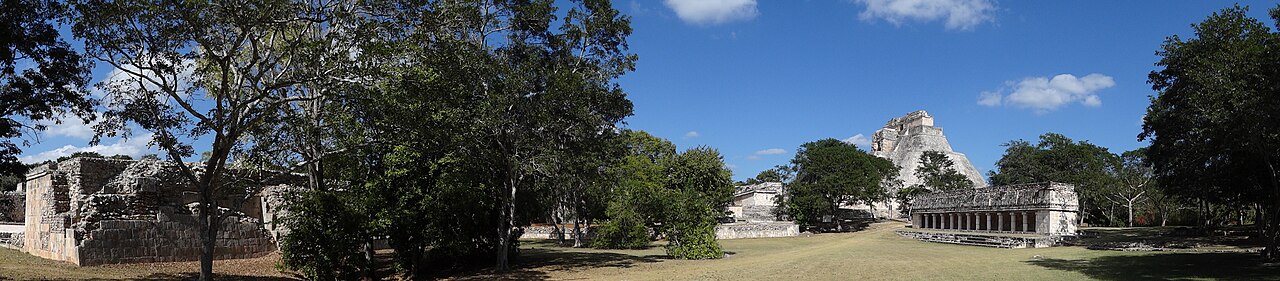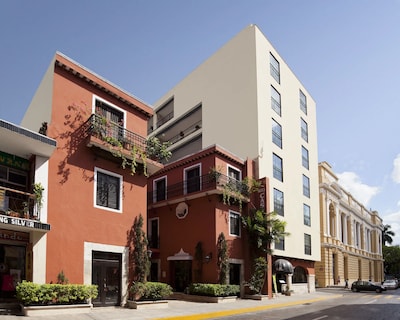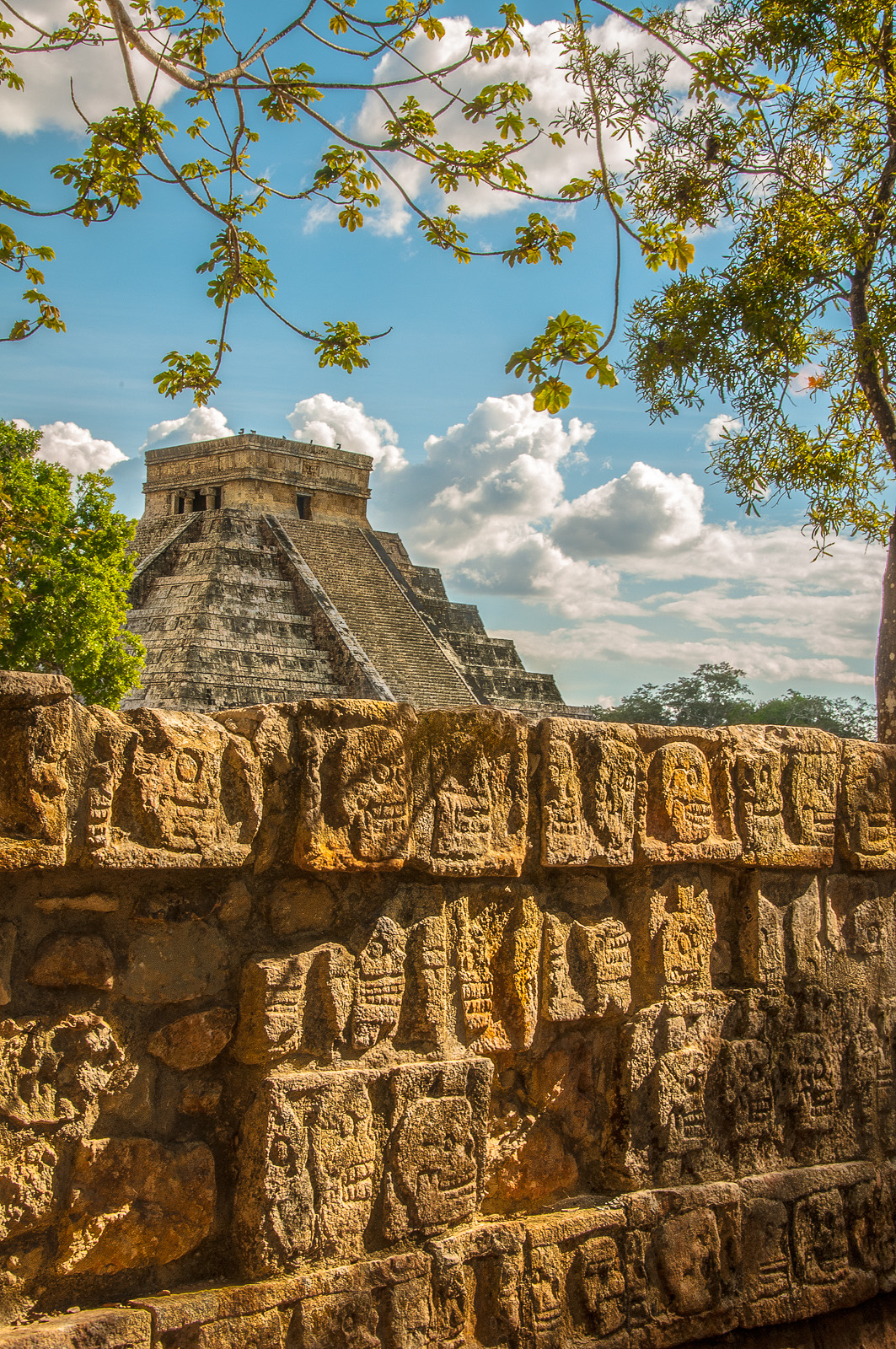
Mérida is the best base for the Yucatán because it puts the whole Maya world within a day trip while giving you a handsome, walkable colonial city to come home to. The historic centre is a grid of numbered streets around the Plaza Grande and the cathedral, Paseo de Montejo runs north with its henequen mansions, and the big sights sit in every direction: Chichén Itzá to the east, Uxmal to the south, Izamal to the northeast, Celestún to the west and the cenotes of Homún close by. This guide covers what to book, how to move and how to spend your days.
What to book ahead
Four things are worth arranging before you arrive. First, Chichén Itzá: understand the ticket rules, because admission has two parts, a federal INAH fee and a Yucatán state fee, which together came to roughly 676 to 697 pesos for foreign adults in 2026, while Yucatán residents pay only the federal part. A federal-only online voucher or a tour that excludes admission will leave you paying the balance at the gate, so read the inclusions. The pyramid cannot be climbed, and drones and large backpacks are not allowed. Second, a guided Uxmal visit or a self-drive plan. Third, a cenote day or a Celestún flamingo day in the dry season. Fourth, a street food walk early in your stay, which doubles as an orientation. Book hotels early for December to April.
Getting around
Inside Mérida you can walk the centre, and taxis and rideshares are inexpensive for Paseo de Montejo and the museums. For day trips you have three options. A guided tour or small-group van takes care of driving, parking and tickets and is the simplest choice for Chichén Itzá, Celestún and the cenotes. A hire car gives you freedom for Uxmal, Izamal and the Puuc route, and the toll highways are good, but drive in daylight and watch for speed bumps in villages. Buses and colectivos serve Izamal and some towns, and are cheapest if you have time. Roughly, Izamal is an hour and a quarter from Mérida, Uxmal about the same, Celestún an hour and a half and Chichén Itzá around two hours.
How many days
Three days is the minimum: one for Mérida, one for Chichén Itzá with a cenote and Izamal, and one for Uxmal or Celestún. Four to five days is more comfortable, adding the Homún cenotes and a museum afternoon. Spread the day trips with a slow city day between them, because the heat and the drives add up. The dry season from about November to March is the most pleasant, the summer is hot and humid with afternoon storms, and the rainy season brings green landscapes and fewer visitors.
Where the headline sights fit
Begin with a morning on the Plaza Grande and the cathedral, then the street food tour or the historic centre walking tour, and spend the evening on Paseo de Montejo or in a plaza where there is often free music. On the next day, leave early for Chichén Itzá, swim at Ik Kil and stop in Izamal in the golden afternoon, or take the small-group version that handles all three. Reserve a morning for Uxmal with a guide and return for lunch. Visit the Gran Museo del Mundo Maya in the heat of the day, and check its weekly closing day. If you love wildlife, give a full day to Celestún between November and March, and if you love swimming, a day among the Homún cenotes is unforgettable.
Practical notes
Carry pesos for entrance gates, boat captains and tips, because not every site takes cards. Wear a hat, sunscreen, comfortable shoes and swimwear, and use biodegradable sunscreen in cenotes. Drink bottled or filtered water, and take the heat seriously, resting in the middle of the day. The Ecos de Uxmal night show was paused as of mid 2026, so do not plan around it, and the evening show at Chichén Itzá has its own ticket. Finally, leave room for nothing: the best Mérida evenings are spent in a plaza with a cold drink, watching the city come out as the heat fades.