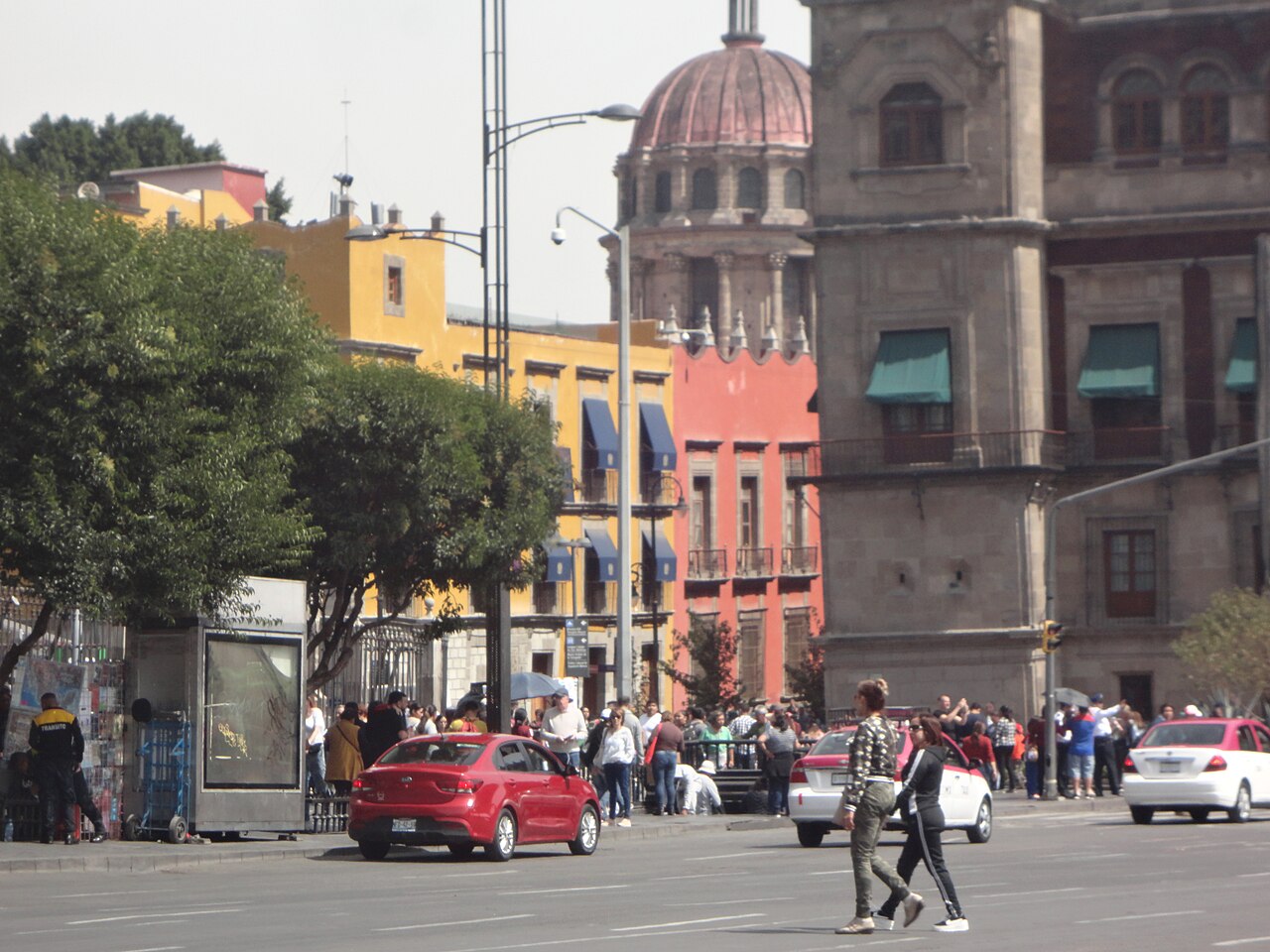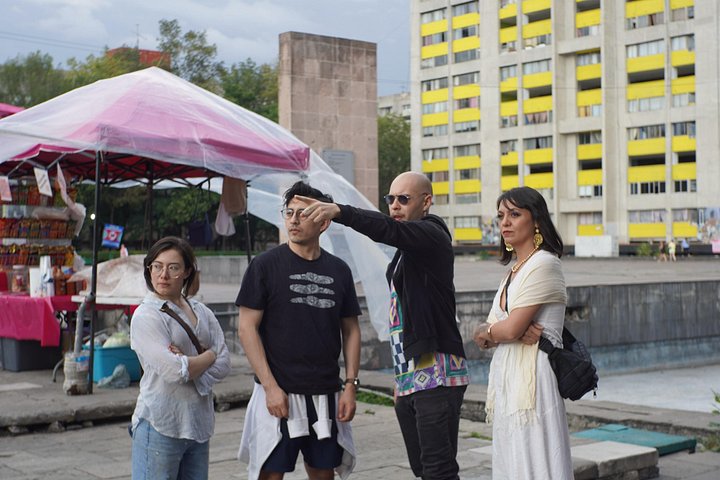
Tlatelolco is the Mexico City story in miniature. Here the Aztec twin city of Tenochtitlan had its great marketplace, the last stand of the Mexica fell in 1521, a Franciscan church rose from the ruins and, centuries later, a vast modernist housing estate surrounded them all. The Plaza of the Three Cultures brings those three layers together on one square: excavated pyramid bases with a view of the colonial Santiago church and the glass towers of the modern city. A guided visit explains the market, the sacrificial temples, the 1968 student massacre memorialized on the plaza and why this place matters so deeply to Mexican identity.
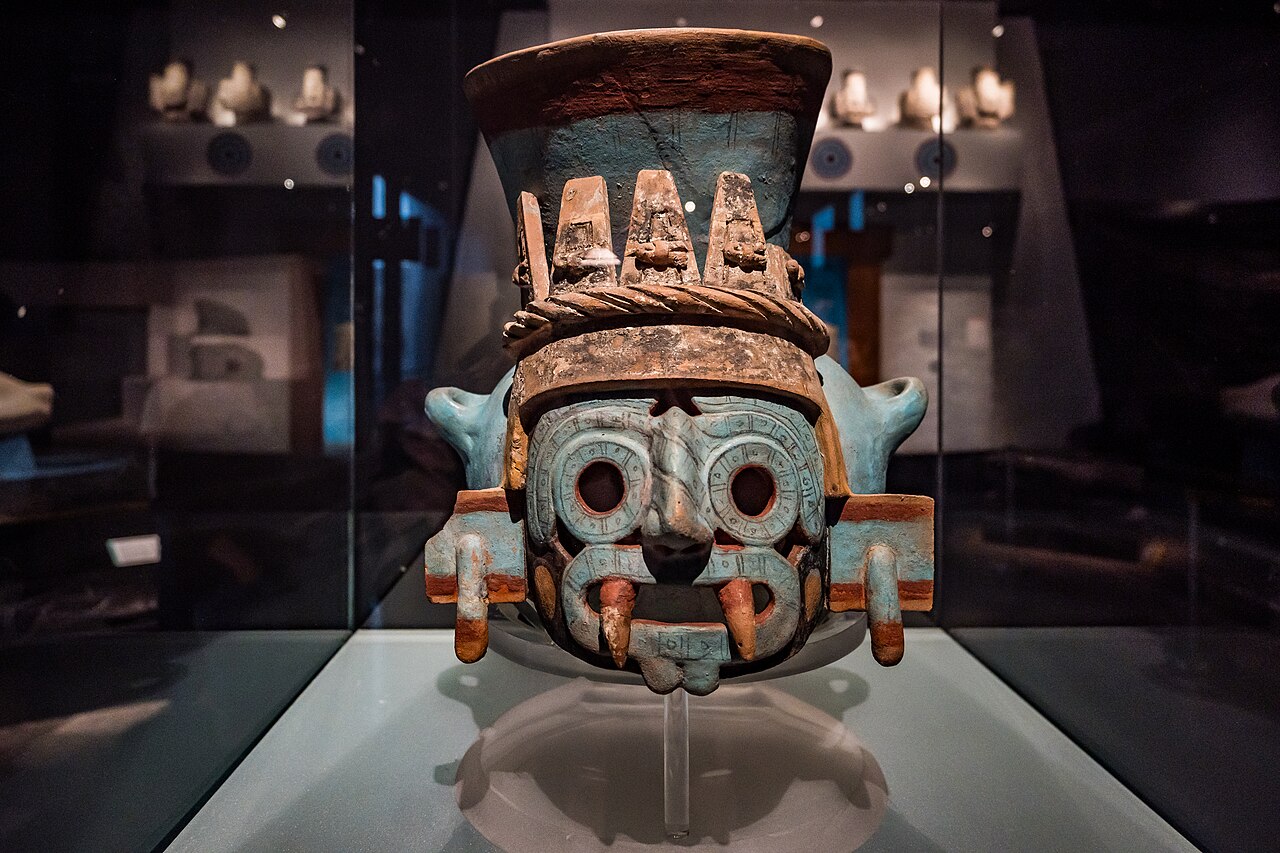
Before the Spanish arrived, Tlatelolco was a sister city to Tenochtitlan with the largest market in the Aztec world. Spanish chroniclers wrote with awe about its scale, the discipline of the traders and the variety of goods on offer. Today the excavated platforms and temples give a feeling of the ceremonial center, with stepped pyramid bases, carved stone, and traces of red and blue paint still visible in places.
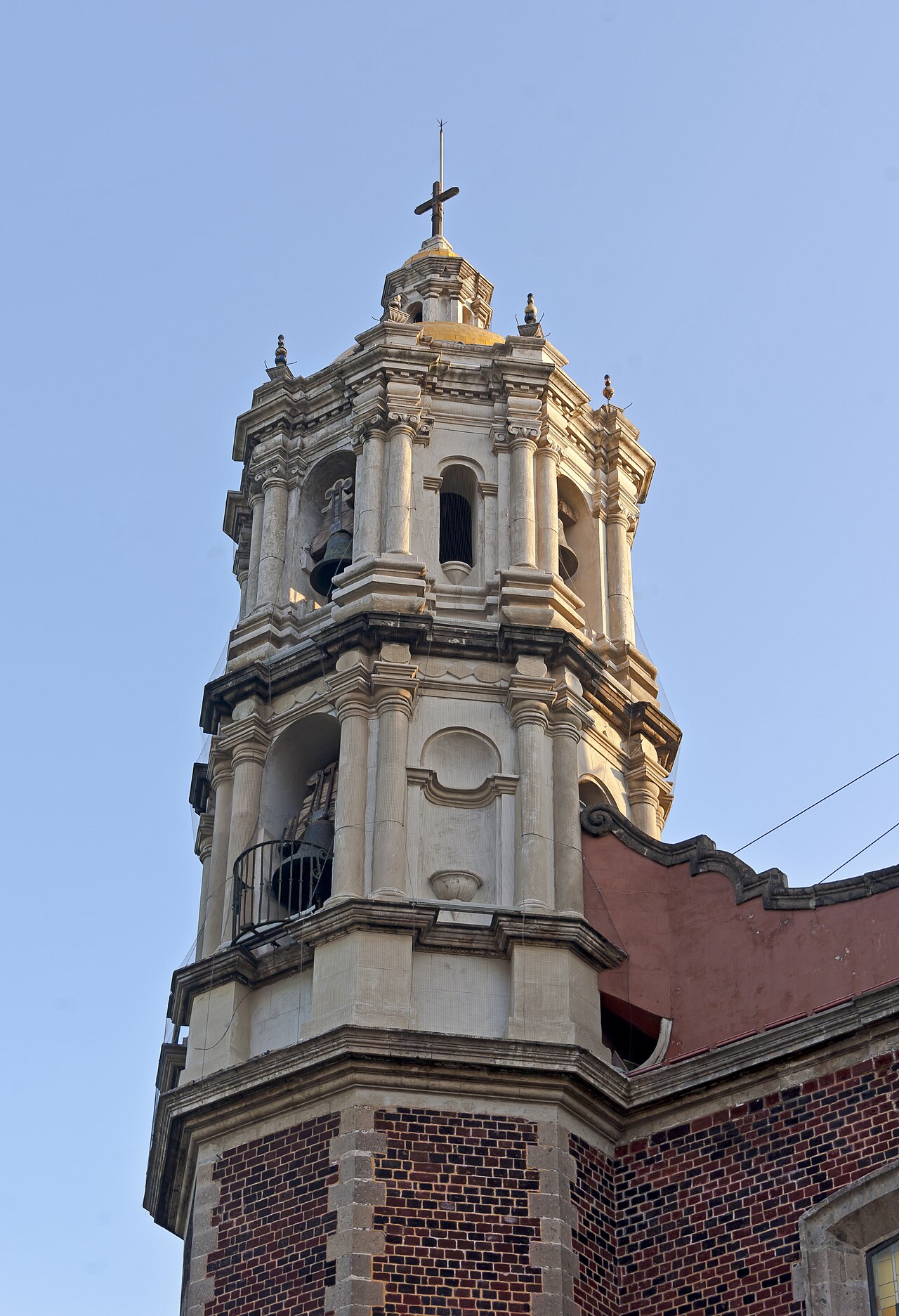
Beside them stands the Church of Santiago Tlatelolco, built from the stones of the temples, and the former Franciscan college of Santa Cruz, where Indigenous scholars once studied and preserved their knowledge in new forms.
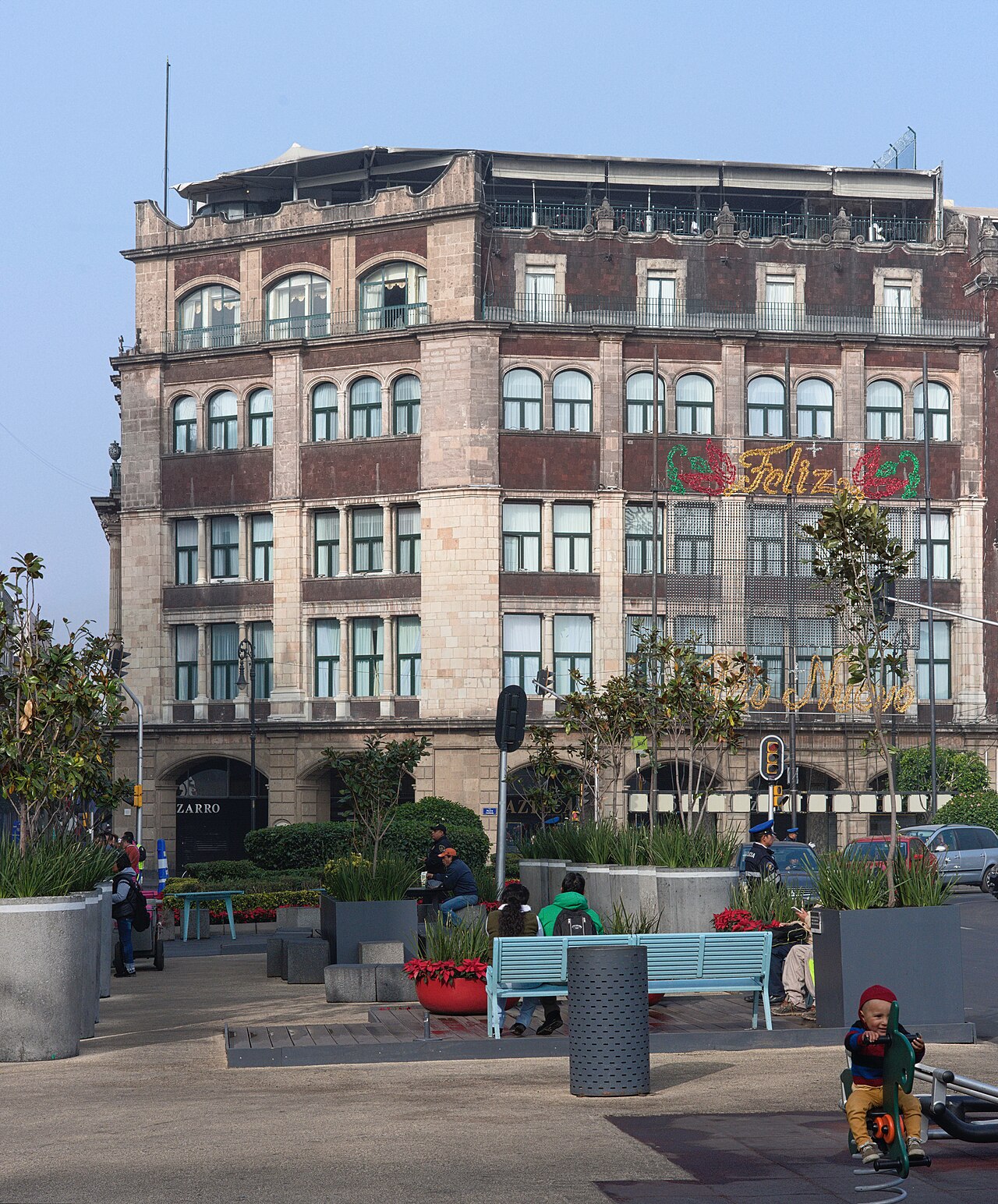
The plaza also carries a heavy modern memory. On 2 October 1968, days before the Olympic Games, soldiers opened fire on a student gathering here, killing many people. A memorial and museum now keep that history in view. The surrounding Nonoalco-Tlatelolco housing complex, a mid-century experiment in modern urban living, still stands and adds a third layer, so the stroll from ruin to church to concrete tower is a compact lesson in Mexican history.
Tours are usually led by an archaeologist or historian and last two to three hours. They often combine Tlatelolco with the Templo Mayor or the Basilica of Guadalupe, since the sites are close and the story of the conquest links them. Entry to the archaeological zone is inexpensive, and it is usually closed on Mondays.
Wear a hat in sun, bring water and allow time for the nearby markets and food stalls. Visit in the morning for gentler light, quieter paths and cooler air, and remember that the area is a working neighborhood, so move around with ordinary big-city awareness.
What to expect
The experience
A guided walk through the excavated Aztec precinct, the colonial church and the plaza memorial, usually led by a historian or archaeologist.
Best time
Weekday mornings, when the ruins are quiet and the light is soft. Closed Mondays.
How long
Two to three hours for a full guided visit.
Tips
Bring water and a hat. Pair with Templo Mayor in the same day to follow the conquest narrative. Go with a guide to unlock the market history and the 1968 memorial. Use rideshare to and from the site.
Quick picks
- Best for
- History lovers who want depth beyond the Zocalo and the big museums.
- Families
- Older children enjoy the open ruins; the political history is better suited to teens.
- Couples
- A reflective, uncrowded alternative to the main sights.
- Pair with
- Templo Mayor, the Basilica of Guadalupe or a market lunch downtown.
- Time needed
- Half a morning.
Good questions
Why is Tlatelolco important?+
It was the great market city of the Aztecs, the site of the final battle of the conquest and the place of the 1968 student massacre. Three eras of history sit on one plaza.
Is it safe to visit?+
The plaza and archaeological zone are visited by tour groups and school parties. Use ordinary urban precautions and registered transport, as anywhere in a big city.
Do I need a guide?+
A guide transforms the visit. The ruins are low and need interpretation, and the modern history is sensitive and complex.
How does it compare to Templo Mayor?+
Templo Mayor is more compact and has the museum, while Tlatelolco is larger, quieter and gives more feeling of the whole city. Doing both is ideal.
What days is it open?+
It is usually open daily except Mondays, but check local hours before you go.