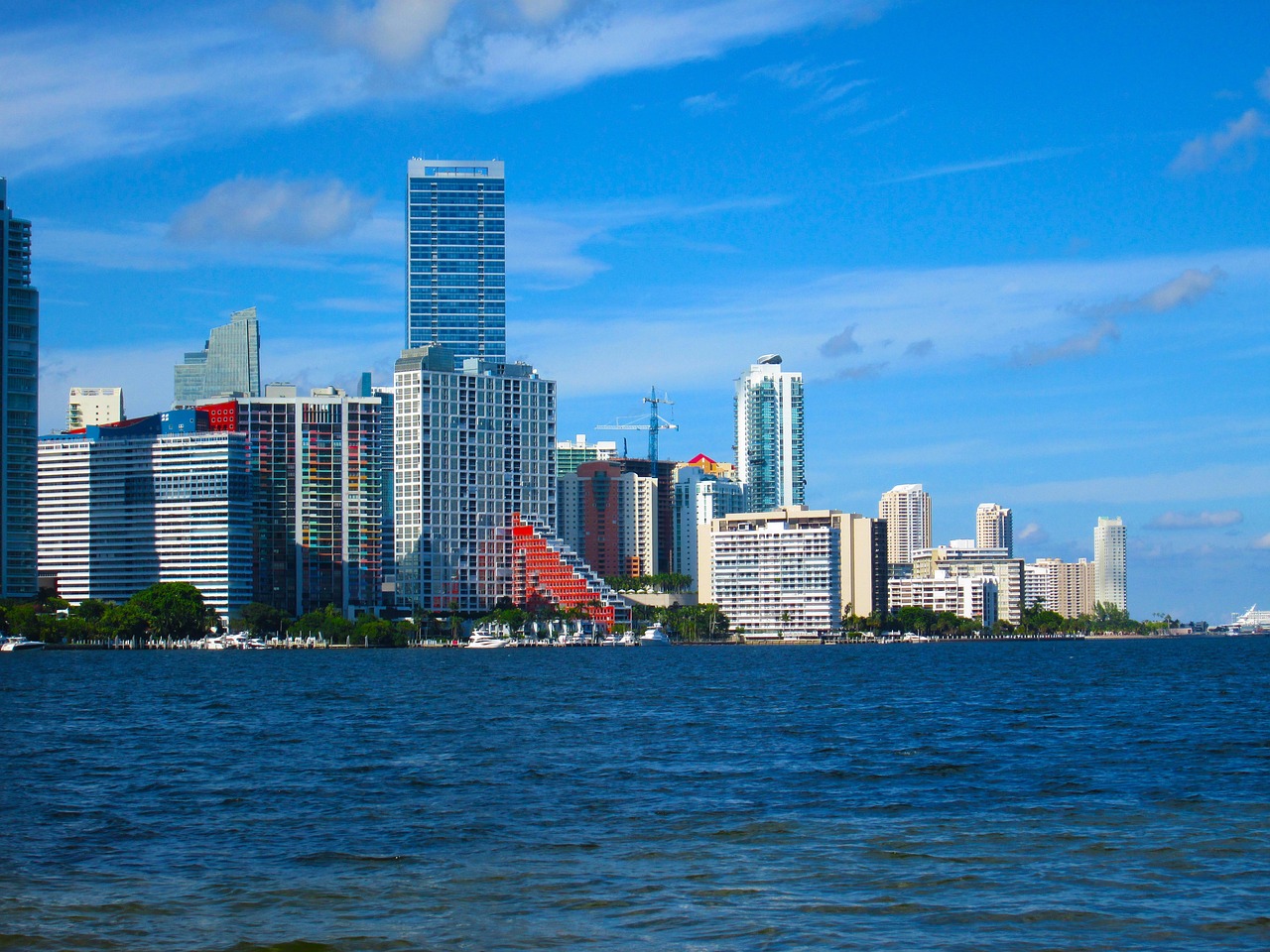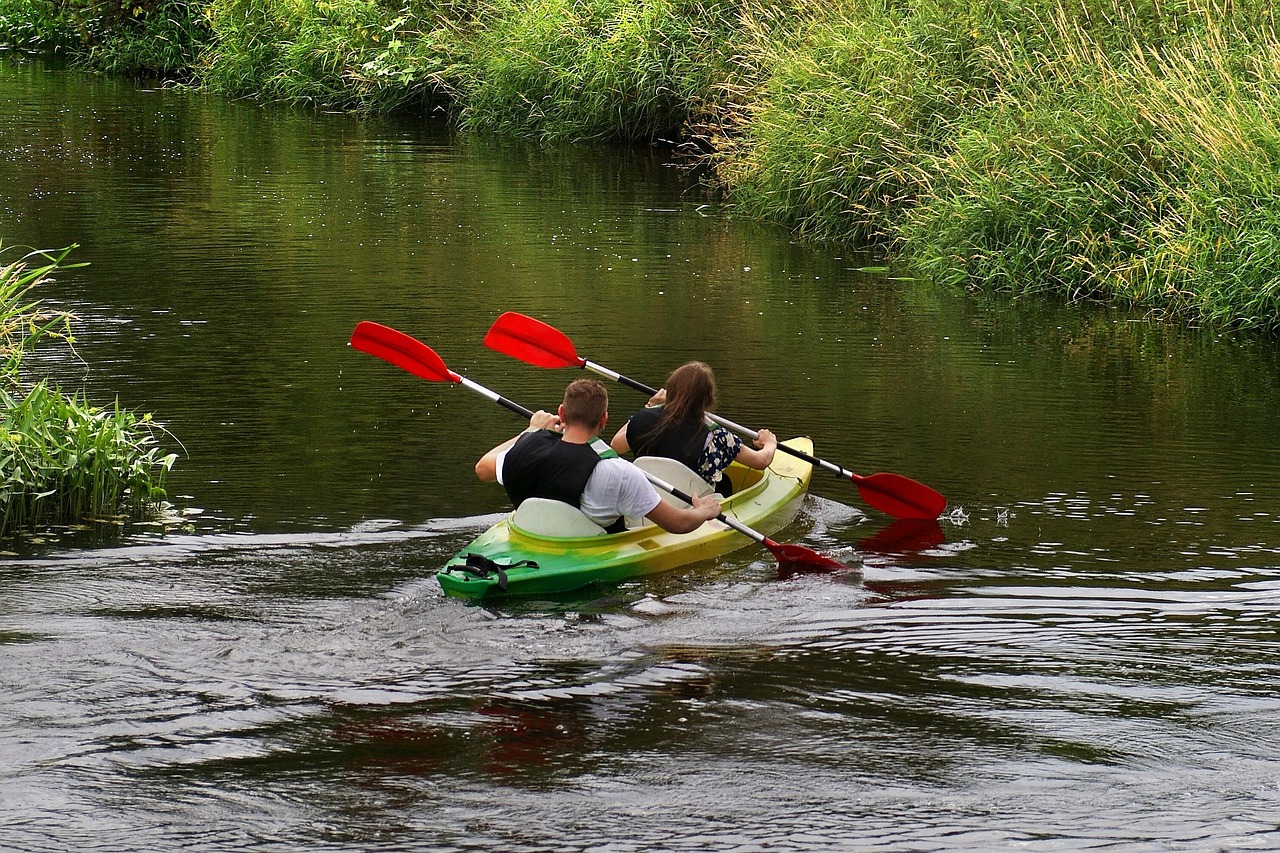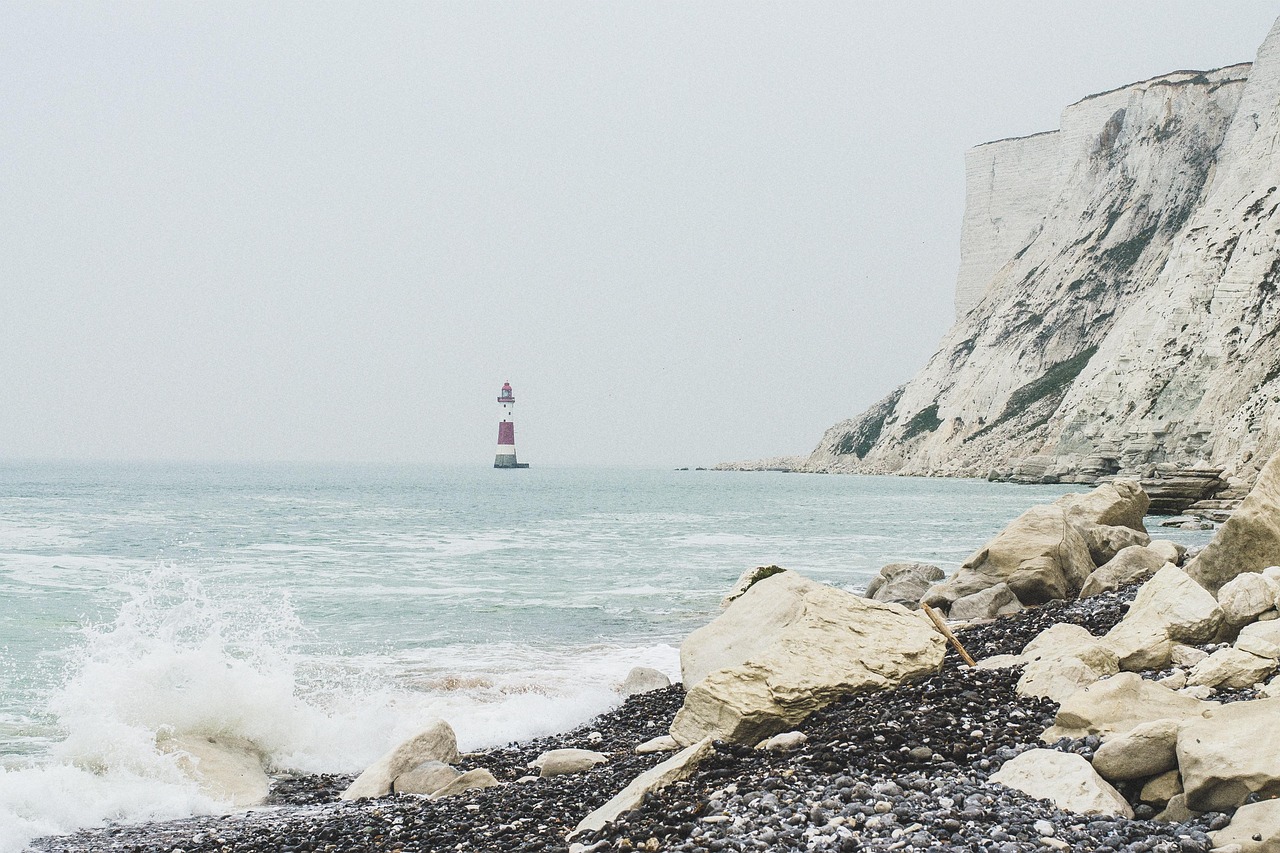
Bill Baggs Cape Florida State Park is Miami's great beach escape hiding in plain sight: the southern third of Key Biscayne (over the Rickenbacker Causeway — the drive across the bay is itself the warm-up act, with the Miami skyline in the mirrors) preserved as state park around the Cape Florida Lighthouse — South Florida's oldest standing structure (1825, besieged and burned in the Second Seminole War, rebuilt 1846, restored handsome) whose 109-step spiral climb opens the keeper's-eye panorama: the Atlantic's bands of turquoise, Stiltsville's ghost houses standing in the flats offshore (the 1930s-era shacks on pilings in the bay — the stories are half the view), and the skyline far north — with the beach below it routinely ranked among America's top ten: a mile-plus of honey sand facing open Atlantic, uncrowded by Miami standards always (the causeway toll and park entry filter the volume), with gentle surf, clear water, and the no-floatie seriousness of a natural beach. The park's supporting economy makes the full day easy: the two seaside restaurants (the Lighthouse Café's Cuban-coastal menu at the sand's edge — toston-and-ceviche lunches with sea view, a genuine upgrade on beach-concession norms), bike-and-skate rentals working the paved loops (the park plus Key Biscayne's lanes make the city's best easy cycling), kayak-and-paddle launches on the bay side's no-wake lagoon, fishing from the seawall jetty, and shaded picnic pavilions. Practicals write themselves: per-car entry (cheap), causeway toll (cheaper), arrive before 11 on winter weekends (the lot caps), and the pairing with Crandon Park's beach north or the Rusty Pelican's skyline-view drinks on the causeway home. Fit: beach connoisseurs (this is the city's best actual swimming), families (calm surf, pavilions, the lighthouse story), cyclists, and every trip needing one day where Miami means water, not scene.
The lighthouse carries real history
The 1825 tower guarded the reef passage until the 1836 siege — keeper's assistant and a Black seminole-war-era companion defending the burning tower is one of Florida's founding dramatic episodes (told at the keeper's cottage exhibits) — was rebuilt taller in 1846, decommissioned, and restored as the park's crown; the free ranger-led climbs (limited daily slots, first-come — mornings win) reward with the keeper's gallery view, and the Stiltsville sightline adds the modern lore: the offshore shacks (gambling-and-social clubs of the 1930s-60s, grandfathered against the park's waters, surviving hurricanes on their pilings) stand photogenic and off-limits, the stories told on the park's boards. The park's name honors the newspaper editor whose campaign saved the cape from development in 1966 — the counter-factual condo towers make the gratitude concrete.
The beach-day craft
The mile of sand grades from the lighthouse point's quieter south end (the connoisseur's towel placement) north toward the main pavilions (families cluster where the restaurants and rentals land), the Atlantic runs clearer than the mainland beaches (the key's position past the bay's outflow), seagrass wrack lines are natural-beach honest (the rake-free policy feeds the shorebirds — the trade for the clarity), and the no-lifeguard stretches post their flags. The bay side flips the register: the no-wake lagoon's paddle launches, the seawall's fishing culture, and the sunset-over-skyline angle that makes the park's western edge the day's correct close.
Practicals and fit
The Rickenbacker's toll plus modest per-car entry; winter-weekend lots cap by 11 (arrive early or embrace Crandon's overflow); rentals, cafes, and pavilions in-park; the full Key Biscayne day stacks Crandon's beach, the key's village lunch tier, and the causeway's view stops. Fit: the trip's real-swimming day, families on the calm-surf-and-pavilion formula, cyclists (bring or rent — the key is the city's best easy riding), lighthouse-and-history collectors, and photographers at the keeper's gallery — the skyline-from-the-sea-tower shot is Miami's least-taken great photo.
What to expect
The experience
A state-park beach day at Key Biscayne's tip — the mile of ranked Atlantic sand, the 109-step lighthouse climb with Stiltsville views, seaside Cuban-coastal cafes, bike loops, and bay-side paddling.
Best time
Before 11 on winter weekends (the lot caps); morning slots for the free lighthouse climbs; the bay side's sunset-over-skyline closes the day.
How long
A half day minimum; the full day comes easily.
Tips
Climb first, swim second — the ranger-led lighthouse slots go first-come mornings. The south end near the point is the connoisseur's towel placement. The Lighthouse Café beats every beach concession in the county.
Quick picks
- Best for
- The city's best actual swimming — the day Miami means water, not scene.
- Families
- Calm surf, pavilions, rentals, and a lighthouse story with a siege in it.
- Couples
- The keeper's gallery view, the quiet south sand, and the causeway's sunset drink home.
- Pair with
- Crandon Park's beach north; the Rusty Pelican's skyline terrace on the causeway return.
- Time needed
- One full escape day, toll included.
Good questions
Is the beach really top-ten?+
Routinely ranked there — a mile-plus of honey sand on clear open Atlantic, filtered to uncrowded by the causeway toll and park entry. It is the city's best actual swimming.
Can we climb the lighthouse?+
Free ranger-led climbs run limited daily slots, first-come — mornings win — up 109 steps to the keeper's gallery: turquoise bands, Stiltsville's ghost shacks, and the skyline north.
What is Stiltsville?+
The 1930s-60s social-club shacks standing on pilings in the offshore flats — grandfathered, off-limits, hurricane-surviving, and the view's best stories, told on the park boards.
Why is there seaweed on the sand?+
Natural-beach policy — the rake-free wrack feeds shorebirds and keeps the water clarity that raked resort sand trades away. The swim is the payoff.
When does it fill up?+
Winter weekends cap the lots by 11ish — arrive early, or land at Crandon Park's bigger beach north and try again later.