The Paradox Museum is built around the idea that your eyes and brain do not always agree, and the rooms are designed to prove it. Visitors move through a series of interactive installations that play with perspective, gravity, scale and perception: spaces that appear to tilt, rooms that make people look giant or tiny, and displays that look different depending on where you stand. It is a hands-on, photo-friendly experience, and the point is to participate rather than simply look, which is why it works well for groups, families and visitors who want something different from a traditional museum. A visit is short, usually around an hour, and it is fully indoors, making it a useful wet-weather or midday-heat option. It is not a deep cultural institution, and it does not pretend to be; it is a playful way to spend an hour, with a bit of science behind the fun.
The exhibits are meant to be touched, stepped into and photographed. Many illusions only work from a specific vantage point, so staff or signs usually mark where to stand and how to pose. You will likely spend more time on a few rooms than on others, and that is part of the charm: getting a perfect photo of an impossible angle takes a couple of tries and some teamwork. Bring a phone with a decent camera and charge it fully, as the photo opportunities are a main draw.
Think about who the experience suits. Children and teens usually enjoy the physical, puzzle-like quality of the rooms, and adults often find themselves just as absorbed. It is a good choice for mixed-age groups where not everyone wants to read long exhibit labels. If anyone in your party is prone to dizziness or motion sensitivity, note that some rooms are designed to disorient, and it is fine to skip those or take breaks. Comfortable shoes and flexible clothing help, since you may bend, tilt or pose.
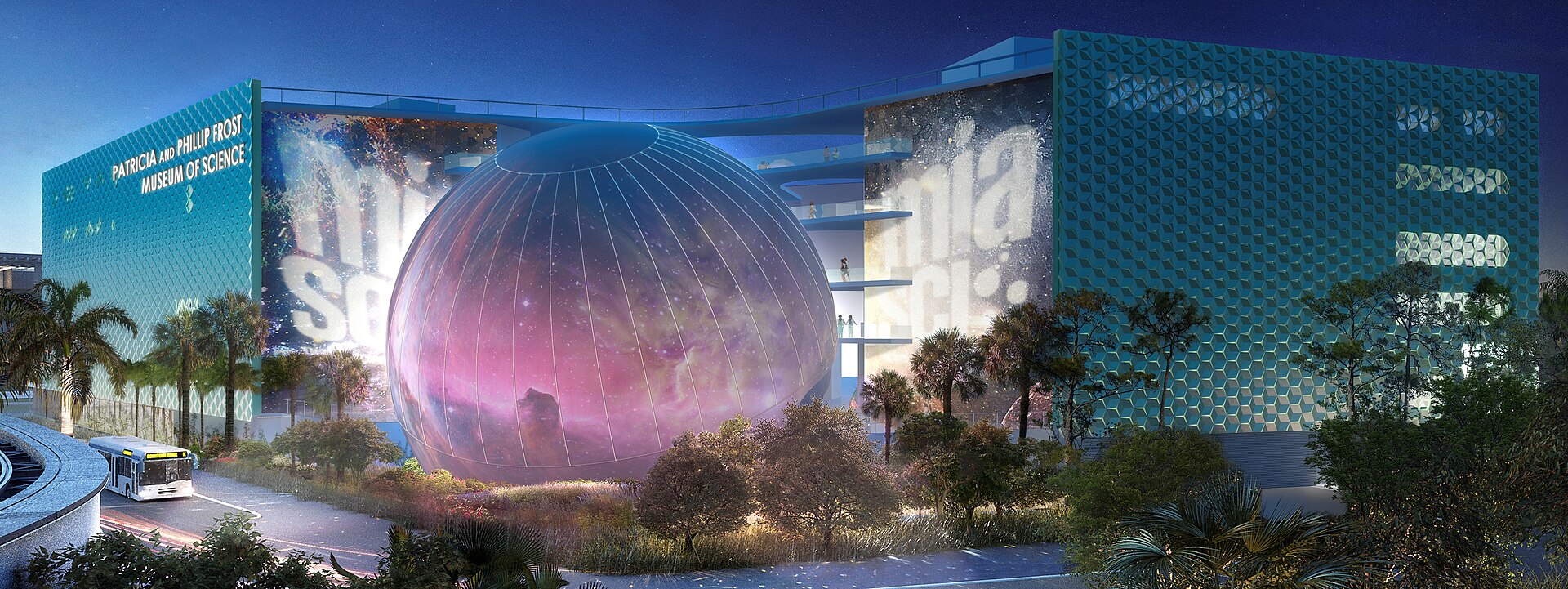
To plan your visit, check the ticket type, entry times and any rules on bags and photography. Tickets are typically timed, and weekends and school holidays are busiest, so earlier slots give more room to take photos without queues. The museum is a pleasant add-on to a day downtown, or a filler between the beach and dinner. It is best seen as a lighthearted hour rather than a major sight, and visitors who go in expecting fun usually leave happy. Pair it with another indoor option such as Frost Science for a full rainy-day itinerary.
What to expect
The experience
An indoor, hands-on museum of optical illusions and perception-bending rooms designed for photos and play.
Best time
Earlier timed slots and weekdays for fewer crowds; useful during rain or midday heat.
How long
About one hour to an hour and a half.
Tips
Charge your phone, follow the marked photo spots, take breaks if you feel dizzy, and check entry times in advance.
Quick picks
- Best for
- Families, groups and anyone wanting a light, playful indoor hour.
- Families
- A good fit for kids and teens who like interactive experiences.
- Couples
- A fun, photo-filled activity that is easy to fit between meals.
- Pair with
- Frost Science or Bayside Marketplace for an indoor-and-bay day.
- Time needed
- About an hour.
Good questions
What is the Paradox Museum?+
An interactive museum of illusions, with rooms and installations that play with perspective, gravity and scale.
How long does it take?+
Most visitors spend about an hour to an hour and a half.
Is it good for kids?+
Yes. Children and teens usually enjoy the hands-on, puzzle-like rooms.
Is it a good rainy-day option?+
Yes. It is fully indoors and works well in wet weather or midday heat.
Should I bring a camera?+
Absolutely. Photo opportunities are a main appeal, so bring a charged phone.