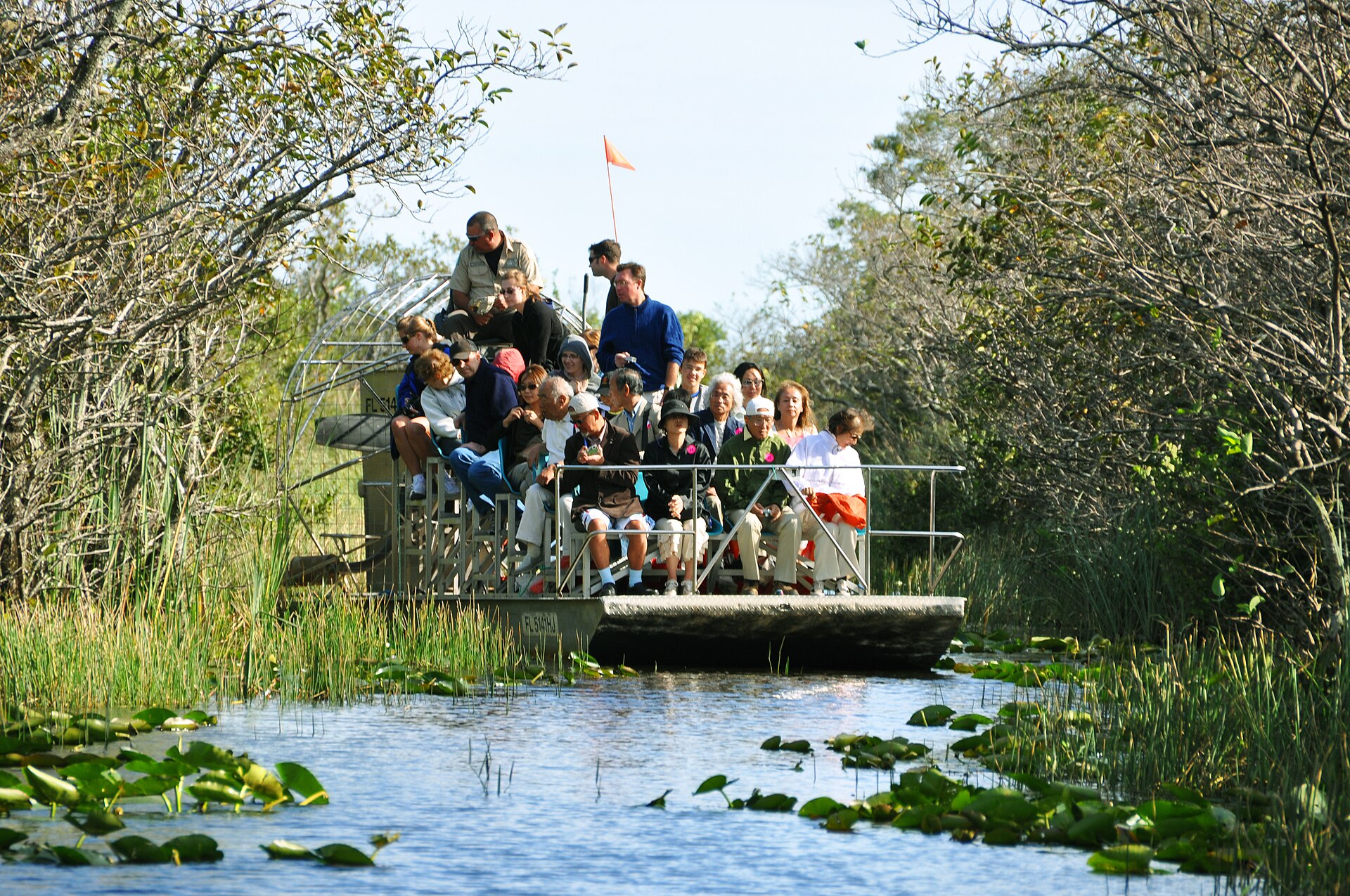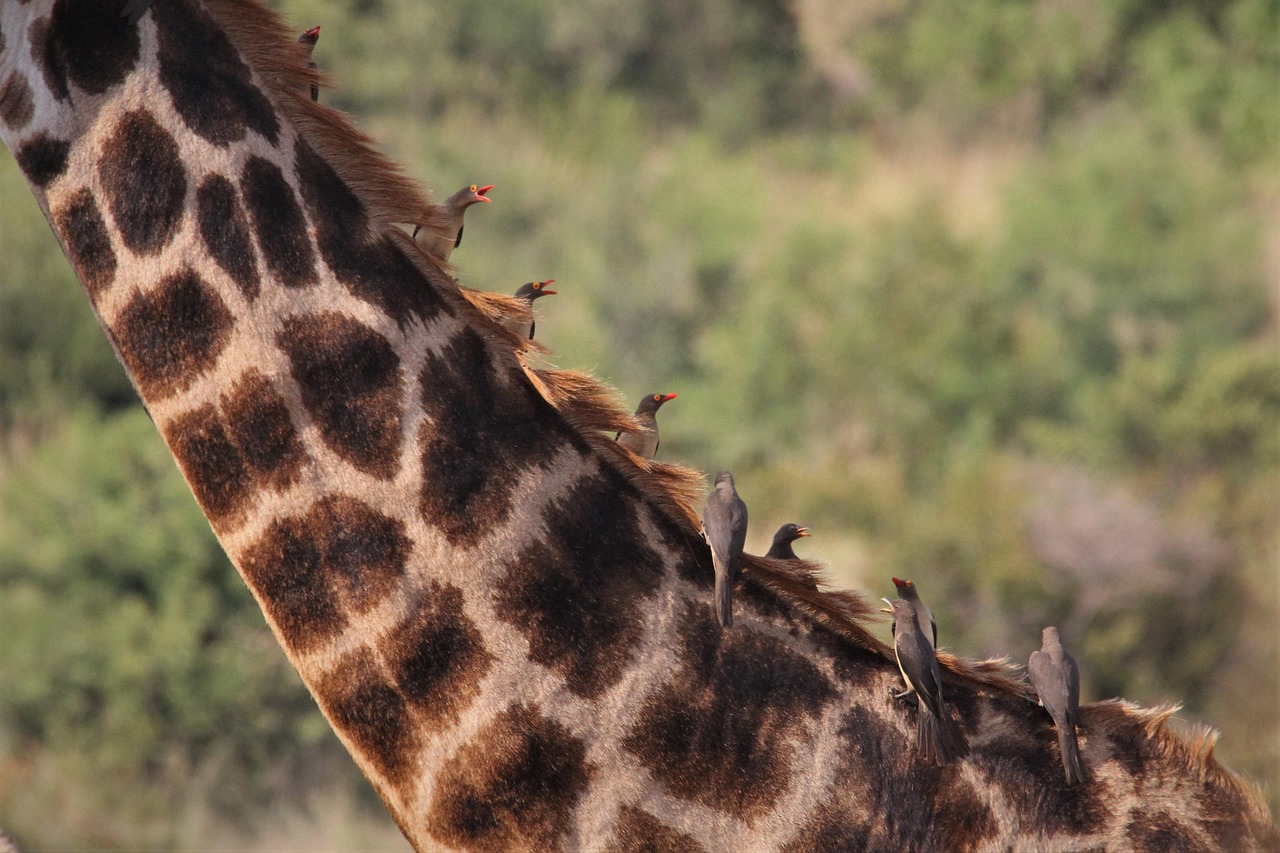
Zoo Miami is the largest and oldest zoo in Florida and the only subtropical zoo in the continental US — a 750-acre spread (340 developed) whose climate advantage defines the experience: animals from Asia, Africa, and the Americas live outdoors year-round in open, moated habitats rather than caged buildings — the cageless design (pioneered here after Hurricane Andrew's 1992 rebuild) putting lions, elephants, and rhinos across grass-and-water sightlines that photograph like the savanna. The scale demands strategy: 3,000-plus animals across four continental trails and the signature Florida: Mission Everglades wing (the local ecosystem done properly — otters tubing past viewing windows, crocodiles, the airboat-themed ride tier), with the participation economy as the family engine: giraffe feedings at the Samburu station (the trip's guaranteed core memory, modest fee), rhino encounters, the aviary's lorikeet nectar chaos, camel rides seasonal, and Everglades-adjacent paddleboats. The distances are real — this is where the safari-cycle rentals (the pedal canopy-carts everyone mocks and then rents) and the monorail earn their fees: four people on a cycle beats four sets of melted legs, and the monorail's loop doubles as the overview tour. Timing is subtropical logic: gates-at-opening or the 3pm-onward window (midday heat sends animals and humans to shade — summer visits front-load the trails and finish indoors), water bottles non-negotiable, and the southern location (Kendall, 45 minutes from South Beach) makes it the natural pairing with Deering Estate or the Redland's fruit stands rather than a beach-day add-on. Fit: families wholesale — this is Miami's biggest kid day — plus animal photographers on the cageless sightlines.
The zoo's history explains its design edge: the collection moved from Crandon Park's cramped island zoo in the early 1980s to the former Richmond Naval Air Station's acreage, built cageless from the start, then was devastated by Hurricane Andrew's direct hit in 1992 (the aviary flattened, the recovery a civic saga) and rebuilt into the current standard: moats and elevation instead of bars, climate-appropriate species thriving outdoors (the Asian elephants' herd, the African painted dogs, Komodo dragons and tigers in humidity they recognize), and the accreditation-tier conservation programs (the zoo's field work on Florida panthers, gopher tortoises, and the invasive-python fight gives the Everglades wing its teeth).
Doing 750 acres correctly
Enter at opening, ride the monorail's full loop first (the overview makes the map legible), then work ONE continent deeply rather than all four thinly — Africa's plains (giraffe feeding station mid-morning before the queue) and the Everglades wing being the first-visit pair — with the safari-cycle rental decision made at the gate (families with under-tens: rent it; the mockery fades by the second trail). The feeding-and-encounter schedule posts daily — giraffe feedings anchor, the rhino and sloth encounters book out school-break weeks — and the splash pads plus the Everglades otter windows are the heat-management waypoints. Summer afternoons bring the daily rain hour; the covered tier and the indoor Everglades galleries absorb it.
Practicals and fit
SW 152nd Street in Kendall (45 minutes from the beaches — go against traffic in the morning), modest parking, gates roughly 10-5 with the opening hour the animal-activity peak, safari cycles and monorail à la carte, outside water bottles welcome. Fit: families first and absolutely (the participation ladder runs toddler to teen), animal-first travelers who want savanna sightlines without the safari airfare, and itinerary planners pairing the south-Miami day — zoo morning, Deering Estate or the Redland's fruit-and-milkshake stands after.
What to expect
The experience
The country's only subtropical zoo — 3,000 animals in cageless moated habitats across continental trails and the Everglades wing, with giraffe feedings, safari cycles, and a monorail taming the acreage.
Best time
Gates at opening (animal-activity peak) or 3pm onward; summer middays send everyone to shade — plan the indoor Everglades galleries for the heat hour.
How long
A half day minimum; committed families run it full.
Tips
Monorail loop first — it makes the map legible. Rent the safari cycle with under-tens; the mockery fades by trail two. Giraffe feeding mid-morning before the queue builds.
Quick picks
- Best for
- Miami's biggest family day — and savanna sightlines without the airfare.
- Families
- The participation ladder — giraffe feedings, lorikeet nectar, splash pads — runs toddler to teen.
- Couples
- The cageless sightlines at opening hour photograph like a safari; the crowds arrive later.
- Pair with
- Deering Estate or the Redland fruit stands for the south-Miami day; not a beach-day add-on.
- Time needed
- One early-started half-to-full day.
Good questions
What does cageless mean?+
Moats and elevation instead of bars — the subtropical climate lets lions, elephants, and rhinos live outdoors year-round across open sightlines, a design pioneered in the post-Andrew rebuild.
Are the giraffe feedings worth it?+
The trip's guaranteed core memory at a modest fee — the Samburu station runs them daily; go mid-morning before the queue builds.
How do we handle the size?+
Monorail overview first, then one continent deeply rather than four thinly — and the safari-cycle rental is the family's correct call on 750 subtropical acres.
When is it too hot?+
Summer middays send animals and humans to shade — gates-at-opening or 3pm-onward windows win, with the indoor Everglades galleries absorbing the heat hour.
How far from South Beach?+
Forty-five minutes south in Kendall, against traffic in the morning — pair it with Deering Estate or the Redland rather than squeezing it into a beach day.