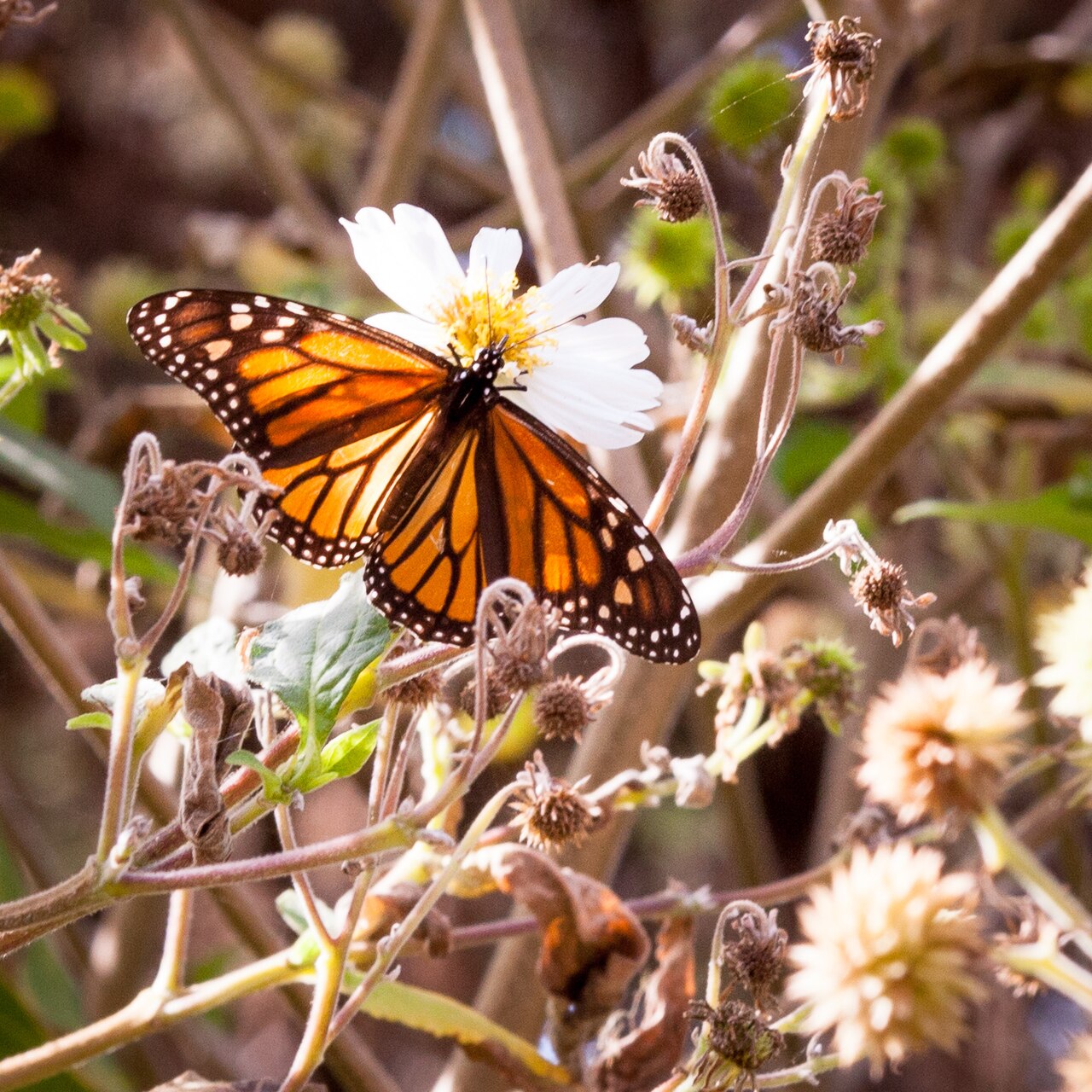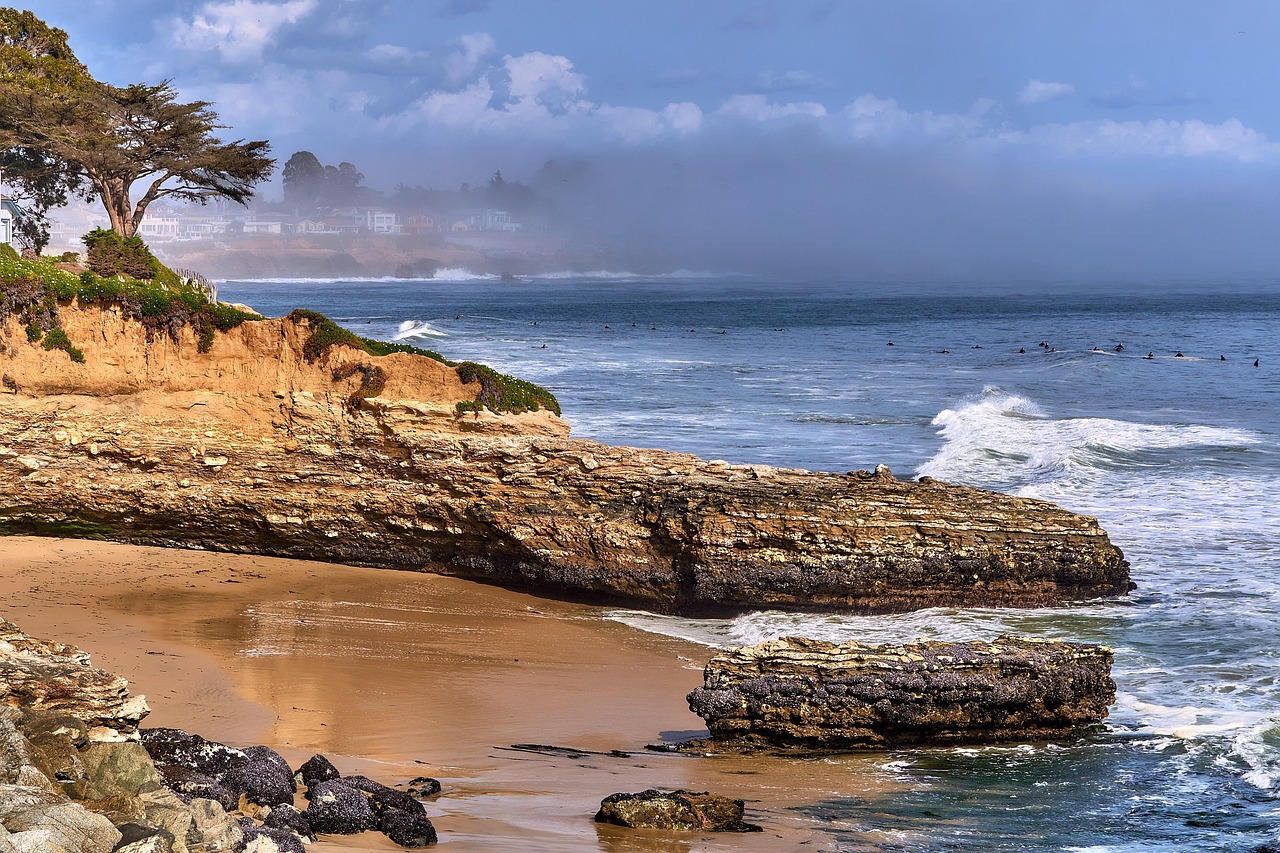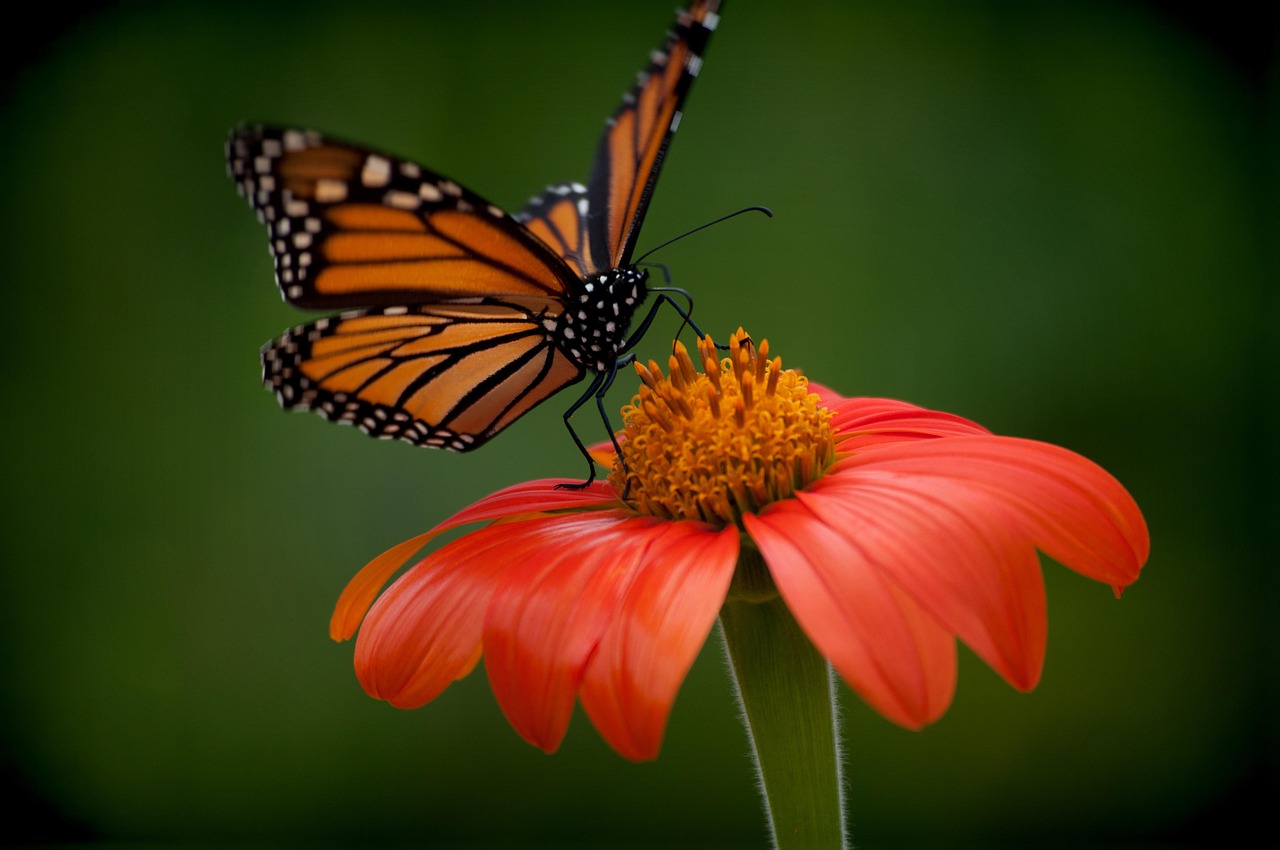
Natural Bridges State Beach packs three of the Central Coast's best free-or-nearly-free experiences into one small park on the western edge of Santa Cruz. The namesake is the sea arch standing just offshore from a sandy cove: once there were several, but the ocean has taken the others, and the survivor makes a dramatic silhouette at sunset with pelicans and cormorants roosting on top. The tide pools on the rocky shelf to the west are some of the richest on the bay, part of a Marine Protected Area where you can look closely (sea stars, anemones, hermit crabs, sculpins, the occasional octopus) but must not touch or take. And from mid-October into February the park hosts one of California's notable monarch butterfly overwintering sites: thousands of monarchs cluster in a eucalyptus grove reached by an accessible boardwalk that ends at an observation deck, and on warm, sunny afternoons they unfurl and flutter through the canopy in a genuinely magical display (late October and November are usually the peak, and around 10,000 overwintered here in 2024). Volunteers and rangers run weekend tide pool walks when the tide is low enough and monarch talks in season, and the visitor center explains both. Entry for walkers and cyclists is free; drivers pay a modest vehicle day-use fee. Fit: families (tide pools plus butterflies is a perfect kid combination), wildlife lovers, couples at sunset, and first-timers in Santa Cruz who want the city's wild side.
The monarchs are the seasonal star. Western monarchs travel from across the West to overwinter in sheltered coastal groves, and Natural Bridges has protected one of the most visited sites for decades. Numbers rise and fall dramatically from year to year, so rangers post current counts; on cool, foggy mornings the butterflies hang in dense, leaf-like clusters, and as the day warms they begin to fly.
Quiet is part of the etiquette
No dogs, bikes or skateboards on the boardwalk, and do not touch the butterflies. The park's Migration Festival in February celebrates the season's end.
The tide pool craft
Check a tide table and aim for a low tide of about two feet or lower, ideally in the morning in winter or spring when the lowest tides fall in daylight. Wear shoes with grip, watch for sudden waves, step only on bare rock, and check at the entrance or visitor center before going out. Weekend docent-led tide pool tours (when tides allow) are the best introduction for kids. For the arch, sunset from the beach or the bluff to the east is the classic view.
Practicals and fit
West Cliff Drive and Swanton Boulevard, Santa Cruz, about an hour north of Monterey and minutes from the Seymour Marine Discovery Center. Open 8 am to sunset; the visitor center keeps daily hours from October through January and shorter hours the rest of the year. Fit: families, wildlife lovers, photographers and anyone visiting Santa Cruz between October and February.
What to expect
The experience
A small state beach with a sandy cove, an offshore sea arch, protected rocky tide pools and a eucalyptus grove where thousands of monarchs overwinter, reached by an accessible boardwalk.
Best time
Mid-October to mid-February for monarchs, with late October and November usually the peak; warm, sunny afternoons bring the most flying. Low tides of two feet or less for tide pools; sunset for the arch.
How long
Two hours covers the grove, the tide pools and the beach; longer with a docent walk.
Tips
Check tide tables and monarch counts before going. Park outside and walk in to skip the vehicle fee, or pay at the kiosk. Wear grippy shoes on the rocks, keep quiet in the grove, and do not touch the butterflies or tide pool animals.
Quick picks
- Best for
- Monarchs, tide pools and a sea arch in one easy stop.
- Families
- Ideal: an accessible boardwalk, weekend tide pool walks and a sandy cove.
- Couples
- Sunset over the arch, then dinner along West Cliff or downtown.
- Pair with
- The Seymour Marine Discovery Center next door, or the Santa Cruz Beach Boardwalk.
- Time needed
- Two to three hours.
Good questions
When can you see monarch butterflies at Natural Bridges?+
Monarchs typically arrive in mid-October and leave by mid-February. Late October and November are often best, and warm, sunny afternoons bring the most activity. Numbers vary a lot from year to year.
Is there an entry fee?+
Walking and cycling in is free. Drivers pay a modest vehicle day-use fee at the park; rates can change and may be higher on peak days.
When is the best time for tide pooling?+
When the tide is about two feet or lower. Check a tide table and plan around it; weekend docent-led tours run when tides allow, and rain cancels them.
Is the monarch grove accessible?+
Yes. A wheelchair- and stroller-accessible boardwalk leads from near the visitor center to an observation deck in the eucalyptus grove.
Can I bring my dog?+
Dogs are not allowed on the monarch boardwalk or in the grove, and rules on the beach are restrictive. Check the park page before bringing a pet.