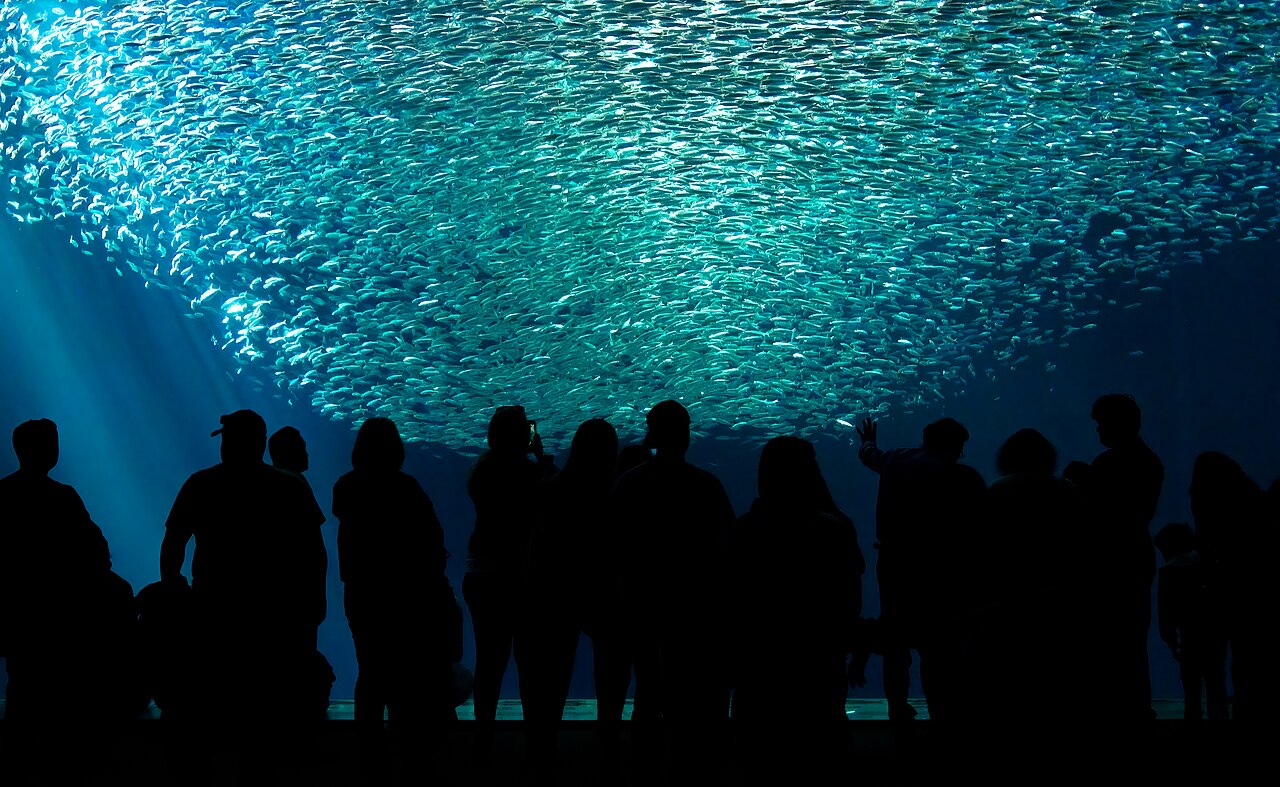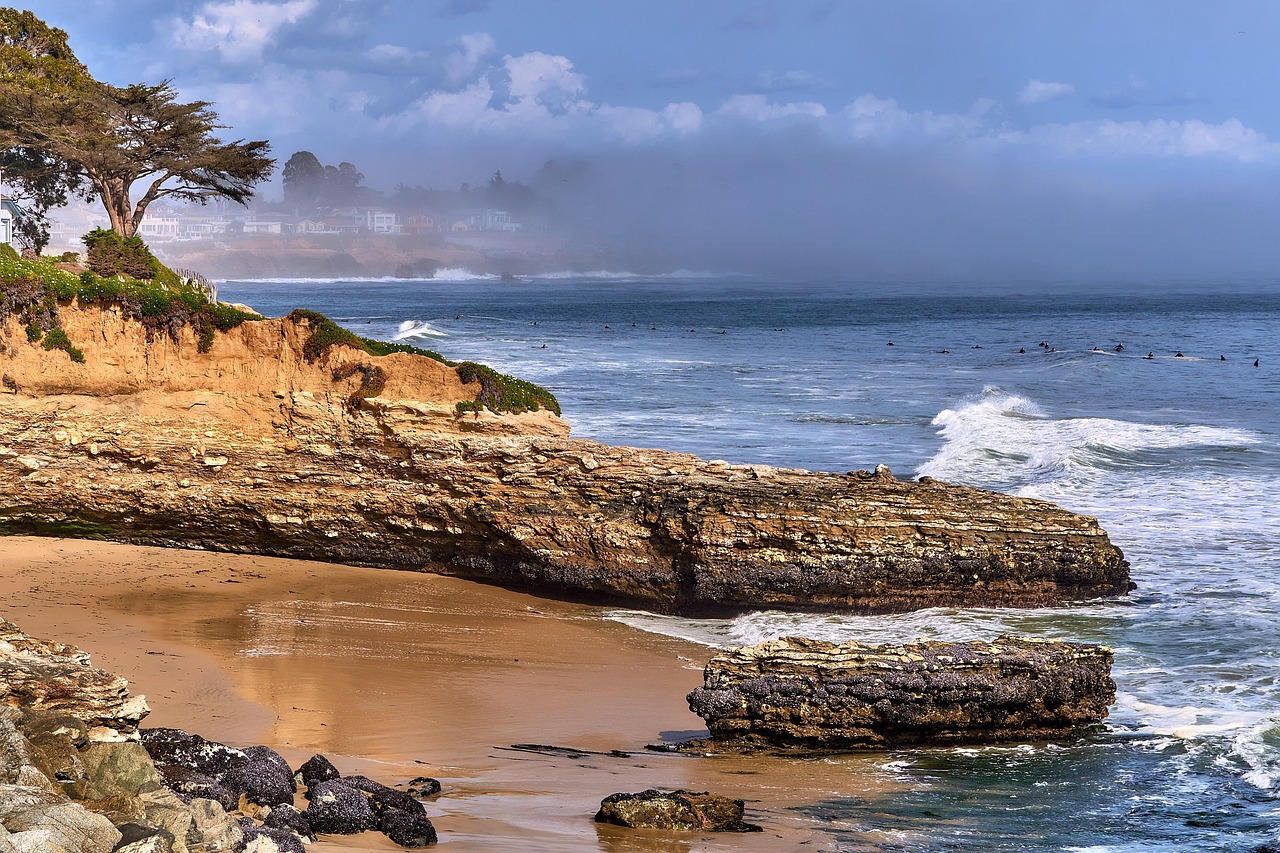
The Seymour Marine Discovery Center is the smart, uncrowded counterpart to the big aquarium down the bay: the public face of UC Santa Cruz's Long Marine Laboratory, set on a bluff at the western edge of Santa Cruz where the campus scientists study whales, seals, sea otters and coastal ecosystems. The first thing you see is the showstopper, one of the largest blue whale skeletons on display anywhere, suspended outside the entrance and long enough that it takes a minute to walk its length; the docents tell the story of how it was recovered and reassembled, and it is a genuinely humbling way to grasp the size of the largest animal that has ever lived. Inside, the exhibits are compact but hands-on: touch pools staffed by trained volunteers where kids can gently handle sea stars and anemones, aquarium tanks with sharks, jellies and octopus, and displays that explain current research at the lab, from marine mammal physiology to ocean health. Daily tours (included with admission, first come, first served) go deeper, and the bluff-top trails outside look straight out over the bay. Because it is smaller and less famous than the Monterey Bay Aquarium, it rarely feels crowded, and admission is far lower. It is open Tuesday through Sunday and closed Mondays. Fit: families with curious kids, science-minded adults, first-timers in Santa Cruz, and anyone who loved the aquarium and wants to meet the research side of the bay.
Long Marine Lab has been one of the West Coast's important marine research stations for decades, and the Seymour Center was built to let the public see that work up close. The tone is educational rather than theatrical: volunteers and student docents are happy to explain what the scientists are studying, and the displays change as research evolves, so even repeat visitors find something new. The blue whale skeleton is both a draw and a message about the recovery of great whales in Monterey Bay, which is now one of the best places on earth to see blue whales in late summer and fall.
The visit craft
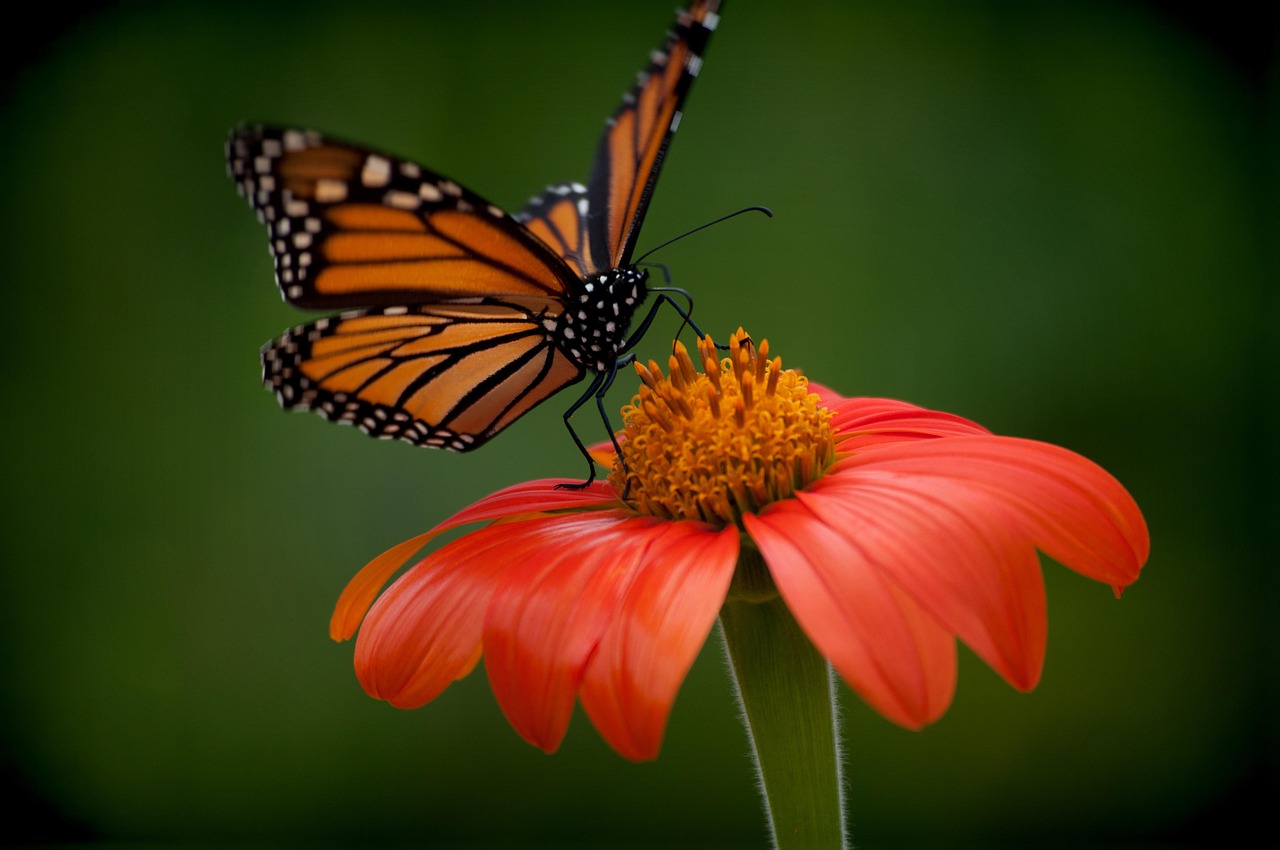
Buy tickets online for busy weekends and holidays, plan for about one and a half to two hours, and time your visit around a daily tour for the best context. Bring layers for the bluff walk, and combine the stop with Natural Bridges State Beach, a few minutes away, for tide pools and (in late fall and winter) the monarch butterfly grove. Children under three enter free, and some groups get free or reduced admission; check the tickets page for current details.
Practicals and fit
100 McAllister Way, Santa Cruz, on the coastal edge of the west side, about an hour from Monterey. Open Tuesday to Sunday, 10 to 4, closed Mondays. Fit: families, science lovers and anyone who wants a quieter, more personal take on Monterey Bay marine life.
What to expect
The experience
A university marine-science center with a giant blue whale skeleton outside, volunteer-staffed touch pools, aquarium tanks with sharks, jellies and octopus, daily docent tours and bluff-top trails.
Best time
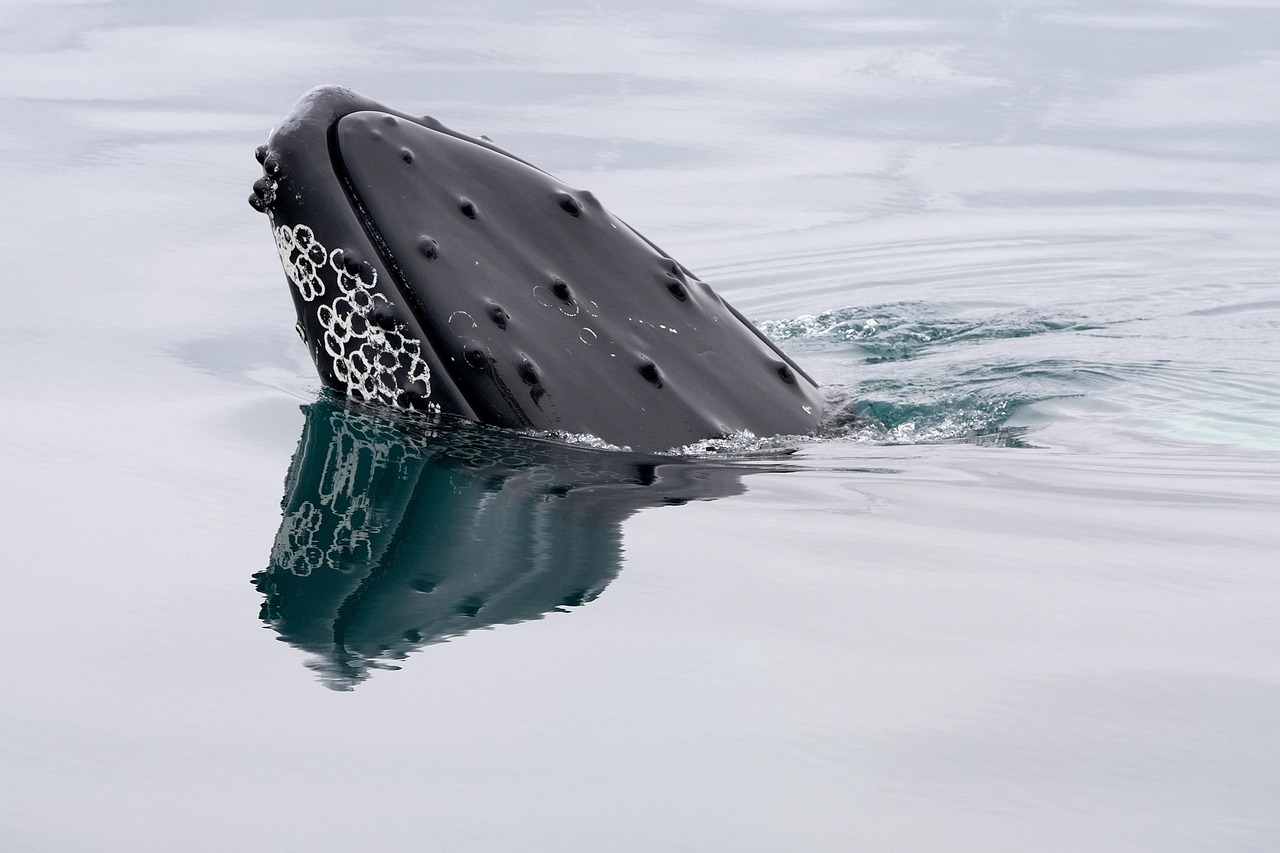
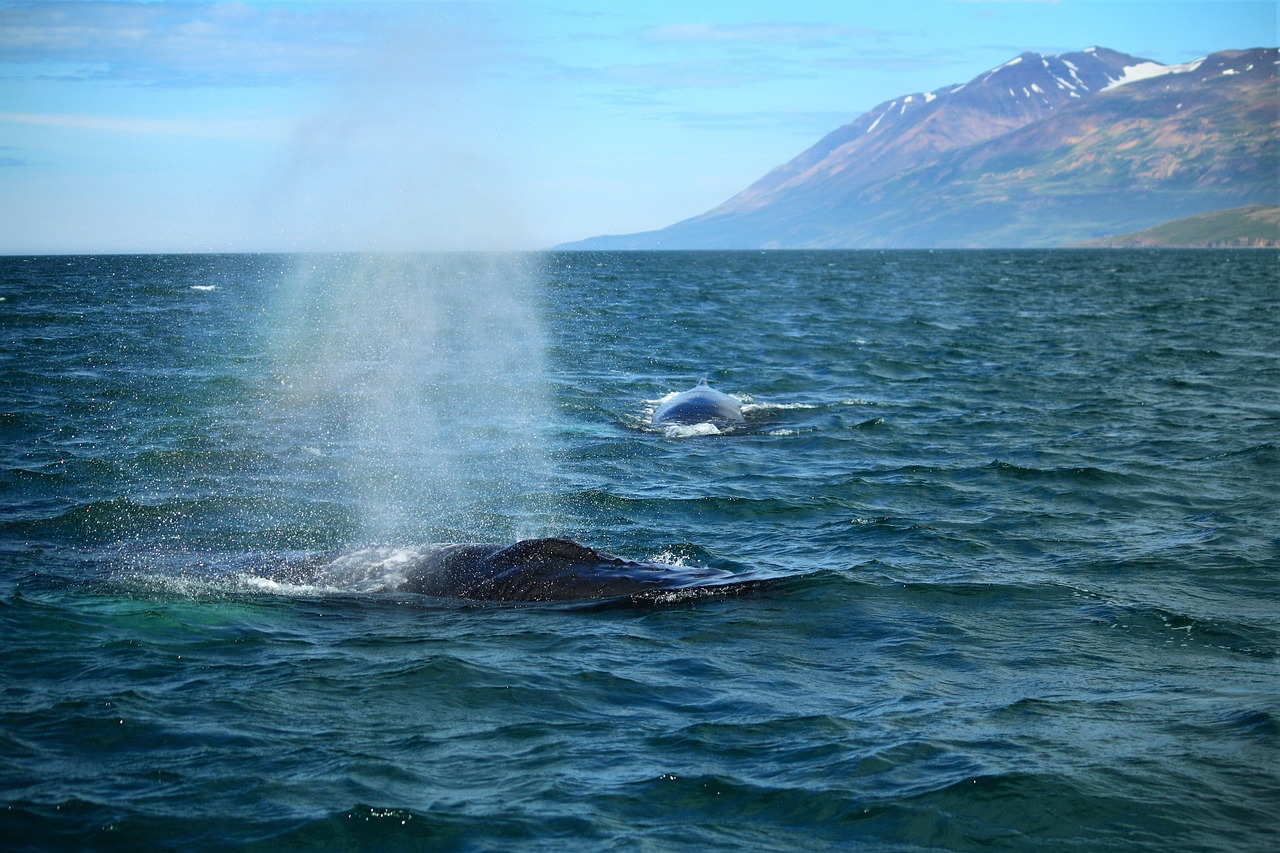
Weekday mornings are quietest. Late summer and fall bring blue and humpback whales into the bay, which gives the skeleton extra resonance. Closed Mondays.
How long
About one and a half to two hours, including a tour and the bluff walk.
Tips
Buy tickets ahead for weekends and holidays. Join a daily tour for the full story of the whale and the lab. Pair with Natural Bridges State Beach a few minutes away, timed for low tide.
Quick picks
- Best for
- A hands-on, uncrowded marine science stop with real researchers nearby.
- Families
- Great for kids: touch pools, sharks and octopus, and a whale skeleton they will not forget.
- Couples
- A thoughtful hour followed by sunset at Natural Bridges or along the cliffs.
- Pair with
- Natural Bridges State Beach for tide pools and monarchs; the Santa Cruz Boardwalk for fun.
- Time needed
- Two hours, ideally inside a Santa Cruz day.
Good questions
How does it compare with the Monterey Bay Aquarium?+
It is much smaller and simpler, with fewer tanks and no big exhibit halls, but it is far less crowded, much cheaper and connected to an active research lab. Many families enjoy both as complementary experiences.
When is the Seymour Center open?+
Tuesday through Sunday, 10 to 4. It is closed on Mondays. Check the venue's site for holiday changes.
Is the blue whale skeleton real?+
Yes. It is a real blue whale skeleton and one of the largest on display anywhere. Docents explain how it was recovered and reassembled.
Are tours included?+
Yes. Daily tours are included with admission on a first-come basis for small groups. Larger groups and schools book separately.
Is it good for toddlers?+
Yes. Children under three are free, the touch pools are at a kid-friendly height, and the visit is short enough for small attention spans.