Old Fisherman's Wharf is Monterey's unapologetic classic: a wooden pier of chowder houses (the free-sample gauntlet at the doors is tradition — taste your way to a favorite), seafood counters, taffy and souvenir stalls, with the working harbor around it supplying the atmosphere — sea lions hauled out on the floats barking at all hours, otters threading the moorings, pelicans posing on pilings. It doubles as the departure dock: whale-watching fleets, glass-bottom and sailing tours leave from its side, making the chowder-then-boat morning the town's oldest formula. Five minutes' walk from downtown and the Coastal Trail, free to stroll, best at golden hour when the masts go amber. The adjacent Municipal Wharf II — the working one — rewards the extra five minutes.
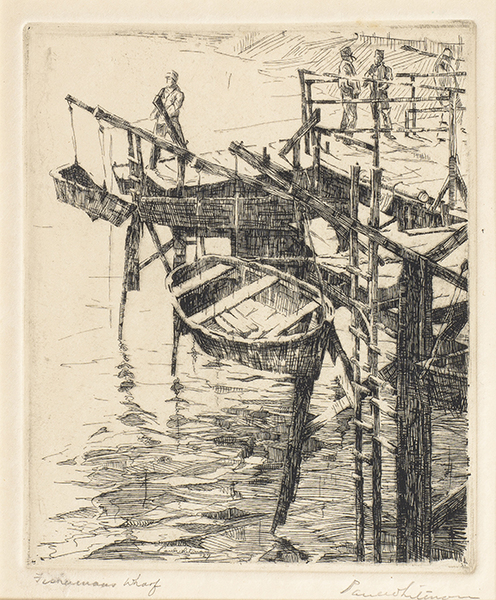
Built in 1845 for trading schooners and remade by every Monterey era since — whalers, sardine fleets, Sicilian fishing families whose names still hang over the restaurants — Old Fisherman's Wharf settled into its modern role as the town's hospitality pier: part seafood row, part boat terminal, part wildlife blind. The chowder-sample ritual at the restaurant doors is genuinely useful competition (clam versus the local twist, bread bowls adjudicated nightly), the window tables hang over the harbor, and the day's catch chalkboards still answer to the boats at Municipal Wharf II next door.
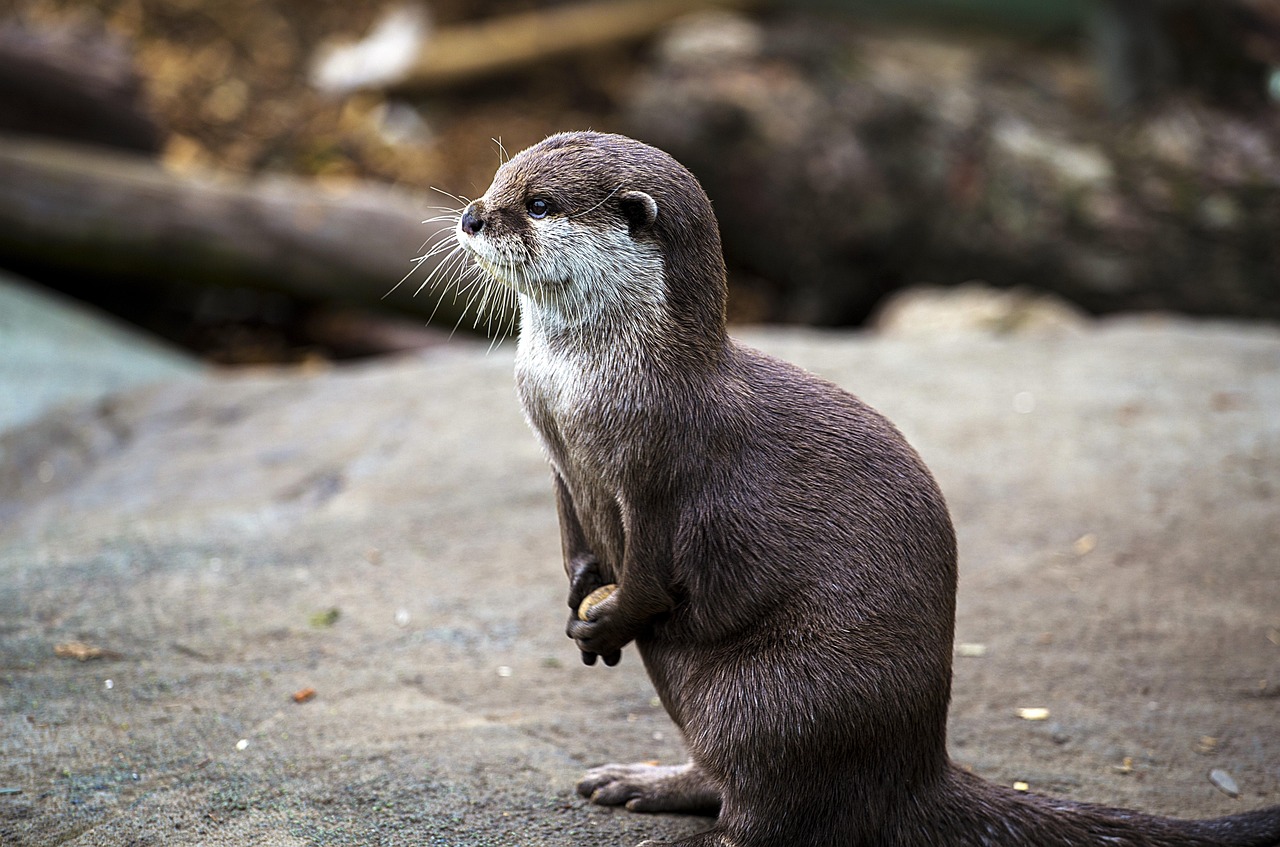
The wildlife is the wharf's secret headliner. California sea lions own the harbor floats and dinghy docks — the barking carries blocks, pups pile in spring — while sea otters work the mooring field close enough for phone photos, harbor seals patrol, and brown pelicans decorate every piling. The marine traffic completes it: whale-watch boats (the wharf is the main departure point), sailing charters and glass-bottom tours, and the recreational fleet threading out the channel. Kids can burn an hour on the free spectacle alone.
Pair it smartly
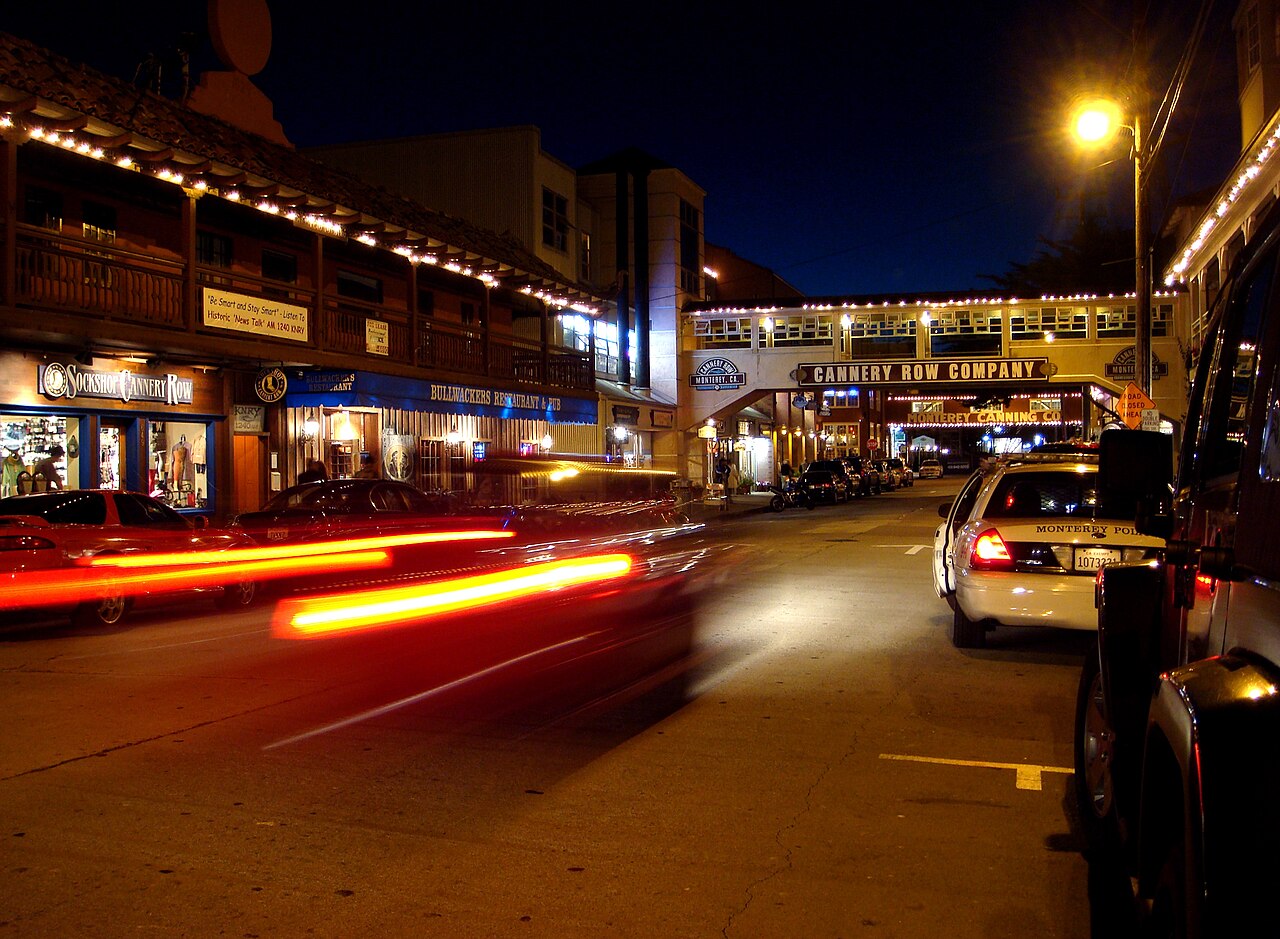
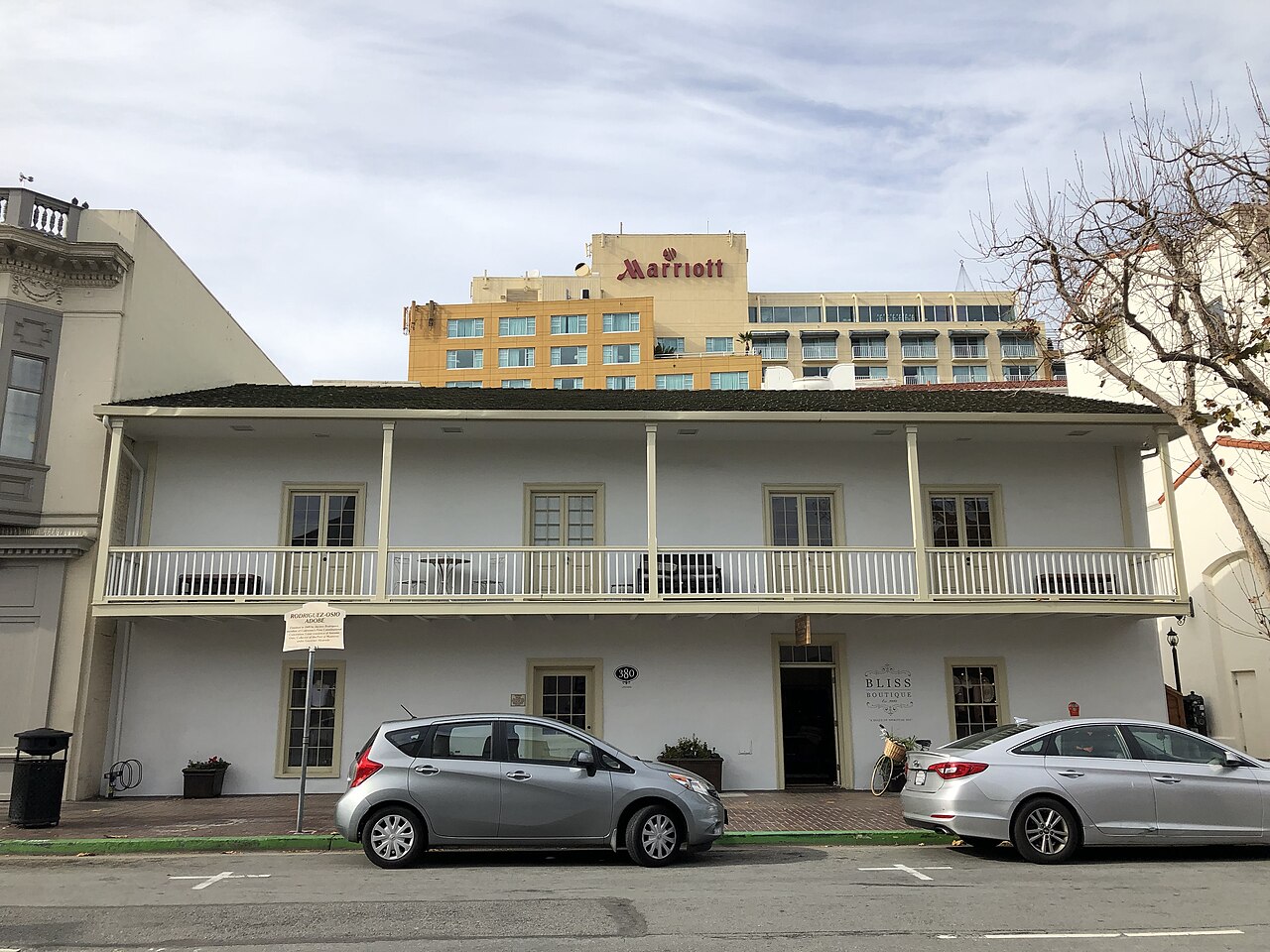
The wharf sits at the foot of downtown and Custom House Plaza — Monterey State Historic Park's adobe heart — with the Coastal Rec Trail connecting to Cannery Row in a flat twenty-minute waterfront walk or five-minute pedal. Parking lives in the harbor lots off Del Monte. Sunset is its best light; weekday mornings its calmest. It's touristy in the warm-hearted way — the place for the chowder bread bowl, the taffy bag, the sea lion video — and after 180 years it has earned the right.
What to expect
The experience
A historic hospitality pier — chowder houses with door samples, seafood counters and taffy, resident sea lions and otters in the harbor, and the whale-watch and sailing fleets departing alongside. Free to stroll.
Best time
Golden hour for the light and dinner; mornings before the boats load for calm. Spring adds sea lion pups to the floats.
How long
An hour's stroll-and-sample; two with a meal or around a boat departure.
Tips
Run the full chowder-sample gauntlet before committing — loyalty is earned here. Walk five extra minutes onto Municipal Wharf II for the working-harbor version and the best sea lion viewing. Harbor lots off Del Monte beat circling. The trail to Cannery Row makes it a car-free waterfront circuit.
Quick picks
- Best for
- The classic first-evening stroll — chowder, sea lions, and masts at sunset.
- Families
- Free sea lion theater, taffy, and boats coming and going — an effortless kid hour.
- Couples
- A window table over the harbor as the lights come up.
- Pair with
- A whale-watch departure from the same dock, or Custom House Plaza's historic adobes at the wharf's foot.
- Time needed
- One to two hours.
Good questions
Which chowder is best?+
The door-sample tradition exists so you can rule personally — most houses pour tastes, and the bread-bowl verdict is yours to render. The competition keeps everyone honest.
Where are the sea lions?+
On the harbor floats and dock fingers around the wharf — follow the barking, and walk Municipal Wharf II next door for the closest safe viewing. Spring brings pups.
Do the whale boats leave from here?+
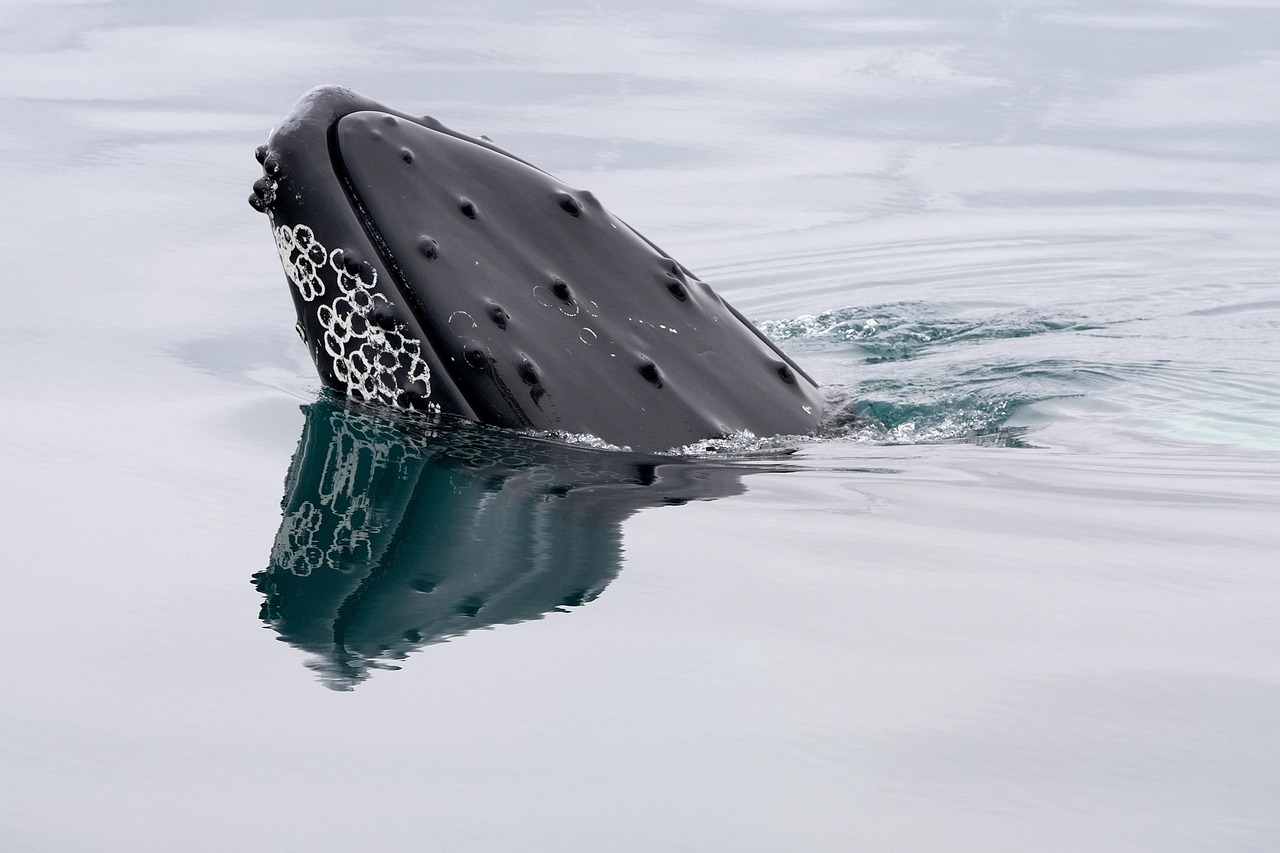
Yes — the main whale-watching fleets and sailing tours depart from the wharf's side, making chowder-then-boat (or the reverse) the standing formula.
Is it free?+
Strolling, sampling, and sea lions cost nothing — meals, taffy, and boat tickets are the spend. Parking in the harbor lots is paid.
How far from Cannery Row?+
A flat twenty-minute walk or five-minute ride along the Coastal Rec Trail — the two waterfronts bracket downtown and do one car-free day nicely.