The Monterey Peninsula eats well because it sits where three food systems meet: a cold, productive bay full of fish and shellfish, the Salinas Valley farms just inland, and a wine region that has quietly grown up around both. Most visitors stumble into this by accident, with a chowder on the wharf and a glass of Pinot in Carmel. A little planning turns the accident into a trip, and it does not require a big budget, only a sense of how the area divides up and when to be where.
Start with the water
The peninsula's signature flavors come from the bay. Wharf kitchens serve clam chowder in bread bowls, calamari, fish tacos and crab, and the best of them are honest about what is in season. Sardines gave Cannery Row its name, but the working fleet today lands squid, rockfish, salmon in season and Dungeness crab in the cooler months, and chefs in Monterey and Pacific Grove build menus around the catch. Go early for lunch on the wharf, when the sea lions are noisy and the lines are short, and save a table with a view of the bay for sunset. If a menu lists a local sustainable seafood label, that is usually a good sign; the aquarium's seafood guidance has influenced many kitchens here.
Take one guided food walk
A food tour is a good use of your first afternoon, because it teaches you the geography of eating as well as the flavors. In Monterey, an Old Monterey Walking Food Tour covers the historic downtown and its kitchens, bakeries and tasting spots between the adobes. In Carmel, a walking food tour opens the courtyards and side passages where the village keeps its best tables. Either one doubles as an orientation walk, and either one leaves you with a short list of places to return to for a full dinner. Tell the operator about allergies and dietary needs when you get tickets, and do not eat a big meal beforehand.
Taste the wine without the vineyard drive
Monterey County is a serious wine region, but its vineyards are mostly inland in the Salinas Valley, a long drive from the coast. The peninsula solves this with tasting rooms in town. In Carmel, you will find them in courtyards and side streets near the galleries. In Monterey, they cluster in the old downtown and near the waterfront. A guided tasting walk strings several together and lets you leave the car behind. For a quieter pour, head inland to Carmel Valley Village, where the sun is warmer than the coast, the tasting rooms are walkable and the pace is slower. Pinot Noir and Chardonnay are the region's calling cards, with Syrah, Riesling and Rhone-style whites worth asking about.
Give Carmel Valley an afternoon
The valley is half an hour from Monterey and easy to combine with other activities. Spend a late morning with the animals at an alpaca walk, taste in the village in the afternoon, and finish with dinner at a farm-to-table restaurant, many of which take advantage of the Salinas Valley produce. If you are staying at one of the valley resorts, the spa and pool make a lovely counterpoint to the foggy coast. Remember to arrange a designated driver or car service, because Carmel Valley Road is winding and tasting pours add up.
Sweet breaks
Carmel's bakeries and chocolatiers are legitimately good, and a French macaron class is a creative way to spend a gray afternoon: you make your own batch and take home the box. In Pacific Grove and Monterey, you will find old-school ice cream parlors and coffee roasters that locals actually use. For a dessert detour, a stroll on the Coastal Trail with a coffee gives you otters, sea lions and a view of the bay.
A flavorful long weekend
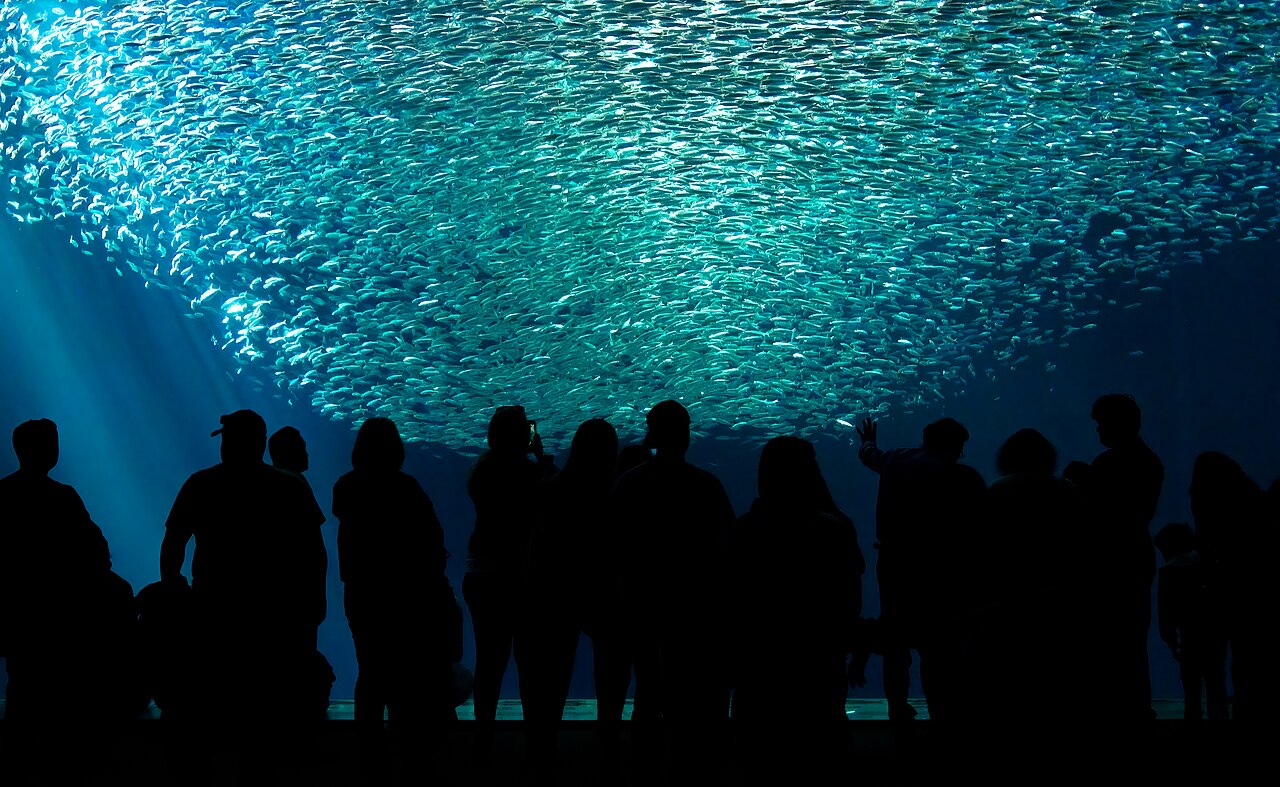
Day 1: arrive, wharf lunch, an Old Monterey food walk, a sunset sail or a quiet dinner with a bay view. Day 2: the aquarium in the morning, a casual lunch on Cannery Row, a drive to Carmel for a food walk, then a tasting room or two before dinner. Day 3: a slow breakfast, a morning in Carmel Valley with a tasting or an alpaca visit, and a farm-to-table lunch before heading home. The itinerary leaves room for the beach and the lanes, which are the peninsula's free pleasures.
Practical notes
Weekends and summer evenings fill up fast, so reserve dinner ahead, especially in Carmel. Tasting rooms keep their own hours, and many close early or on weekdays, so check before you go. Parking in Carmel and downtown Monterey is limited, so use garages and walk. Prices vary widely, and a wharf lunch can be a bargain compared with a Carmel dinner, so mix the two. Finally, ask your server or guide where they eat on their day off; the peninsula's best secrets are usually shared over the counter.