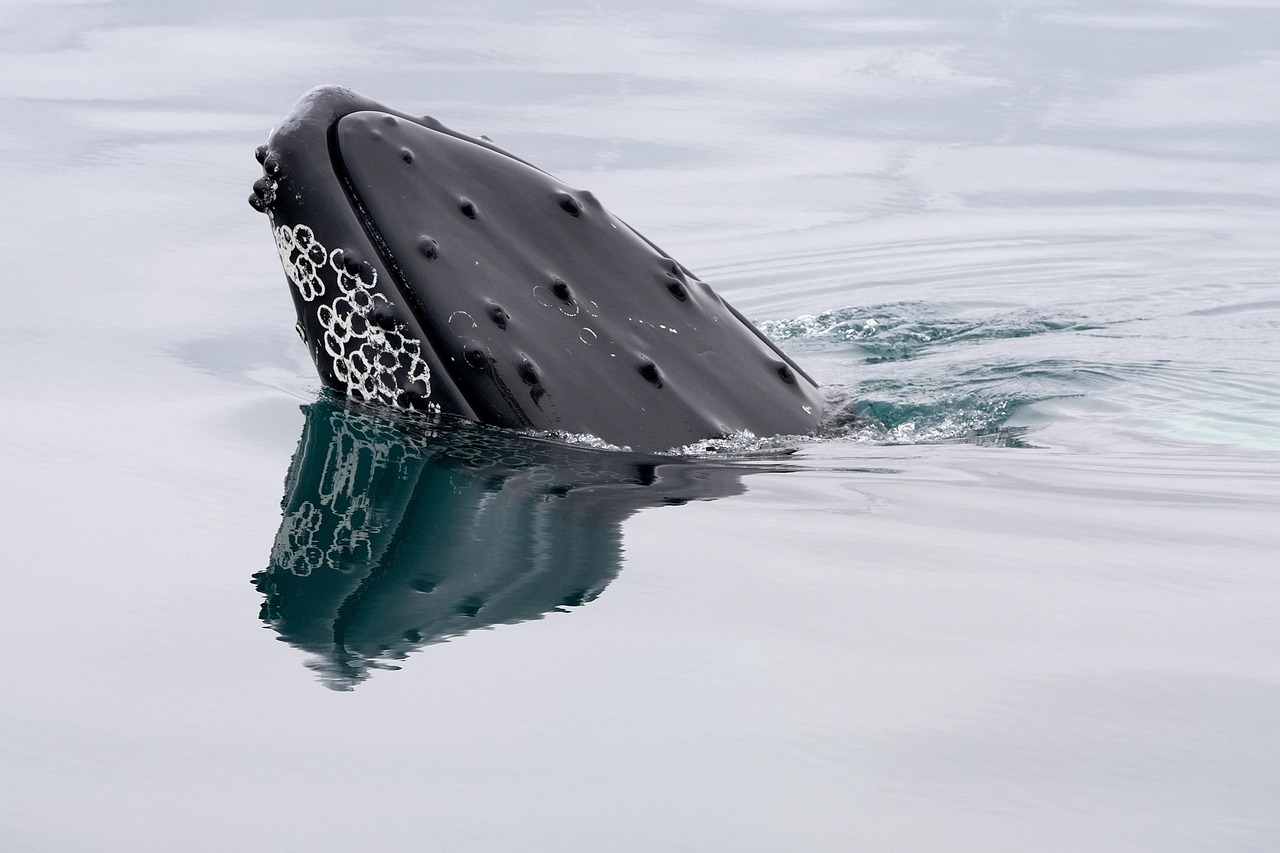
Monterey doesn't have a whale season; it has a rotation — the submarine canyon keeps the buffet open year-round and the species take shifts. Matching your trip's dates to the headliner (and the right boat) is the whole game.
The calendar
April-November: humpbacks, the franchise players — lunge-feeding through anchovy schools, breaching, tail-throwing, often boat-adjacent; summer-fall sightings run near-automatic. Mid-December-April: gray whales, 20,000 strong, parading the coast on the Baja round trip (southbound whales offshore Dec-Jan; northbound mothers and calves hugging the kelp line March-April). May-October: blue whales — the largest animal ever — and fin whales arrive when krill blooms, peaking mid-summer; seeing a blue surface is a life-list moment that Monterey delivers more reliably than anywhere in the hemisphere's north. April-May (and opportunistically always): orca season — transient killer whales hunting the gray calves' migration, the documented hunts that made the bay documentary-famous; never promised, unforgettable when it lands. Always: dolphins (common superpods by the thousand, Risso's, bottlenose), sea lions, otters at the harbor, albatross over the canyon.
Picking the boat
The naturalist-led operators (Monterey Bay Whale Watch is the research-grade standard) narrate biology, read behavior, and stay longer on sightings — worth the modest premium over party-boat pricing. Vessel size trades intimacy against stability: big boats ride calmer (motion-sensitive, choose these), small boats put you nearer the water. Departure ports: Monterey's wharf for convenience and the full fleet; Moss Landing for the shortest run to the canyon head — often first on scene. Morning trips get calmer seas and better light; afternoons occasionally get wind-churned drama.
The honest fine print
Sightings are near-certain but behavior isn't scripted — some days deliver breaching chaos, others patient spout-following; biologist narration converts the quiet days. Seasickness is solvable but only in advance: medicate the night before and morning of (not dockside), board fed but lightly, ride low and central, eyes on the horizon. The bay is cold at sea in every month — August included — so dress like a January football game: windproof shell, warm layers, hat, gloves in winter. Camera straps and dry bags; the rail splashes.
Free whales, from shore
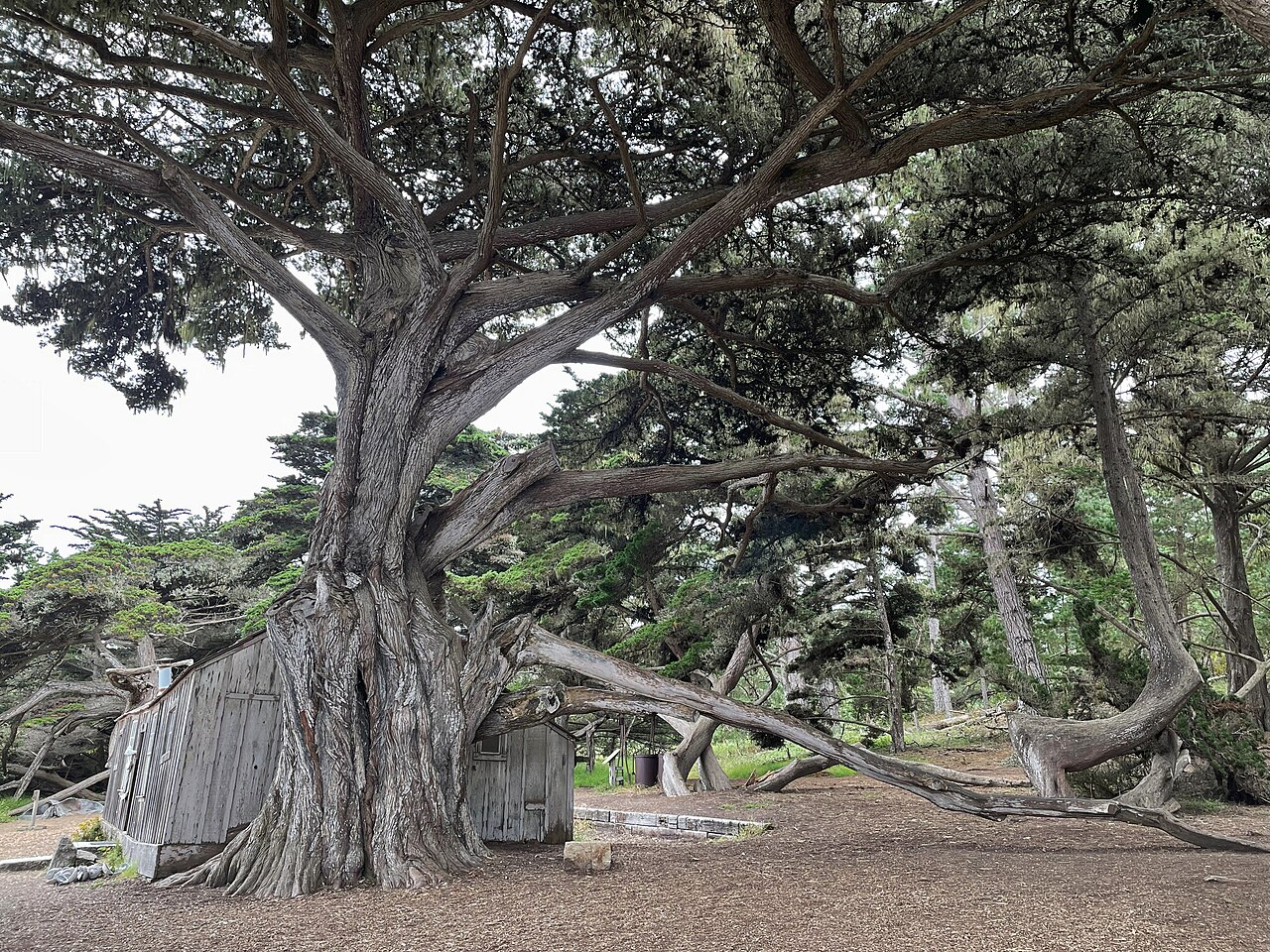
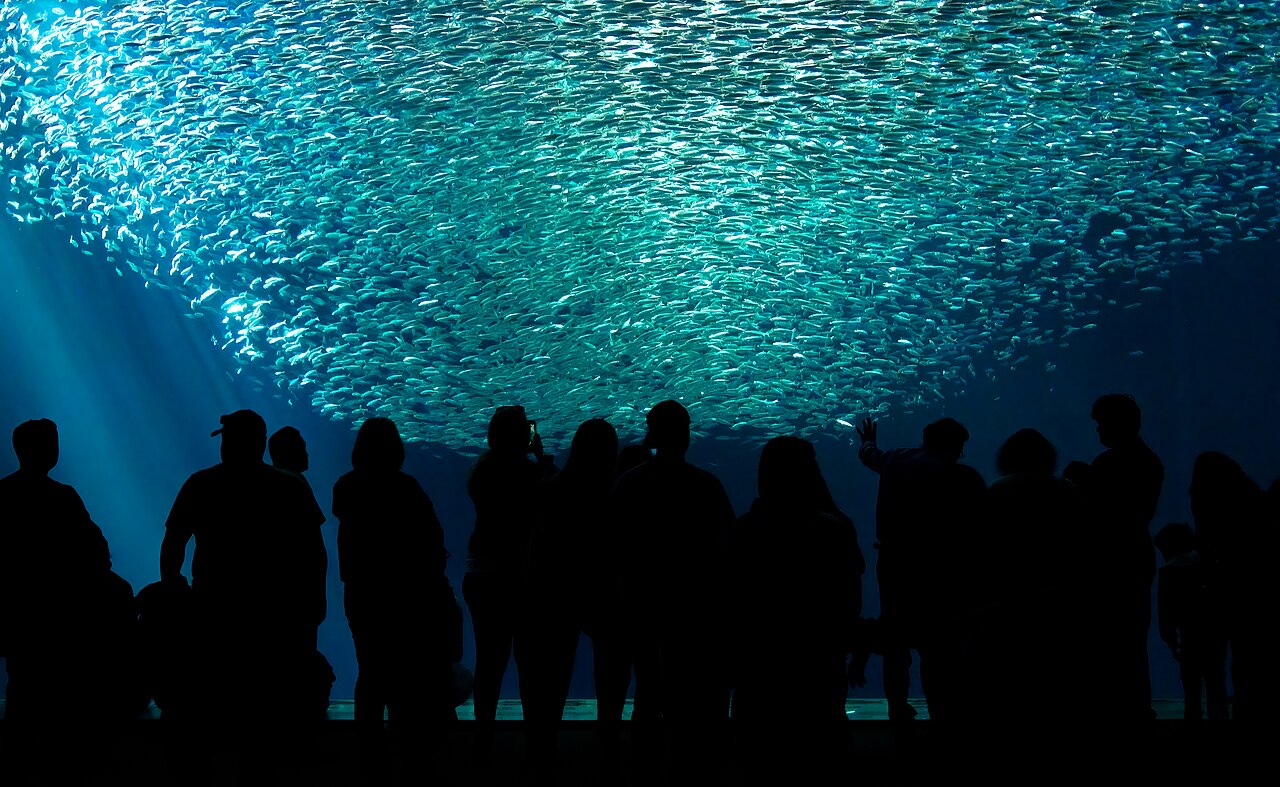
The migration runs close enough that land works: Point Lobos' headlands and Cypress Grove Trail (winter-spring grays, sometimes inside the kelp line), the 17-Mile Drive pullouts, Garrapata's bluffs, and any Big Sur turnout with elevation — binoculars, patience, and the spout-scan habit. The aquarium's back decks add volunteer scopes and running commentary. It's the budget version and, on a clear gray-season morning, a genuinely great one.
Booking strategy
Summer weekends and holiday weeks: book days ahead. Winter: keep weather flexibility — crossings cancel on big swells and reschedule graciously. And the two-trip trick for the obsessed: a gray-season morning and a summer humpback trip are different sports; the bay rewards both tickets.