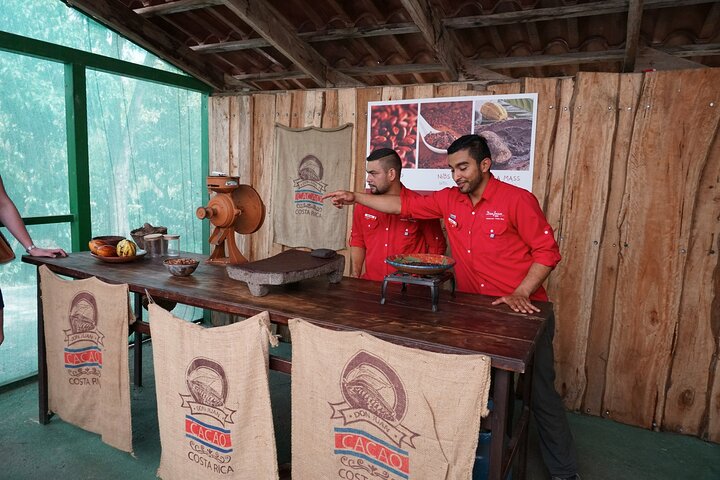
Monteverde is a farming community as much as a nature destination, and its food reflects that. The mountains produce coffee, cacao, sugar cane, vegetables and dairy, and many visitors find that the best meals and the most interesting activities come from learning how those ingredients are grown and prepared. This guide covers what to eat, where the food experiences are and how to plan meals around a busy day of activities.
Start with the staples
Traditional Costa Rican cooking is simple and filling. Breakfast often means gallo pinto, a mix of rice and black beans, served with eggs, fried plantain, fresh cheese and sometimes sour cream. Lunch is commonly a casado, a plate of rice, beans, a salad, plantain and a choice of chicken, fish, beef or a vegetarian option. Small family restaurants called sodas serve these dishes at modest prices, and they are usually the best places for an honest, quick meal. Fresh fruit juices, known as frescos, are widely available, and are worth trying with whatever fruit is in season.
Coffee is the headline
The volcanic soil and cool climate of the Tilaran mountains suit coffee, and a farm tour is the best way to learn how a bean becomes a cup. On the coffee, chocolate and sugar cane tour you follow all three crops from plant to tasting, picking and roasting coffee, grinding cacao into paste and pressing cane for juice. Tours of this kind take about two hours, they are family-friendly and they make a great rainy-afternoon plan. Buy beans at the farm shop, since they make better gifts than tourist-shop souvenirs, and ask how the coffee was roasted so that you can brew it properly at home.
Chocolate and cane
Cacao is a smaller crop in the mountains than coffee, but the chocolate-making part of a farm tour is often the favourite part of a family visit, because children can help with the grinding and taste the results. Sugar cane juice, pressed fresh by hand, is sweet, cool and a nice surprise for first-timers. If you prefer your food experiences more hands-on, the Costa Rican bread making workshop invites you to mix, shape and bake traditional bread with a local host, and then eat it warm, which is a good way to spend a wet afternoon.
Cheese and dairy
Monteverde has a dairy tradition that dates back to its early farming settlers, and local cheese is easy to find in shops and on restaurant menus. Look for fresh, mild cheeses with breakfast, and ask your hotel whether it can arrange a visit to a dairy or cheese farm if you are interested. Local ice cream and yoghurt are also popular, especially after a cool, damp day on the trails.
Hotel and restaurant dining
Several hotels have restaurants that are worth a special evening. Hotel Belmar serves farm-to-table cooking at its Celajes restaurant, Cloud Forest Lodge has a fine-dining restaurant called Endemica, and Hotel Heliconia has an Italian restaurant, Rana Roja. Other hotels, such as El Establo, have two restaurants on site, which is handy when the weather is wet. In Santa Elena you will find a range of cafes, pizzerias, vegetarian places and international restaurants, so the town is the best place to browse if you do not want to eat at your hotel every night.
Planning meals around activities
Many Monteverde restaurants close earlier than visitors expect, and evenings are quiet, so have a plan for dinner, especially if you are doing a night walk. Eat a proper early dinner before the walk or a light meal afterwards, and ask your hotel what time its kitchen closes. Breakfast comes early on reserve and zip-line days, and many hotels either include it or can pack a simple takeaway for a very early start. Carry a water bottle and a snack for trail days, because there are few places to buy food once you are on the trail.
Dietary needs
Vegetarian options are easy to find, and many places adapt dishes for vegans. Rice, beans, vegetables and fruit are staples, so a casado without meat is a normal order. Gluten-free and allergy-friendly eating takes more planning, so tell restaurants and tour operators early, and carry a card in Spanish that explains your needs. Most hotel kitchens are used to requests of this kind.
A simple food day
Start with gallo pinto and local coffee, spend the morning on a reserve or canopy walk, have a casado for lunch, and spend the afternoon on the coffee, chocolate and sugar cane tour. Finish with an early dinner in Santa Elena and, if you have the energy, a night walk. It is a full day that covers the best of the area's food and nature, and it works in almost any weather.