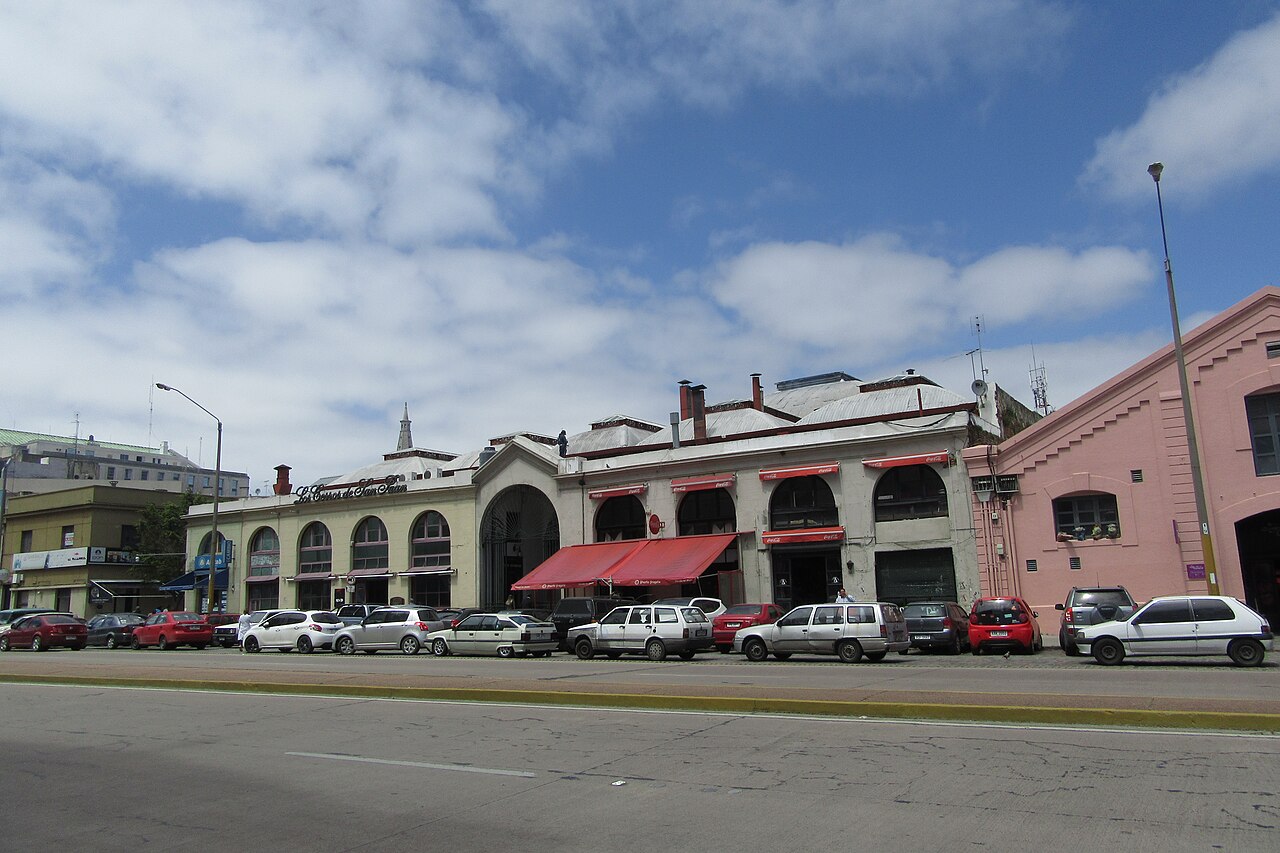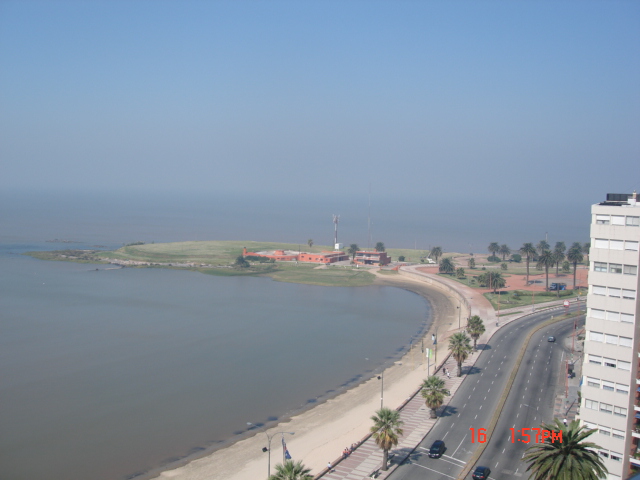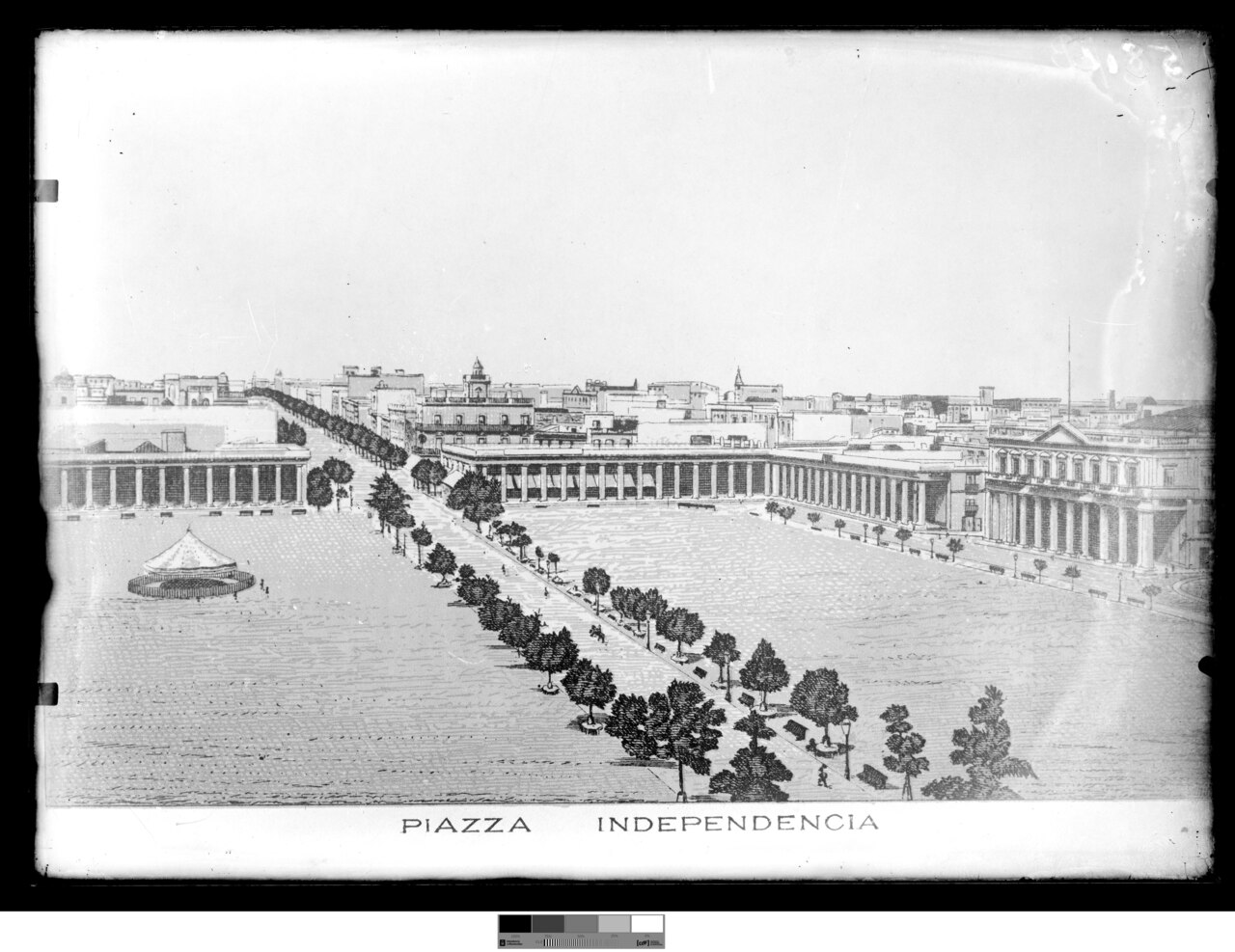
Montevideo began on the small peninsula now called Ciudad Vieja, and a first visit should start there. The natural gateway is Plaza Independencia, a broad, open square that divides the old city from the modern centre. At its middle stands the large equestrian statue of José Gervasio Artigas, the national hero, with his mausoleum beneath the square. Around it are the neo-gothic Palacio Salvo, long the tallest building in South America and still the city's signature silhouette, the Palacio Estévez, a former seat of government, and the Teatro Solís a block away. On the old-city side, the freestanding Puerta de la Ciudadela marks the last remnant of the colonial fortifications. From it the pedestrian Calle Sarandí runs west toward the sea, lined with bookshops, antique dealers, cafés and art galleries. Side streets lead to Plaza Constitución, also known as Plaza Matriz, with the cathedral and the Cabildo, and to Plaza Zabala, a quieter square for coffee. Further on you reach the port, the railway-era buildings and the Mercado del Puerto. Ciudad Vieja is compact and walkable, but it keeps office hours: it is busiest on weekday mornings and noticeably quiet on weekend afternoons and evenings.
The history explains the layout. Spain founded Montevideo in the early 1720s as a fortified outpost against Portuguese expansion from across the river, and the peninsula, with its natural harbour, was walled in. The walls were taken down in the nineteenth century, which is why the Puerta de la Ciudadela now stands alone at the end of the plaza, and why Plaza Independencia exists at all. Over the twentieth century the city's ambitions grew taller: the Palacio Salvo of 1928, with its eclectic towers, was meant to rival anything in Buenos Aires. Today the area mixes restored colonial houses, Art Deco apartment blocks, banks that have become cultural centres, and some buildings in genuine need of repair, so it feels lived-in rather than polished.
A good half-day loop starts at the Artigas monument, passes through the Puerta de la Ciudadela, then follows Sarandí to Plaza Constitución for the cathedral and the Cabildo. From there, drop toward the waterfront, follow the port streets to the Mercado del Puerto for lunch, and finish at the Rambla, the seafront promenade, for the view over the river. Browse the antique shops and the handicraft stalls that appear along the pedestrian streets on weekends. Museums around the old town include the Torres García, the Carnival museum and the Andes 1972 museum, many with modest entry fees.
Practical points: go on a weekday morning for shops and museums, and on a Saturday for the street life and markets. Dress for wind, since the river breeze can be strong even in spring. The old city is generally safe by day, but the streets empty quickly after dark, so take a taxi or rideshare in the evening rather than wandering far from the busy restaurant blocks. If you prefer a guide, a walking or half-day city tour covers the same ground with history, and there are several listed on the city tour entry in this guide.
What to expect
The experience
A self-guided walk from Plaza Independencia through the Puerta de la Ciudadela, along pedestrian Sarandí to Plaza Constitución and down to the port.
Best time
Weekday mornings for open shops and museums, Saturday for street life, and a late-afternoon finish at the waterfront for the light.
How long
Three to four hours with a museum stop and a long lunch at the port.
Tips
Carry some small cash for cafés and craft stalls, wear comfortable shoes for the cobbles, and take a taxi back after dark rather than walking empty streets.
Quick picks
- Best for
- Every first-timer, because it packs the city's history, architecture and street life into one easy walk.
- Families
- Open squares, pedestrian streets and plenty of café stops make it easy with children, though museums are best kept short.
- Couples
- Coffee on Plaza Zabala, a slow walk down Sarandí and sunset at the end of the Rambla.
- Pair with
- Teatro Solis for the interior, the Mercado del Puerto for lunch, and the Rambla for the view.
- Time needed
- Half a day is ideal; a full day if you add two or three museums.
Good questions
Is Ciudad Vieja safe to walk?+
By day it is busy and generally comfortable for visitors, with the usual care for phones and bags. After dark and on Sundays the peninsula empties out, so use a taxi or rideshare for the trip back.
What is the best starting point?+
Plaza Independencia, with the Artigas statue and the Palacio Salvo, is the natural start. From there walk through the Puerta de la Ciudadela and along Calle Sarandí.
Do I need a guide?+
No, the area is compact and easy to follow on foot. A guide adds history and context, and a walking tour is a good option if you want stories behind the buildings.
When is Ciudad Vieja busiest?+
Weekday mornings and lunchtime, when offices and museums are open. Weekend afternoons and evenings are much quieter, apart from the Mercado del Puerto.
Can I visit the museums in one day?+
You can fit two or three museums into a day if you keep each visit short. Check opening days in advance, because several close on Mondays or weekends.