Van Thuy Tu is a temple in Phan Thiet that honours the whale god, a figure revered by fishing communities along the Vietnamese coast. Inside, fishermen have preserved the bones of whales that washed up over the centuries, treating them as sacred remains. The collection includes a skeleton about twenty-two metres long, described as one of the largest in Southeast Asia, and the temple doubles as a small museum of marine life. It is a short, atmospheric stop, and a rare chance to see how maritime belief and community tradition shape a modern fishing town.
Why the whale is sacred
For generations, fishermen in this region have believed that whales save sailors in storms, and they call the whale Ca Ong, meaning Sir Fish. When a whale dies and washes ashore, villagers hold a funeral, draping the body in red cloth, burying it and later retrieving the bones for the temple. Offerings are made, and the story of each skeleton is remembered. The practice is part of living faith, so visitors should be respectful and quiet.
The temple
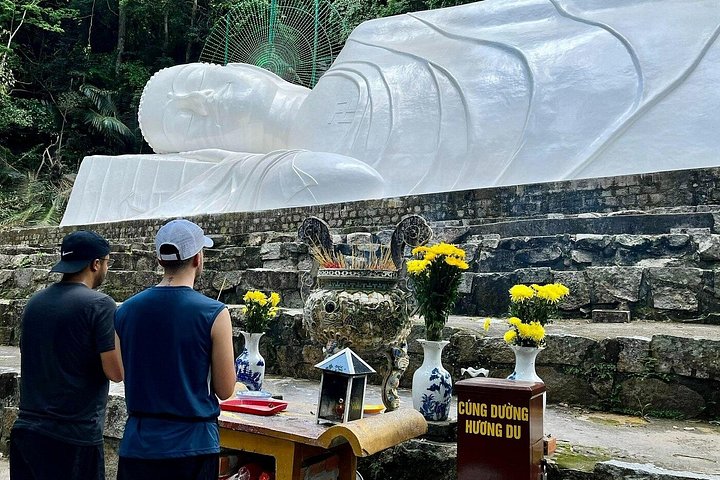
Van Thuy Tu combines a temple hall, altar rooms and display spaces for the skeletons. The largest skeleton stretches along a long hall and is the main attraction, with smaller skeletons and bones in nearby rooms. Incense burns on altars, and worshippers visit throughout the year. The building is modest and well kept, and a visit takes thirty to forty-five minutes. An annual whale festival, held by the local fishing community, brings processions and ceremonies, and the date follows the lunar calendar.
Visiting
The temple is in central Phan Thiet, about twenty minutes by car from the Mui Ne strip, and it is often added to city tours or a visit to the Cham towers. Dress modestly, with covered shoulders and knees, remove shoes where asked and keep voices low. Donations are welcome, and a small entrance fee may apply.
Photography is generally allowed outside and in the halls, but ask before photographing worshippers. The smell of incense and old bone is part of the experience. A guide helps explain the stories, but the temple is easy to visit alone. Combine it with a fish sauce visit, the harbour or a seafood lunch in town.
What to expect
The experience
A visit to a fishing community temple that houses whale skeletons and honours the whale god.
Best time
Morning or late afternoon. Festival dates follow the lunar calendar.
How long
About thirty to forty-five minutes.
Tips
Dress modestly, keep quiet, ask before photographing worshippers and bring small notes for donations.
Quick picks
- Best for
- Travellers curious about local belief and fishing-town culture.
- Families
- Older children will find the skeletons memorable, though the setting is a place of worship.
- Couples
- A short, thoughtful stop in the middle of a city tour.
- Pair with
- The Poshanu Cham Towers and a seafood lunch in Phan Thiet.
- Time needed
- About forty-five minutes.
Good questions
What is the whale god?+
Fishermen revere whales as protectors at sea and call the whale Ca Ong, meaning Sir Fish.
How big is the largest skeleton?+
About twenty-two metres long, and described as one of the largest in Southeast Asia.
Is there an entrance fee?+
A small fee or donation may be requested. Bring small notes.
How do I get there from Mui Ne?+
It is in central Phan Thiet, roughly twenty minutes by car.
What should I wear?+
Modest clothing that covers shoulders and knees, and shoes that are easy to remove.