Some of the most important museums in the United States are not about beauty. They exist to remember, to explain how terrible things happened and to ask what ordinary people owe one another afterward. Visiting them well takes a different kind of planning from a day at the Met: less about which rooms to see, more about how much a person can absorb, how to prepare and what to do with the feeling afterward. This guide covers the memory museums in this market and how to approach them.
What they share
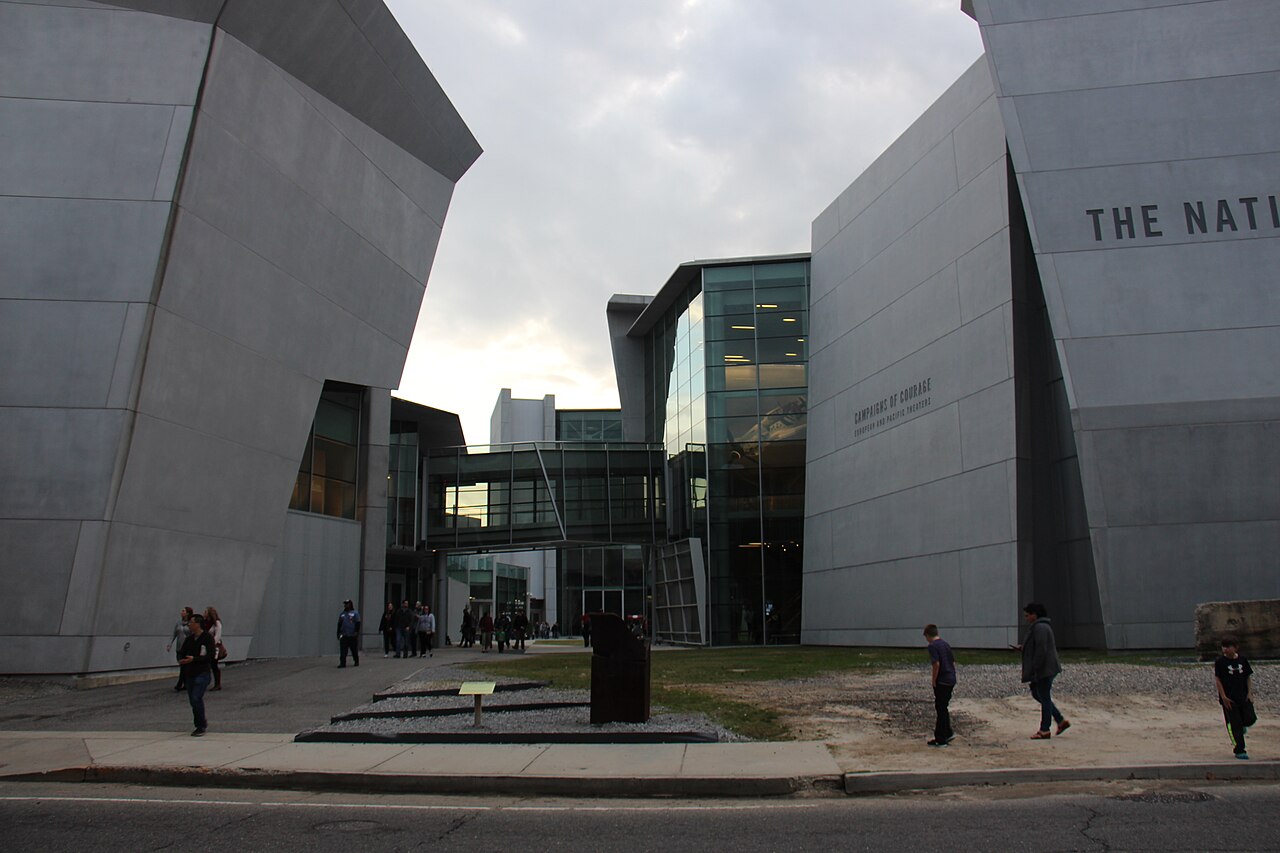
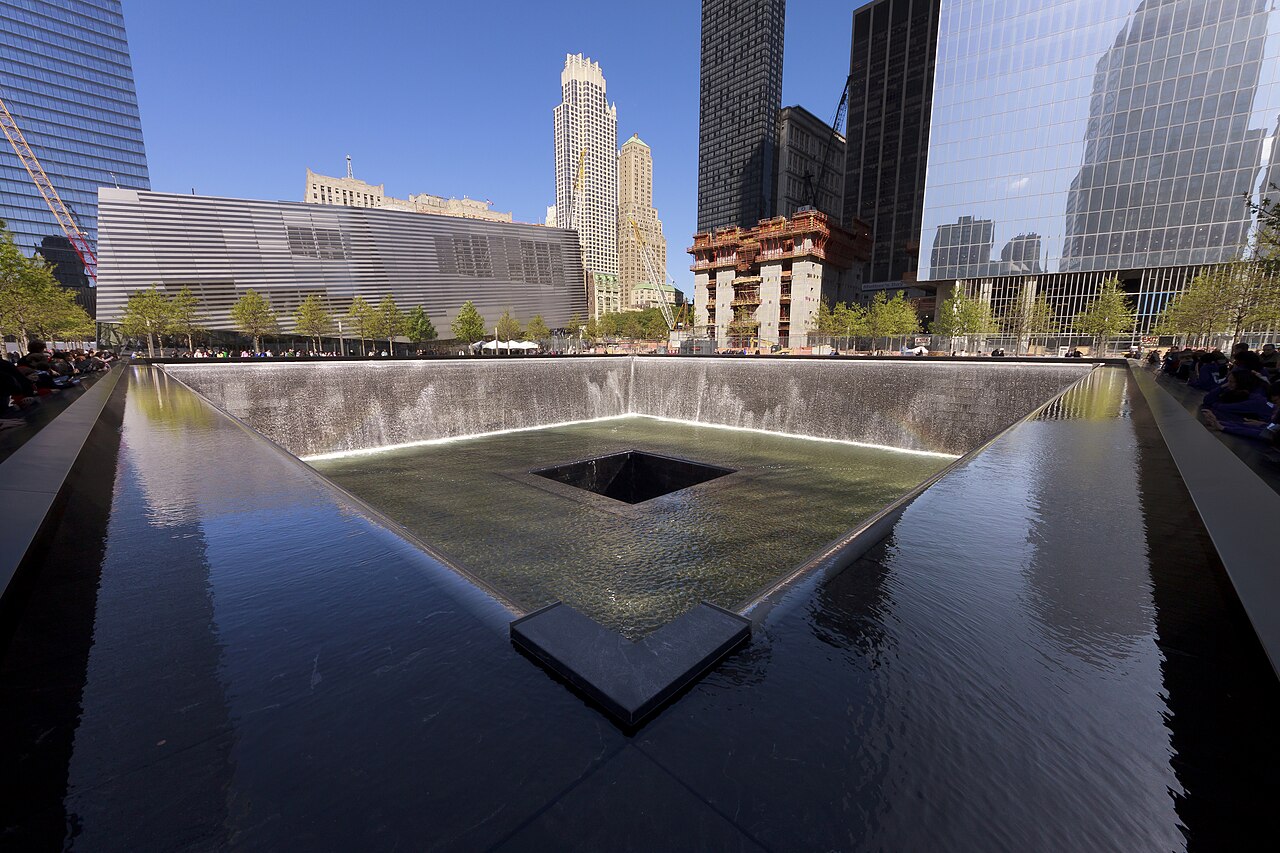
The best of these museums refuse to treat history as abstraction. The 9/11 Memorial and Museum builds its story from voicemails, photographs and the objects of one morning in lower Manhattan. The National Museum of African American History and Culture descends into the slave trade and climbs through centuries of resistance toward the present. The National WWII Museum in New Orleans follows a global war through the eyes of individuals. The Museum of Tolerance in Los Angeles and the Illinois Holocaust Museum in Skokie follow the destruction of European Jewry through personal stories and survivor testimony. In each case, the individual voice is the point.
Pacing is the whole craft
None of these is a place to rush. Plan one memory museum per day, and ideally place it where nothing demanding follows. A morning slot, then a quiet lunch and a walk, works better than a visit squeezed between other sights. Allow three to four hours for most of them, more for the WWII Museum, which can fill a day. Several of them offer a way to take a break: seating areas, reflective rooms and outdoor space. Use them. Reading everything is not required, and choosing what to read closely is a legitimate way to visit.
Booking and timing
Timed entry rules the day. The African American history museum in Washington runs on free timed passes that are released ahead and go quickly, so plan early and keep flexibility. The 9/11 Museum, the Museum of Tolerance and the Illinois Holocaust Museum all sell timed or dated admission, and the Museum of Tolerance is closed on Saturdays and Jewish holidays, so confirm hours before building a trip around it. Security screening is standard at several of these, so bring small bags and arrive early. Weekday mornings are consistently the calmest hours, and an early slot gives you the building before it fills.
Survivor and witness programs
Many of these museums schedule talks by survivors, eyewitnesses and family members, and these sessions are often the single most powerful part of a visit. Ask when you book, or check the calendar, and plan your day around one if you can. Where living witnesses are fewer, the museums have invested in recorded testimony and interactive formats that let you ask questions of recorded interviews, so the voices continue to speak. Take the audio guide at the 9/11 Museum and at the WWII Museum, where the recorded voices are the collection.
Children and teenagers
Decide in advance how much a child can take. Teenagers generally benefit from these museums and often engage deeply, especially when they have context from school. Younger children are a judgment call, and some sections, such as the Holocaust galleries, are explicitly better for older visitors. A useful approach is to talk beforehand about what you are going to see, agree on a signal for taking a break and leave time afterward to discuss it. Most of these museums publish age guidance on their websites.
Sequencing a trip
There is a natural geography here. In New York, the 9/11 Memorial and Museum pairs with a quiet afternoon at the Met or a walk along the waterfront rather than another heavy stop. In Washington, the African American history museum can anchor a day that continues on the National Mall, with the free Smithsonian museums providing lighter relief. New Orleans builds a trip around the WWII Museum, balanced by the city's food and music. In Los Angeles, the Museum of Tolerance can be offset by the Getty or the Norton Simon the next day, and in Chicago the Illinois Holocaust Museum sits a drive north of the Loop, with the Art Institute and the American Writers Museum as quieter companions.
After the visit
People sometimes feel unmoored when they leave, and that is normal. Build in time: a walk, a meal, a conversation. The museums encourage the same thing through their emphasis on action, whether that is the Take a Stand Center in Skokie or the upstander themes at Los Angeles. A trip with one or two of these on it tends to be remembered differently from one made only of masterpieces, and many travelers say it is the part they would recommend first.