Most people picture Myrtle Beach as a single town with a boardwalk. In reality it is the center of the Grand Strand, sixty miles of continuous beach and fourteen communities stretching from Little River near the North Carolina line down to Pawleys Island. Understanding that shape is the single most useful thing a first-timer can do, because it decides where you sleep, how much you drive and which version of the beach you get.
The three zones
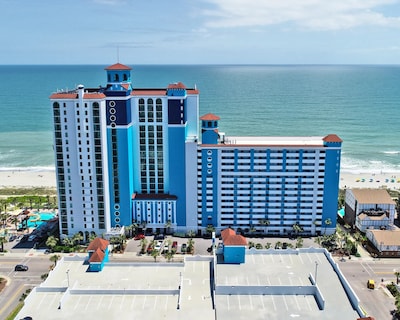
Think of the Strand in three parts. The north end is North Myrtle Beach and Little River: big condo towers, calmer beaches, the waterfront village of Barefoot Landing on the Intracoastal Waterway, and the shag-dancing heritage of the old Ocean Drive section (North Myrtle Beach formed in 1968 from Cherry Grove, Windy Hill, Ocean Drive and Crescent Beach). The center is Myrtle Beach itself: the oceanfront hotel row along Ocean Boulevard, the 1.2-mile boardwalk, the SkyWheel, Broadway at the Beach a short drive inland, the theaters of North Kings Highway and more than thirty mini golf courses. The south end runs from Surfside and Garden City through Murrells Inlet, the seafood capital of South Carolina, to Litchfield Beach and Pawleys Island, with Brookgreen Gardens and Huntington Beach State Park between them. Each zone is a 25 to 45 minute drive from the next, so pick a base in the zone you will use most.
The free essentials
Start on the Myrtle Beach Boardwalk and Promenade: walk from the quiet dune section at the 14th Avenue North pier south toward the SkyWheel and Plyler Park, ideally at sunrise or dusk. Spend an evening at Broadway at the Beach, which is free to enter and wander around Lake Broadway. Drive south for sunset on the Murrells Inlet MarshWalk, a free half-mile boardwalk lined with seafood restaurants and live music. In North Myrtle Beach, Barefoot Landing offers the same free stroll-and-dine format on the waterway. And the beach itself, of course, is free everywhere, with public accesses up and down the coast.
The paid highlights worth booking
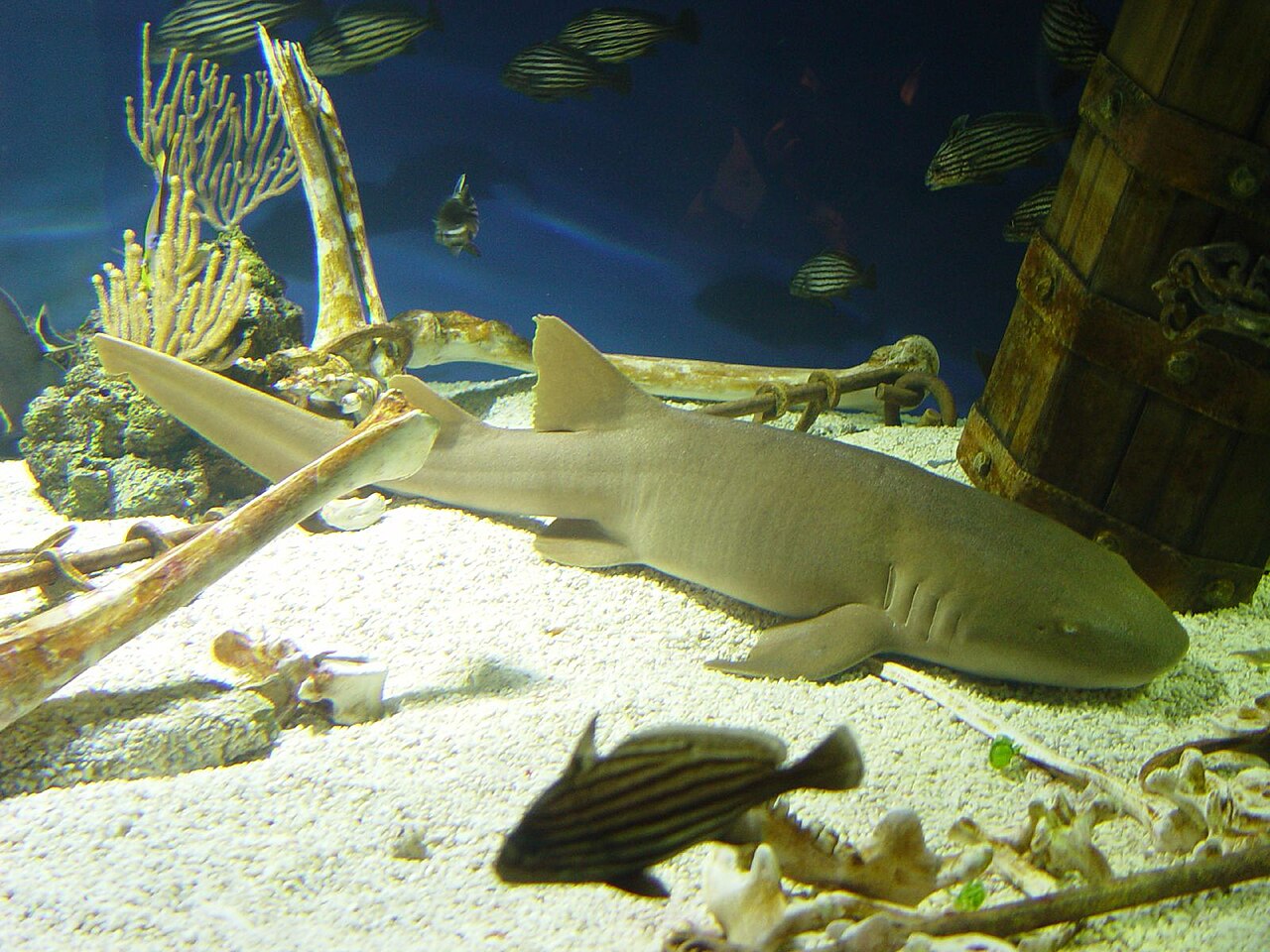
Brookgreen Gardens is the most rewarding ticket on the coast: American figurative sculpture among live oaks and old rice fields, with a seven-day ticket so you can return. Huntington Beach State Park, across the road, adds three miles of natural beach, alligators on the causeway and the Huntingtons' Moorish winter house, Atalaya, for a few dollars. Ripley's Aquarium at Broadway at the Beach is the best rainy-day plan, with sharks gliding over the Dangerous Reef tunnel. The SkyWheel gives you the whole coastline from 187 feet in about ten minutes. For an evening, choose a show: The Carolina Opry's large-cast variety production or Pirates Voyage's dinner show with ships in an indoor lagoon. Add a round of mini golf on any night; it is part of the culture here, and rounds are inexpensive.
Getting around
You need a car. Public transport exists but is limited, and the attractions are spread along US-17 and the US-17 Bypass. Downtown oceanfront parking is metered, while Broadway at the Beach, Barefoot Landing and most attractions have free lots. If you fly, Myrtle Beach International Airport has recently completed a concourse expansion and added routes, and it sits close to the south end of the city.
Summer versus the off-season
Summer is the classic season: warm water, every attraction open, fireworks on the boardwalk and at Barefoot Landing, crowded beaches and peak rates. Late spring and early fall offer the best balance of warm weather and space. From November through March the Strand changes character. Hotels drop rates sharply, beaches are almost empty, dogs are welcome on the beaches and boardwalk at any hour, and the stage shows switch to Christmas productions from early November. At the same time, some outdoor attractions run seasonally: ziplines and certain rides at Broadway at the Beach scale back, Myrtle Beach State Park closes its trails from November through January, and many restaurants shorten weekday hours. The big indoor attractions, the SkyWheel, Brookgreen and the state parks stay open, so an off-season trip simply needs a little more checking ahead.
First-timer mistakes to avoid
Do not book the cheapest room without checking where it is; an inland property can mean a drive every time you want the beach. Do not try to cover the whole Strand in a day. Do not underestimate the sun in summer or the wind in winter. And do not skip the south end: many first-timers never leave the Ocean Boulevard strip and miss the gardens, the marsh and the quiet beaches that make the Grand Strand special.
Budgeting the trip
Myrtle Beach can be one of the best-value beach trips on the East Coast, or a surprisingly expensive one, depending on choices. The biggest lever is the calendar: the same oceanfront condo costs far less in September, October or the winter months than in July. The second is the room type. Condos and suites with kitchens let families cook breakfast and pack beach lunches, and many resorts include extras such as kids clubs or attraction perks. Free experiences carry much of the trip: the boardwalk, the beach, Broadway at the Beach and Barefoot Landing, the MarshWalk and sunsets everywhere. Spend instead on the experiences that cannot be replicated, such as Brookgreen (whose seven-day ticket is real value), a show and the aquarium. Watch for resort fees and parking charges when comparing hotels, and check combo tickets at Broadway at the Beach.
Families and couples, briefly
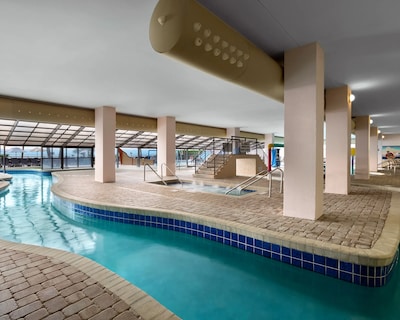
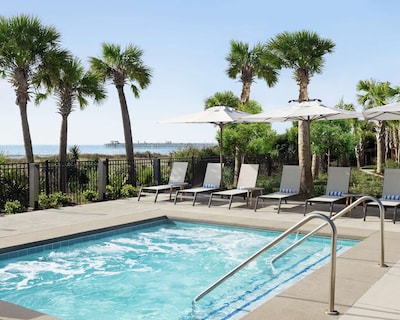
Families should prioritize a hotel with good pools (indoor ones for cooler months), the aquarium, mini golf and Pirates Voyage. Couples get the most from the South Strand: Brookgreen in the morning, Atalaya and a long beach walk in the afternoon, a MarshWalk sunset dinner, and perhaps a stay near Pawleys Island instead of the busy center.
A simple first-visit plan
Base yourself centrally for a first trip, walk the boardwalk and ride the SkyWheel on day one, give day two to Brookgreen, Huntington Beach State Park and dinner on the MarshWalk, and keep day three for the aquarium, Broadway at the Beach and a show. Everything else is a bonus.