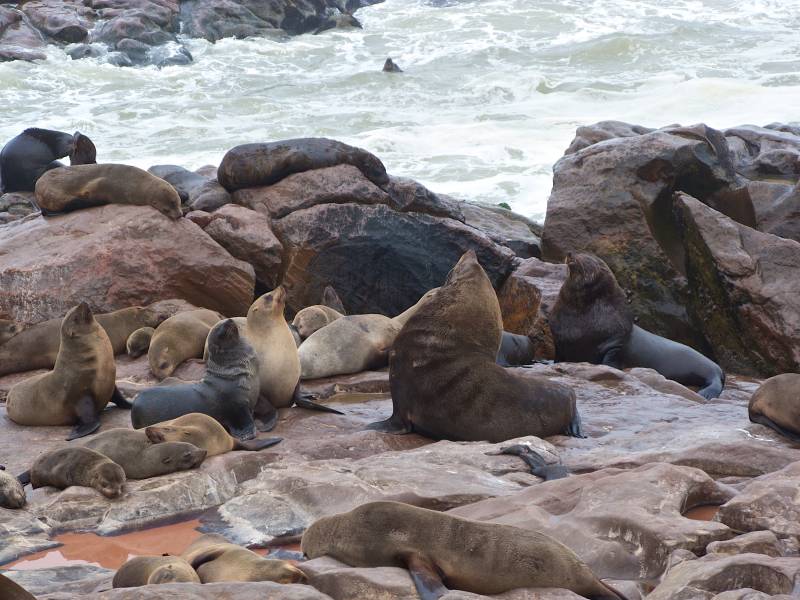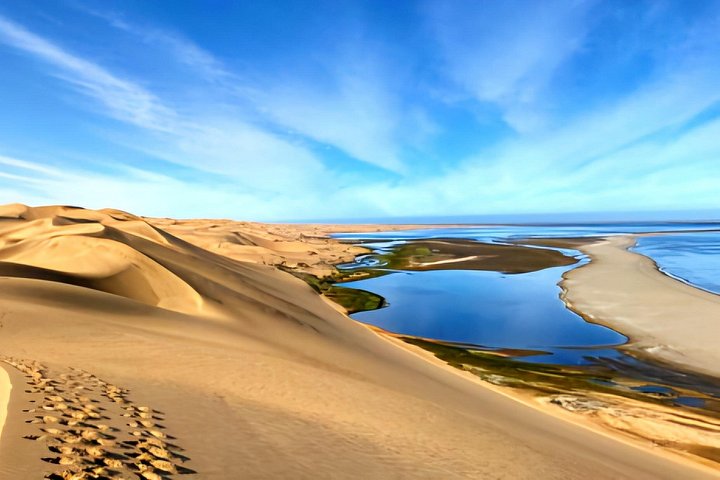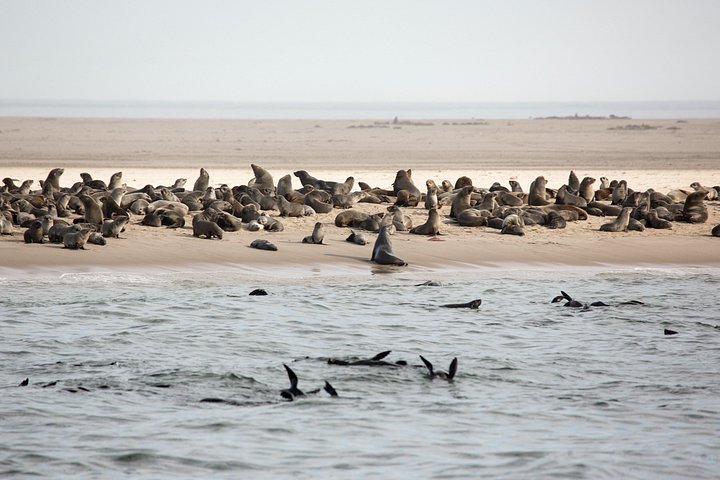
The Skeleton Coast takes its name from the whale and seal bones that once littered its beaches and from the ships that have run aground along its shore. Cold water from the Benguela Current meets the hot desert here, producing heavy fog and strong swells, and the result is a coastline of pale sand, grey sea and haunting emptiness. From Swakopmund, the road north runs along the southern stretch of this coast through salt works and fishing settlements. Along the way you may pass the rusted hull of a trawler stranded on the beach and long, deserted stretches where the desert runs directly into the surf. The tour we link continues to the Cape Cross seal colony, where thousands of Cape fur seals crowd the rocks, giving the day a lively finish. The true Skeleton Coast National Park lies further north and is accessed separately, but this southern section gives a vivid taste of its mood and scenery.
Why go
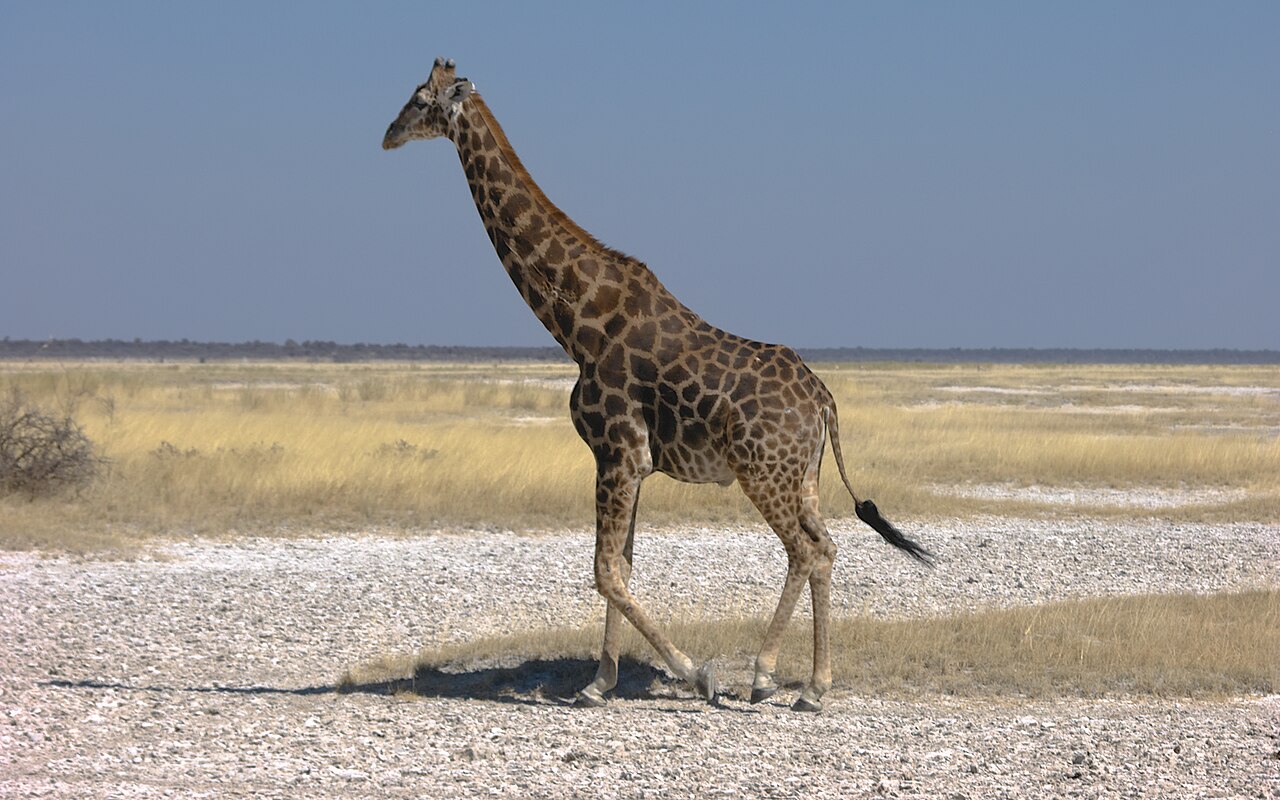
Few places feel as remote and atmospheric as this coast. The mix of mist, wind, sand and sea creates strong, moody photographs, and the sense of space is overwhelming. For travellers who like wild places, a drive here is a highlight, and a guided day removes the stress of navigating long, empty roads. Wildlife enthusiasts will enjoy the seals, along with seabirds and perhaps jackals on the shore.
Making it work
The trip runs as a day tour from Swakopmund, so check the departure time and duration with the operator. The coast is often cool and foggy, even in summer, so bring layers, a windproof jacket, sunglasses and sunscreen for when the fog lifts. Bring water and snacks, and a camera with a zoom lens for the seals. Stay on the roads and tracks, since the gravel plains have fragile lichen that takes decades to recover from tyre damage, and keep to marked viewing areas at the seal colony.
Good to know
The Cape Cross seal colony is the main stop, and it is noisy, smelly and unforgettable. If you want a shorter outing focused on the seals, the Cape Cross reserve entry covers that on its own, but the drive adds the coastal scenery and context. The area is remote, so fuel up and carry spare water if you drive yourself.
Stay alert for roaming animals and for fog that can reduce visibility. Entry to the national park proper in the far north requires permits and planning, so treat this trip as an introduction rather than a full Skeleton Coast expedition.
Who it suits
Photographers, nature lovers and anyone drawn to wild, empty places. It is less suited to travellers who dislike long drives or cool, grey weather. It combines naturally with other coast activities, and a day here balances well against more active outings such as quad biking or dune driving.
A few more tips
Fog tends to be thickest in the morning and can clear by midday, so be patient and let the scene reveal itself. If the sea is rough, the sound and spray add to the drama. Pack a flask of something hot, because wind off the cold Atlantic can make even a bright day feel chilly.
Remember that the colony and the coast are home to wild animals, so keep voices low and let the animals set the pace. Many travellers find that the quiet stretches between the stops, when nothing but sand, sea and sky fill the windows, are the part they remember best.
What to expect
The experience
A guided day drive north from Swakopmund along the southern Skeleton Coast, with scenic stops and a visit to the Cape Cross seal colony.
Best time
Any time of year, since the moody coast is part of the appeal; a clear morning gives the best light.
How long
About a day including the drive each way and time at the seal colony.
Tips
Bring warm, windproof layers, sunglasses, water and a zoom lens, and stay on the walkways and tracks.
Quick picks
- Best for
- Photographers and lovers of wild landscapes who also want a seal colony.
- Families
- Good for children who like animals, although the drive is long and the seal colony smells strong.
- Couples
- Atmospheric and unusual, with the sort of scenery few couples have seen before.
- Pair with
- The Moon Landscape, Spitzkoppe or a Swakopmund seafront dinner.
- Time needed
- Allow most of a day from Swakopmund.
Good questions
Why is it called the Skeleton Coast?+
It is named for the whale and seal bones that once covered its beaches and for the shipwrecks along its shore, caused by fog, currents and rocks.
Does this trip reach the national park?+
This day trip covers the southern stretch of the coast and Cape Cross. The national park proper lies further north and needs separate permits and planning.
Will I see shipwrecks?+
Wrecks and other relics sometimes appear along the shore, but sightings depend on the route and conditions, so ask the operator what to expect.
Is the weather always foggy?+
The coast is often cool and misty because of the cold Atlantic current, though the fog can lift by midday.
Is the seal colony included?+
The tour we link includes the Cape Cross seal colony as the main wildlife stop. Check with the operator for the exact itinerary.