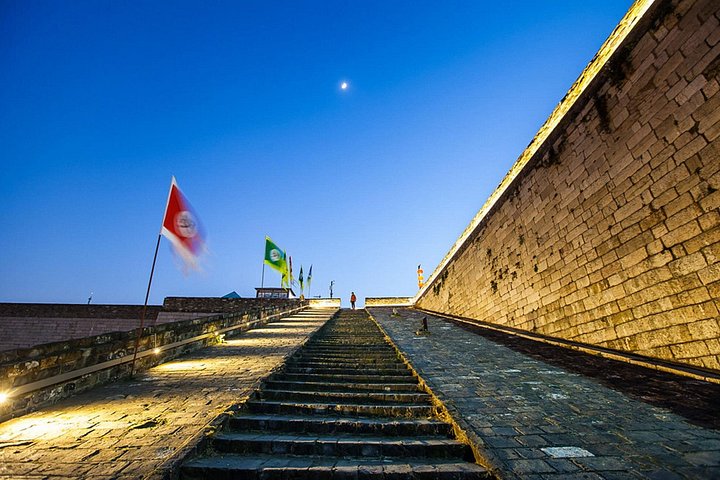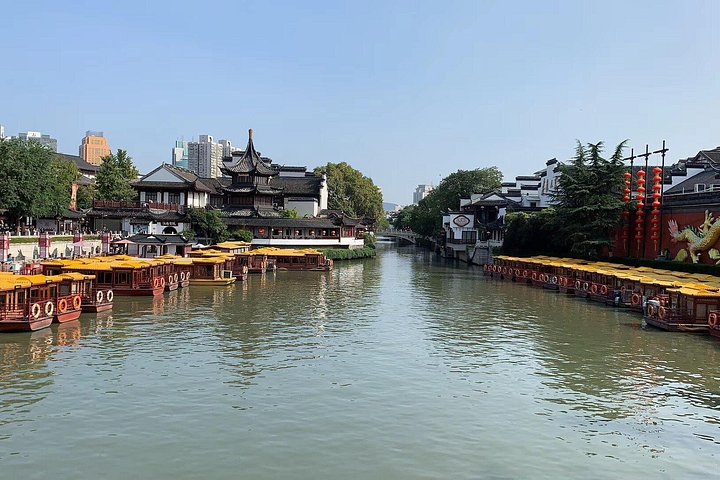
The Ming city wall of Nanjing is one of the great pieces of defensive architecture in the world. It was built in the late fourteenth century under Zhu Yuanzhang, the Hongwu Emperor, who made Nanjing his capital and wanted a fortification worthy of an empire. The wall encloses a vast area and was made from huge bricks, many of them stamped with the names of the districts and kilns that produced them, bonded with a lime and sticky rice mortar. Long stretches still stand, and several can be walked, giving a rare chance to climb a Chinese city wall and look across both the old city and the modern skyline. The jewel of the wall is Zhonghua Gate, often called the Gate of China, in the south of the old city. It is a massive fortress with nested courtyards and multiple gates, and it is among the largest gate complexes of its kind. Inside the thick walls are arched chambers that once stored supplies and sheltered thousands of soldiers, and ramps and steps lead to the top for broad views. The tour linked here pairs the wall with Chaotian Palace, a Ming-era complex that now houses the municipal museum, and with the Qinhuai River, so you see the walls, the palace and the water that once formed a moat. For history and architecture lovers, the wall explains why Nanjing was considered impregnable for generations.
How to visit
The linked product is a private day tour covering the old city wall, Chaotian Palace and the Qinhuai River, so check the details for the exact route, the meeting point and which parts of the wall are included. Access points, opening hours and ticket arrangements for individual wall segments vary, and some are free while others charge entry, so the guide will normally explain the options.
What to expect
You will climb steps or a ramp to the top of the wall, walk along a broad paved parapet and look over a moat, rooftops and modern towers. At Zhonghua Gate you can enter the vaulted chambers and learn how the defence worked, including the use of drop gates and hidden positions. Chaotian Palace is a quieter experience, with courtyards, halls and exhibits about Nanjing's history. The river stage of the tour adds a gentler pace.
How to get the most from it: choose a clear day, because the views are the main reward, and avoid the hottest part of summer when the stone radiates heat. Wear sturdy shoes, as the old brick can be uneven, and bring water. Ask your guide about the stamped bricks, which are a fascinating detail that most casual walkers miss.
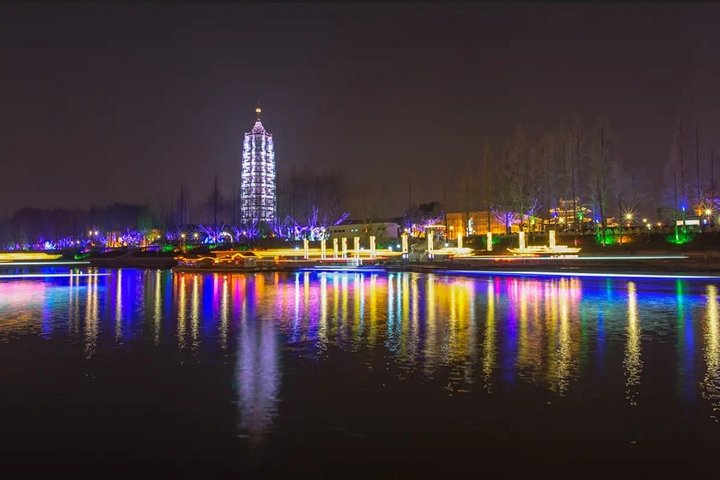
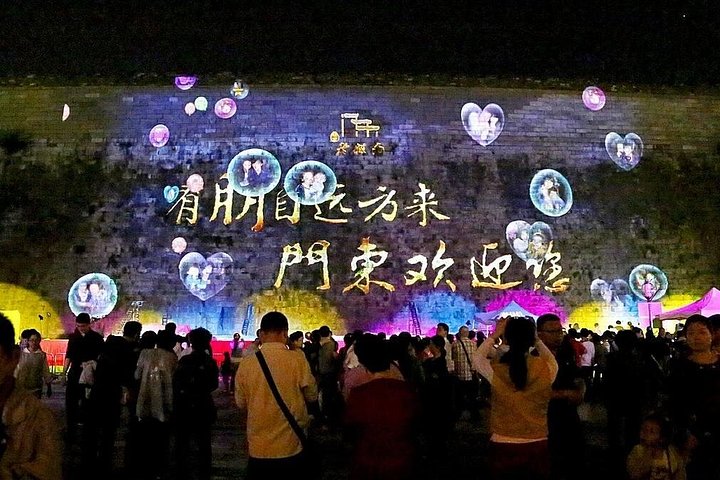
In the evening the wall is illuminated in places, and combining a daytime visit with an evening stroll gives a deeper sense of the monument. The area around Zhonghua Gate also has cafes and food stalls that suit a relaxed lunch.
Planning note
Sections of the wall have different opening hours and ticket arrangements, so ask your guide which entrance suits your plan and whether the evening lighting is switched on. Tunnels and narrow stairways inside the gate can be cool and dim, so a light layer and good footwear help. Photographers should bring a wide-angle lens for the courtyards and ramparts.
What to expect
The experience
A private day tour that climbs the Ming wall, explores Zhonghua Gate and adds Chaotian Palace and the Qinhuai River.
Best time
Clear mornings or late afternoons in spring and autumn.
How long
Two to three hours on the wall itself, a half to full day on the tour.
Tips
Wear sturdy shoes, carry water and ask the guide about the stamped bricks.
Quick picks
- Best for
- History and architecture lovers and anyone who enjoys a walk with a view.
- Families
- Older children enjoy the tunnels and ramparts; watch younger ones near edges.
- Couples
- A quiet evening stroll on an illuminated stretch is memorable.
- Pair with
- Qinhuai River cruise and Confucius Temple.
- Time needed
- A morning or afternoon.
Good questions
When was the Nanjing city wall built?+
It was built in the late fourteenth century under the Hongwu Emperor of the Ming dynasty.
What is Zhonghua Gate?+
It is a massive fortress gate in the south of the old city, with nested courtyards and vaulted chambers, often called the Gate of China.
Can you walk on the wall?+
Yes, several stretches are open to walk. Access points and tickets vary, so check with your guide.
What is Chaotian Palace?+
It is a Ming-era complex that now serves as the Nanjing municipal museum, with courtyards and exhibits on local history.
Is the wall lit at night?+
Parts of the wall and gates are illuminated in the evening, which makes a night visit attractive.