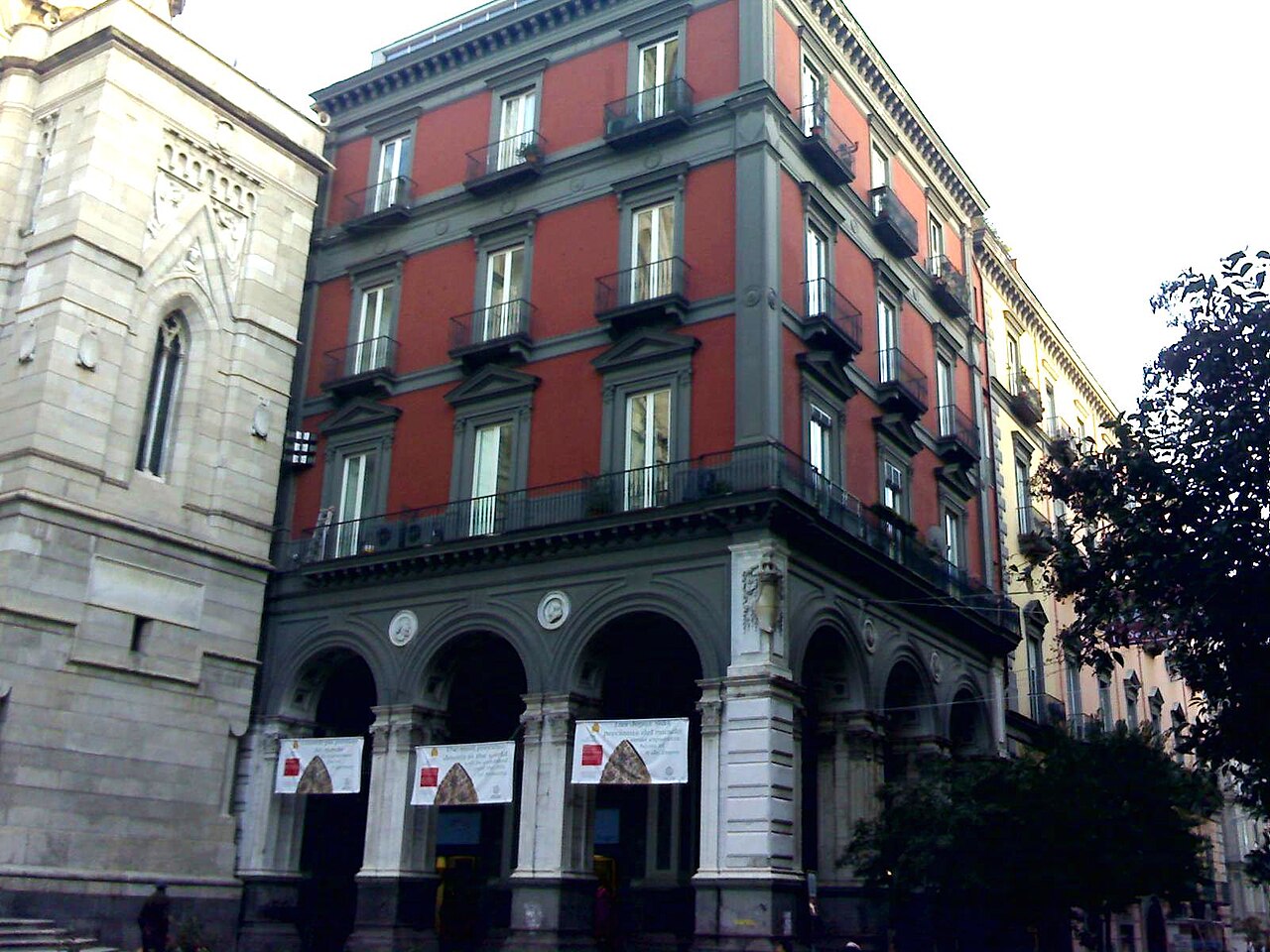
The Museum of the Treasure of San Gennaro is the key to the most Neapolitan of all passions: the city's bond with its patron saint. San Gennaro, bishop of Benevento, was martyred around 305 AD near Pozzuoli, and his relics, including phials said to hold his blood, came to rest in the cathedral of Naples. In 1527, with the city stricken by plague, war and Vesuvius, Neapolitans made a vow to build the saint a new chapel, and the lay body that grew out of it, the Deputation of the Royal Chapel of the Treasure, has owned and guarded the treasure ever since, independent of both church and state. Over the centuries kings, popes, nobles and ordinary citizens gave the saint jewels, silver and vestments, and the result is a collection often compared with the crown jewels of Europe's monarchies. The museum, opened alongside the Duomo in the early 2000s, displays the highlights. The famous mitre, made in the early eighteenth century, is studded with thousands of diamonds, emeralds and rubies; the necklace of San Gennaro grew over generations as rulers added crosses and jewels. Around them are monumental silver busts of the city's co-patron saints, altar frontals, candlesticks, chalices and embroidered vestments, and paintings that trace the saint's cult. The visit links with the Chapel of the Treasure of San Gennaro inside the Duomo next door, a Baroque masterpiece with frescoes by Domenichino, a dome painted by Giovanni Lanfranco and an altarpiece by Ribera; it holds the relics and is where the blood miracle is celebrated. Fit: history buffs, first-timers walking the historic centre, and anyone who wants to understand why the miracle of the blood still brings Naples to a standstill.
Why it matters: in Naples, San Gennaro is not a distant figure but a protector who has been credited with stopping eruptions and plagues. Three times a year, on the Saturday before the first Sunday of May, on 19 September and on 16 December, the faithful gather in the Duomo to watch for the liquefaction of the saint's dried blood; when it liquefies it is taken as a good omen for the city, and when it does not, Neapolitans worry. The treasure is the material record of that devotion, built by gifts given in gratitude and hope.
How to do it well: start in the museum with the audio guide, which explains the vow, the Deputation and the major pieces, then cross into the Duomo to see the Chapel of the Treasure and the cathedral itself, including the ancient basilica of Santa Restituta and the baptistery, among the oldest in the West (separate small fees may apply for some areas). Visit in the morning, when the Duomo is open without a lunch break interrupting your plans, and dress modestly for the church.
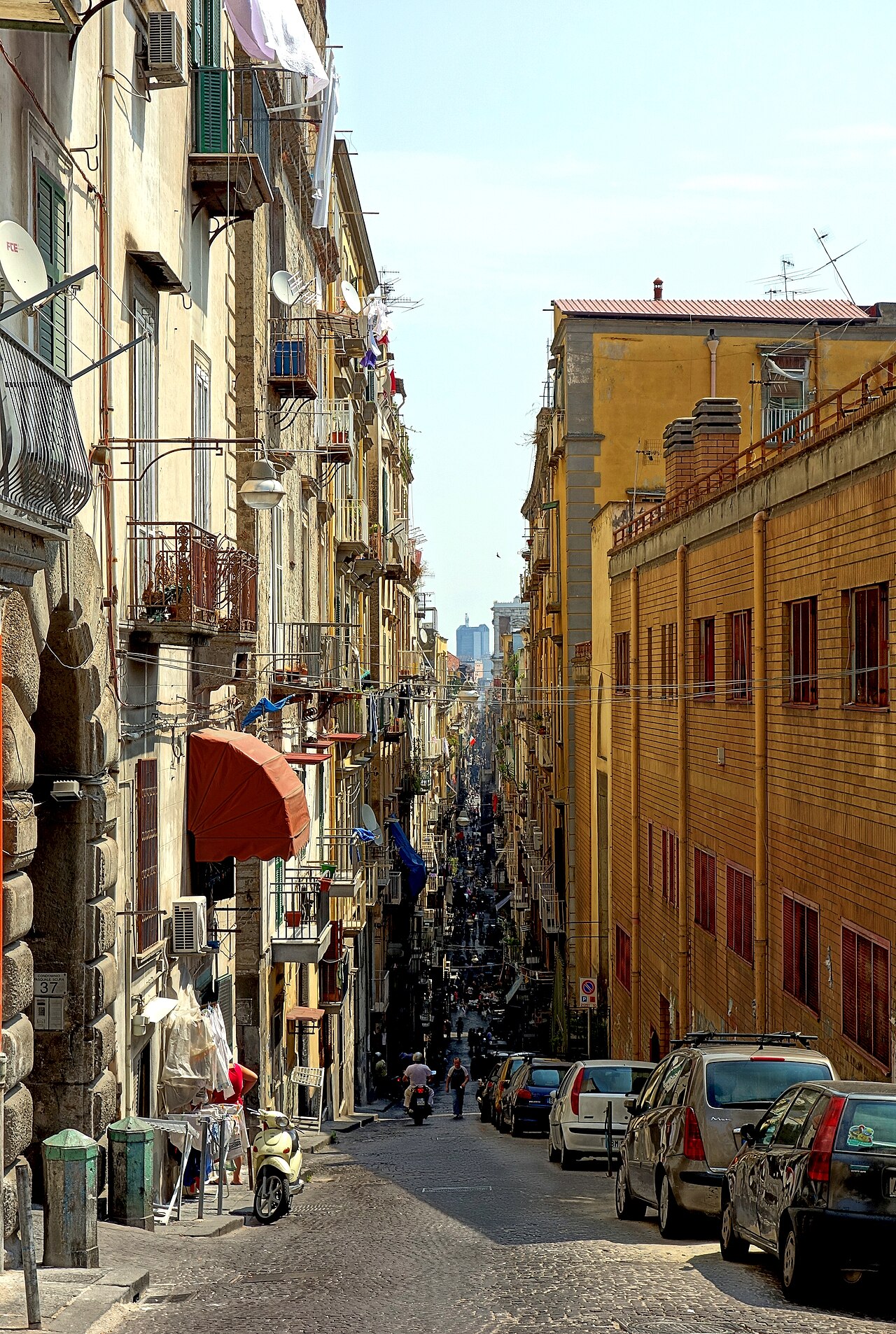
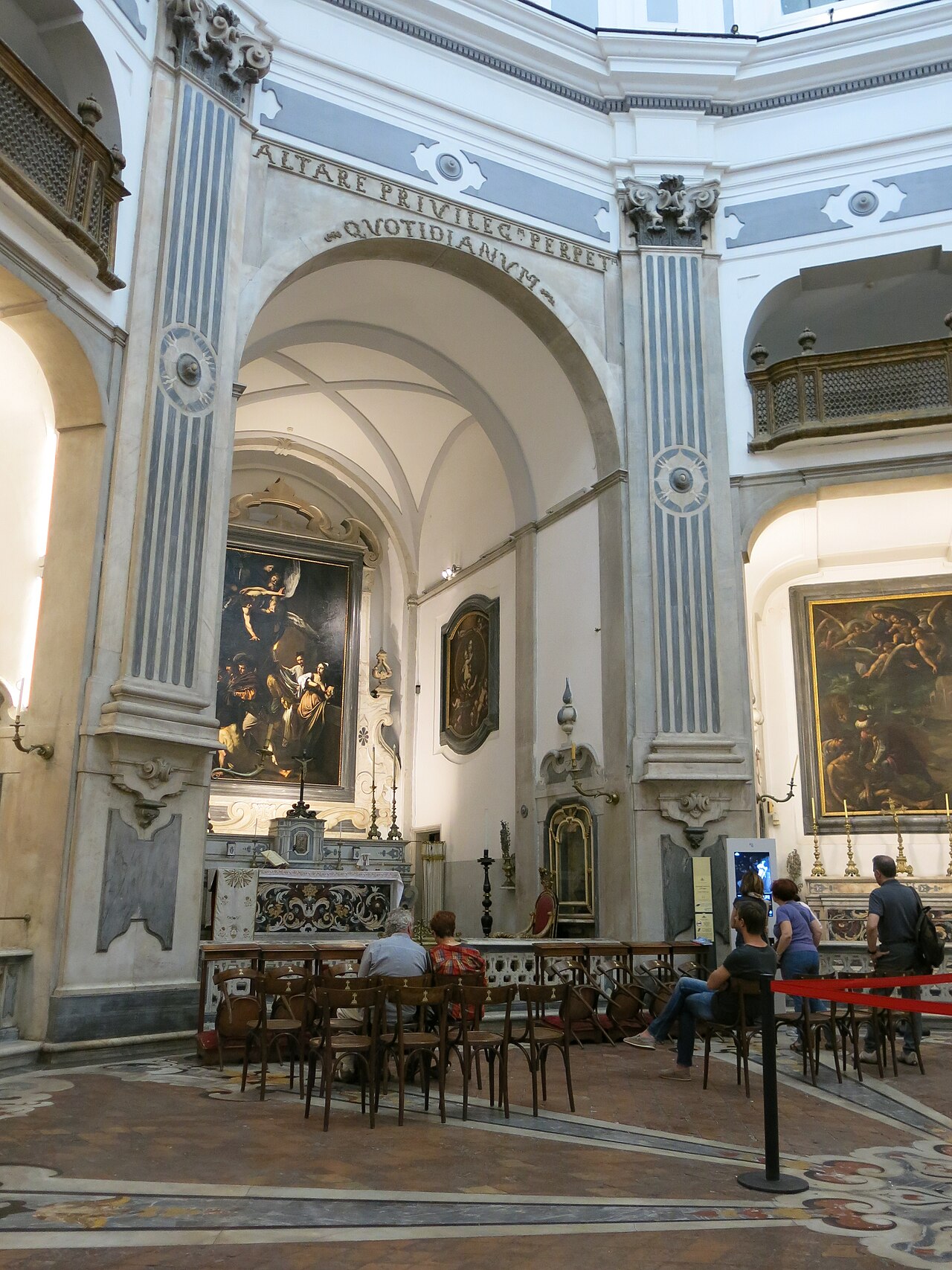
Practicals: the museum is at Via Duomo 149, at the eastern end of Via dei Tribunali, open daily with longer hours at weekends. Allow about an hour and a quarter. It pairs perfectly with the Pio Monte della Misericordia and its Caravaggio, a few steps away on Via dei Tribunali, and with lunch at one of the street's pizzerias. On the days of the blood miracle the Duomo is extremely crowded; visit the museum on another day if you want calm.
What to expect
The experience
A self-guided museum visit with audio guide through jewels, silver busts, reliquaries and vestments given to San Gennaro, linked with the Duomo and its Chapel of the Treasure.
Best time
Mornings, combined with the Duomo before churches close for lunch. Avoid the blood-miracle days if you want quiet.
How long
About an hour and a quarter, plus time in the Duomo.
Tips
Use the audio guide for the stories behind the pieces. Dress modestly for the cathedral. Walk on to the Pio Monte della Misericordia nearby.
Quick picks
- Best for
- Understanding the city's devotion to its patron saint.
- Families
- Older kids enjoy the dazzling jewels and the story of the miracle.
- Couples
- A quiet, glittering hour before pizza on Via dei Tribunali.
- Pair with
- Pio Monte della Misericordia, Spaccanapoli and the Catacombs of San Gennaro.
- Time needed
- One to two hours with the Duomo.
Good questions
What is in the Treasure of San Gennaro?+
Gifts given to the saint over seven centuries, including a famous jewel-encrusted mitre, the necklace of San Gennaro, silver busts of the city's patron saints, reliquaries, altar silver and embroidered vestments.
Who owns the treasure?+
The Deputation of the Royal Chapel of the Treasure of San Gennaro, a lay institution created after the city's vow of 1527. It is independent of both the Church and the state.
When does the blood miracle happen?+
The liquefaction is celebrated in the Duomo on the Saturday before the first Sunday of May, on 19 September and on 16 December. Expect very large crowds on those days.
Is the Duomo included?+
The cathedral itself is a working church and free to enter. The museum ticket covers the treasure collection; some areas of the Duomo, such as the archaeological zone, may have separate small fees.
How long does the visit take?+
About an hour and a quarter for the museum with the audio guide, plus half an hour or more for the Duomo and the Chapel of the Treasure.