New York City rewards travelers who plan around the patterns instead of fighting them. The city is bigger than it looks on a map, transit is excellent but unfamiliar, and tourist concentrations cluster in spots that can swallow your entire day if you let them. Three days is the minimum for a first visit; five days lets you do it justice without burning out.
When to come
Spring (mid-April through May) and fall (September through October) are the strongest windows — mild weather, the city looking its best, festivals and rooftop bars in season. Summer (July-August) is hot, humid, and crowded; many wealthy New Yorkers leave for the Hamptons, but the city is still busy with tourists. Winter (December-February) is cold and grey but offers the famous holiday season (Rockefeller tree, store windows, ice skating) — January-February is the quietest window if you don't mind the cold.
Where to stay
Stay in Manhattan if you can. Midtown (Times Square area) is touristy but central — short walks to most attractions, every subway line accessible, every restaurant chain represented. Lower Manhattan (Financial District / Tribeca / SoHo) is quieter in evenings, more authentically residential, with strong subway access. The Upper West Side is quietly residential with great restaurants and walking access to Central Park, AMNH, the Met. Brooklyn (DUMBO, Brooklyn Heights, Williamsburg) is a real-NYC experience with one subway ride to Manhattan — DUMBO and Brooklyn Heights specifically have direct skyline views.
Avoid
Outer-borough hotels far from subway lines (you'll lose hours commuting), Times Square hotels priced below your budget threshold (low-quality hostels), and hotels in the western Hudson Yards area on weekdays (corporate district, empty in evenings).
The five essentials
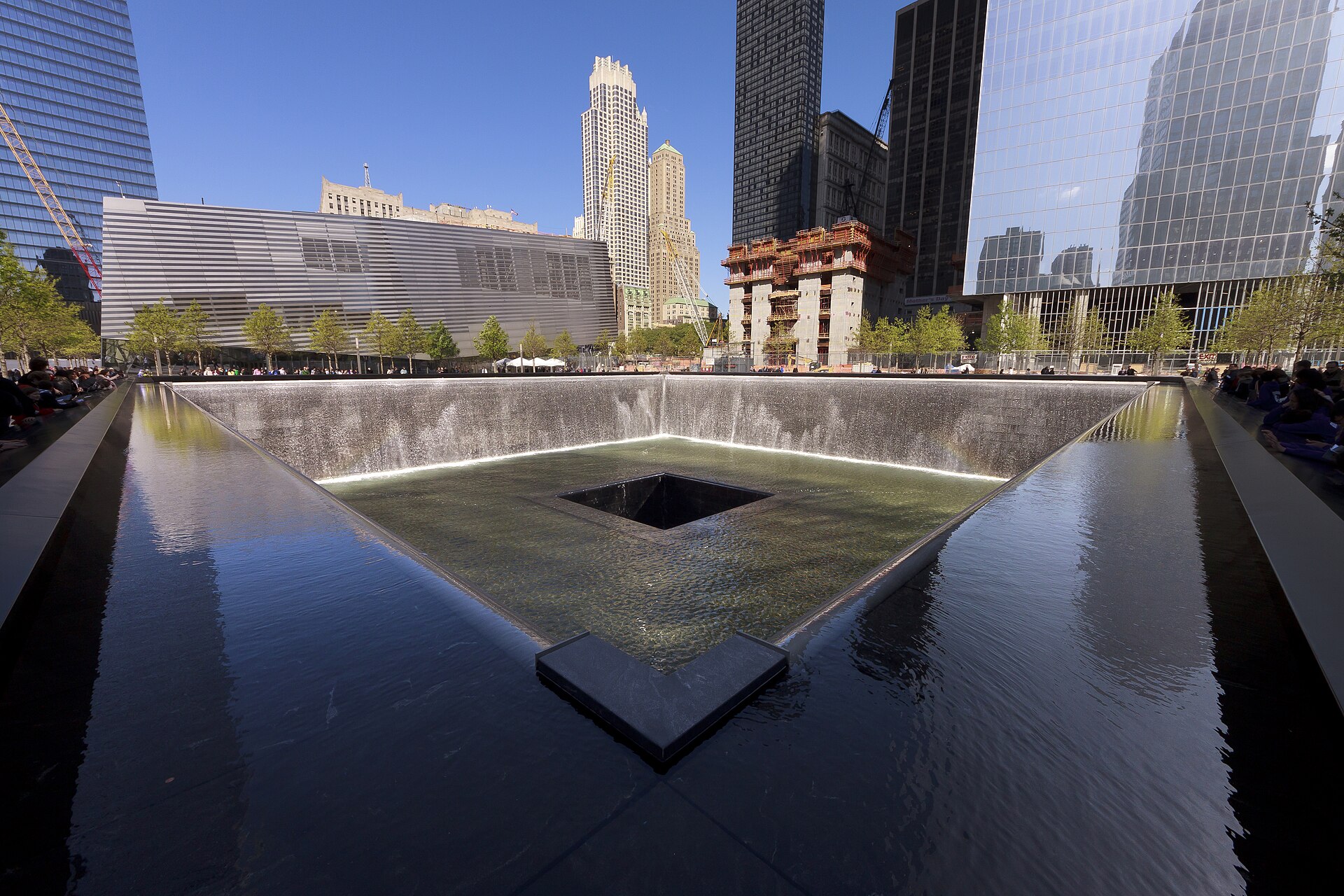
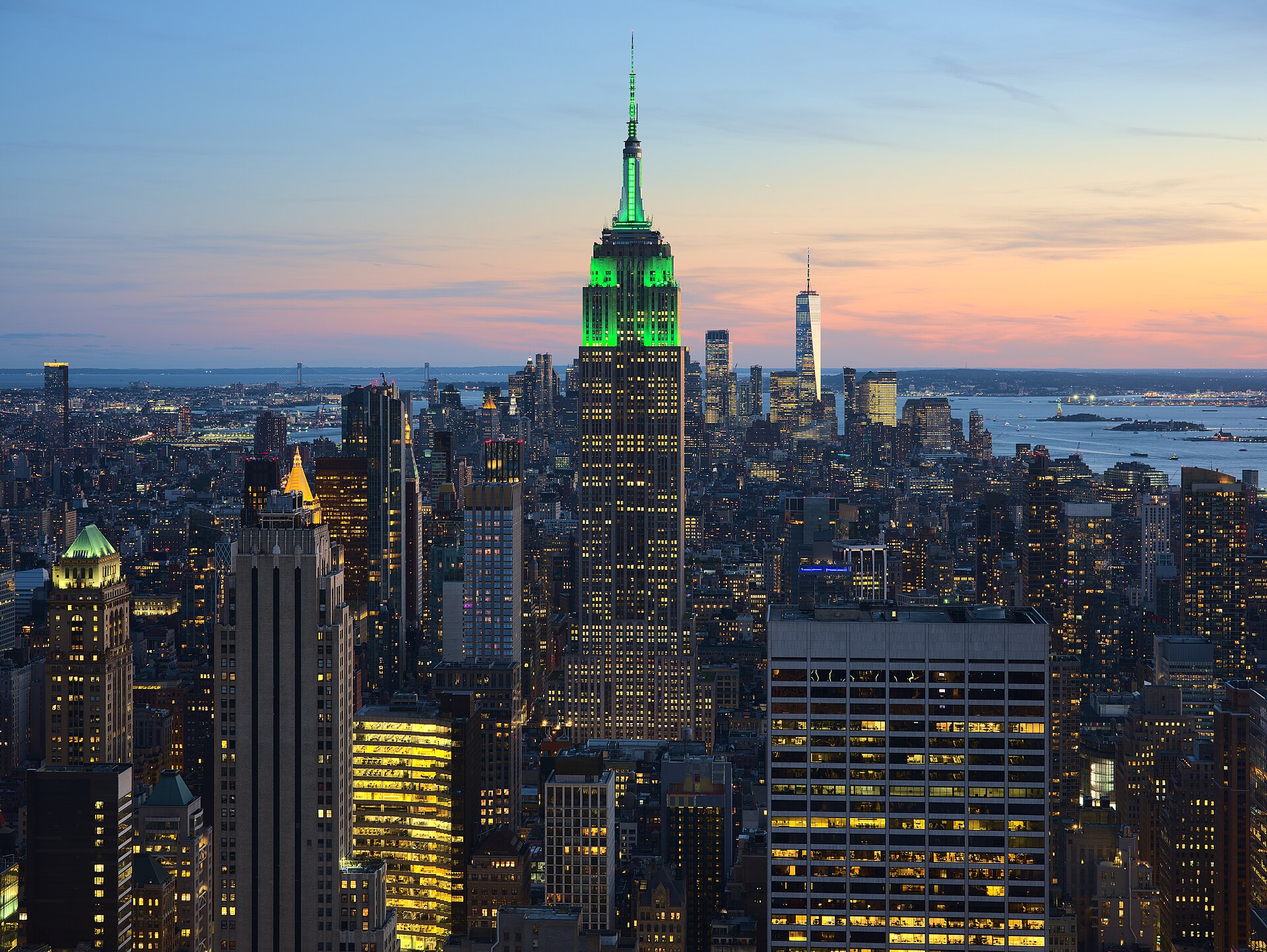
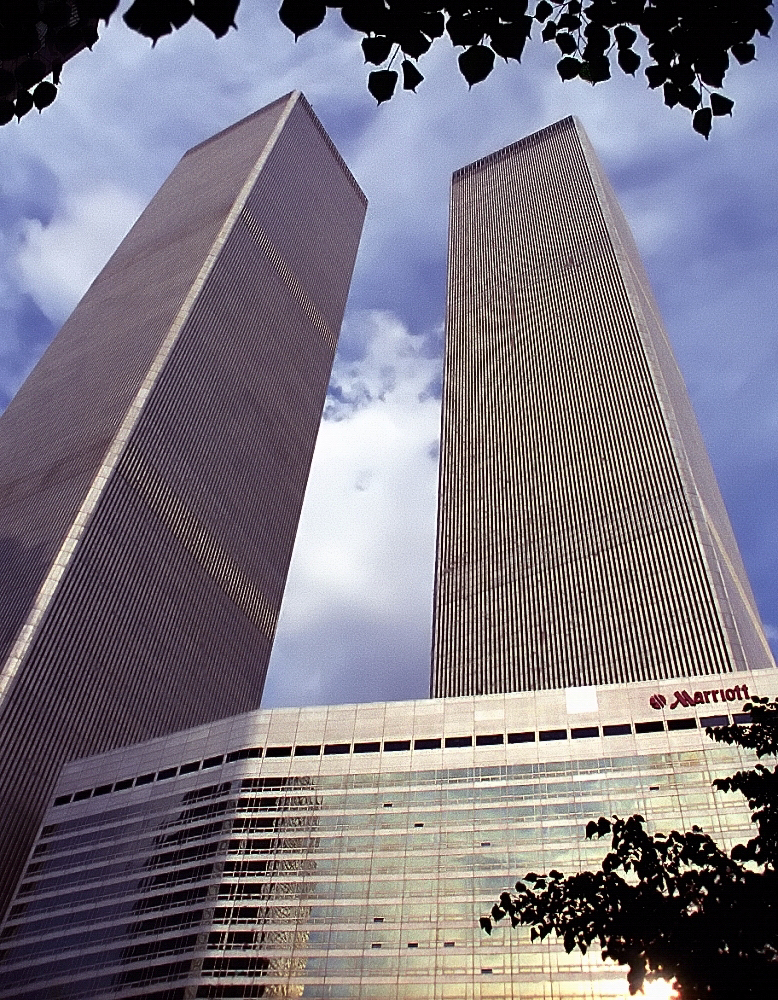
Statue of Liberty + Ellis Island (half-day, the must-do). One observation deck (pick Top of the Rock if you want the iconic skyline including Empire State in your photo; Empire State if you want to be IN the most iconic building; SUMMIT if you want an immersive experience; Edge if you want a thrill). The 9/11 Memorial & Museum (half-day, emotionally heavy but essential). One major museum (Met or MoMA based on your taste — both are world-class). One Brooklyn day (walk the Bridge, walk DUMBO, eat in Brooklyn Heights or Williamsburg).
Three things first-timers miss
Walking the Brooklyn Bridge at sunset (free, one of the world's best walks, 25 minutes one-way). Eating somewhere that's not a tourist trap — NYC's real food scene is in the neighborhoods, not the major squares. Riding the subway with confidence — it's faster than every other mode of transit and the way New Yorkers actually move.
A perfect three-day itinerary
Day one: morning Statue of Liberty + Ellis Island (book ahead). Afternoon 9/11 Memorial & Museum. Dinner in Tribeca or the Lower East Side. Day two: morning museum (Met or AMNH if with kids). Afternoon Central Park walk. Sunset Top of the Rock or Empire State. Dinner in Midtown or West Village. Day three: morning walk the Brooklyn Bridge. Lunch in DUMBO or Brooklyn Heights. Afternoon explore Williamsburg or back to Manhattan for SoHo / West Village walk. Dinner anywhere you've been wanting to try.
Five-day extensions
Add: an outer-borough food adventure (Flushing for Chinese, Astoria for Greek, Bay Ridge for Middle Eastern). A second observation deck (different vibe). A Broadway show. A specific neighborhood deep-dive (Chinatown, the Lower East Side, Harlem).